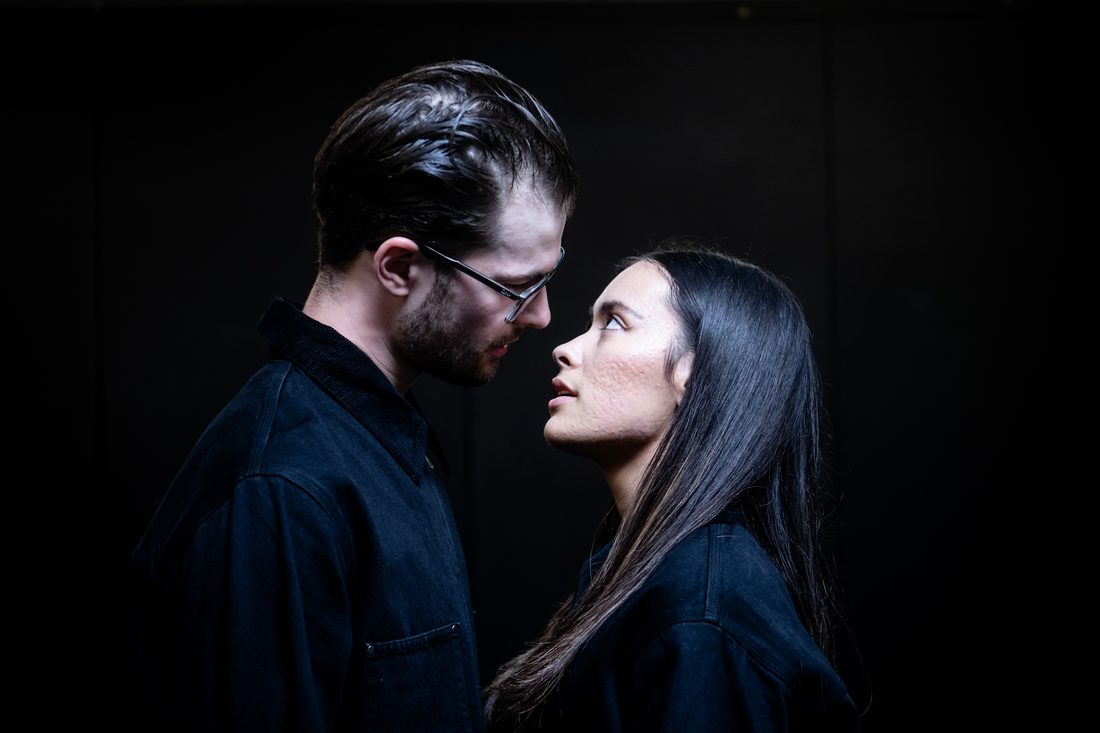
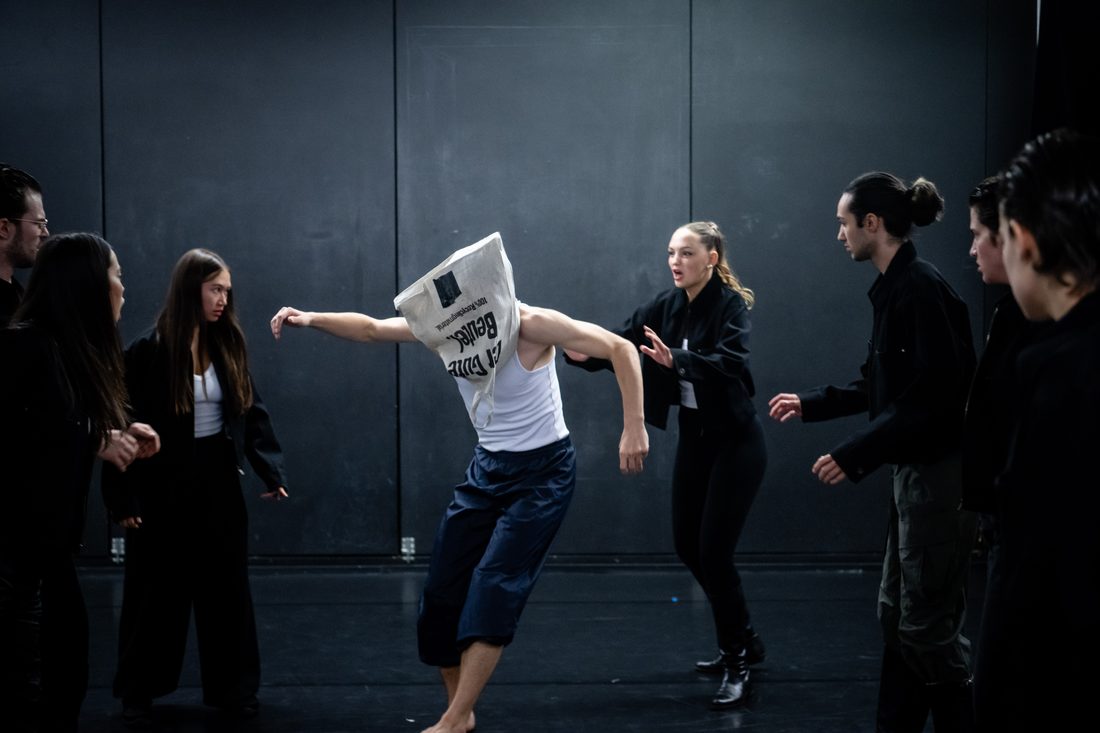
George Orwell’s legendary dystopian novel 1984 depicts life in a totalitarian surveillance state: constant monitoring, a Thought Police that punishes every sign of dissent, and the Party doctrine: “War is Peace, Freedom is Slavery, Ignorance is Strength.” Winston Smith works at the Ministry of Truth. But deep down, he begins to question the system. At the same time, he embarks on a forbidden double life with Julia, a fellow Party member. Their love becomes an act of secret resistance – until they are betrayed.
Together with students from the Berlin University of the Arts (UdK), composer Rui Rodrigues and writer John von Düffel transpose Orwell’s nightmarish world into the 21st century. The portrayal of a struggle against a system that violently forces thought, language and reality into conformity has lost none of its relevance. What is new, however, is the perspective of a generation that has grown up grappling with questions of identity, discrimination and what can still be considered real.
The expanded perspective brings the subject matter into current debates – a collaborative process, as director Mathias Noack explains: “In the first act, John von Düffel’s adaptation follows Orwell’s novel. It focuses on Winston and his love for Julia, which gives them the courage to rebel against the system. After discussions with our students, we felt the need to explore a female perspective on this love and its consequences. And so, in the second act, we tell Julia’s story in an entirely new way. ‘When they torture you, you confess to anything. It’s not about confessing – confession isn’t betrayal. If they make you stop loving, that would be real betrayal.’ Winston is broken by the system relatively quickly under torture. But Julia’s love cannot be crushed! Or can it?”
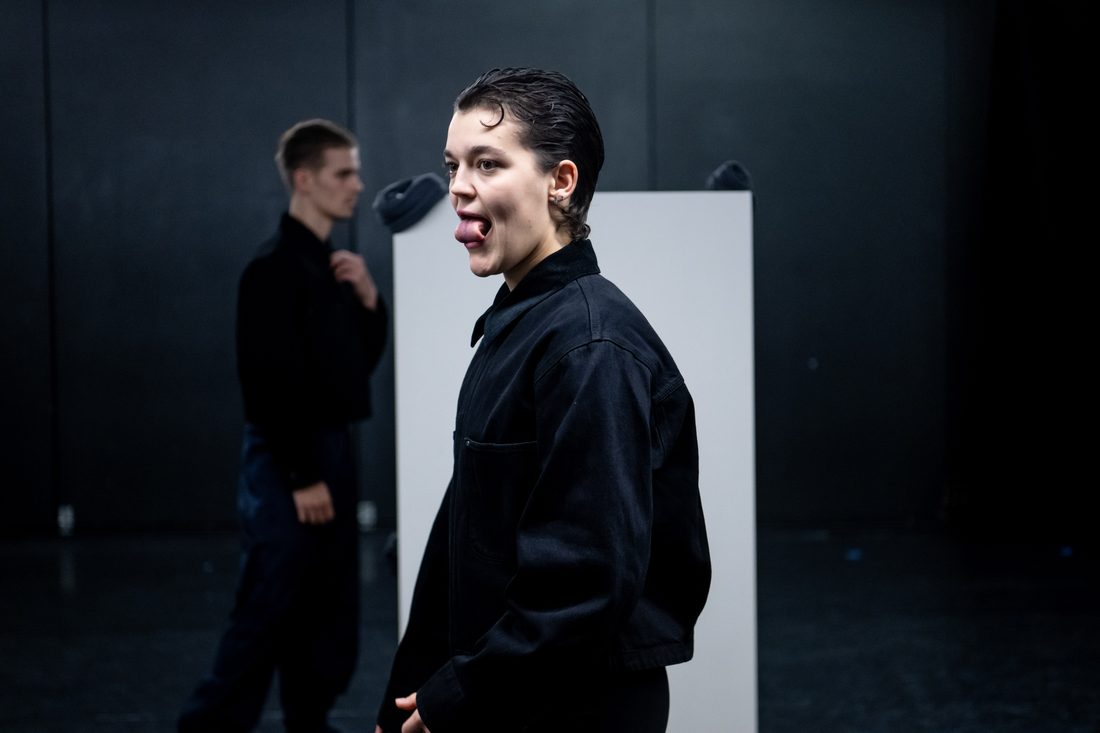
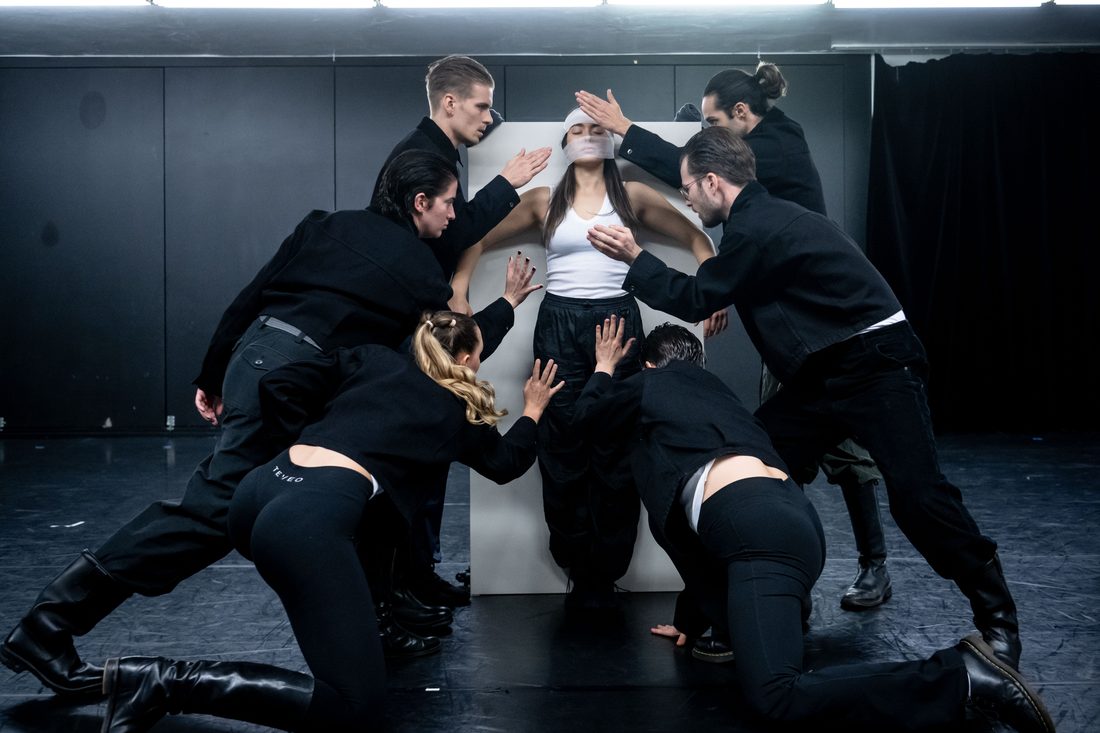
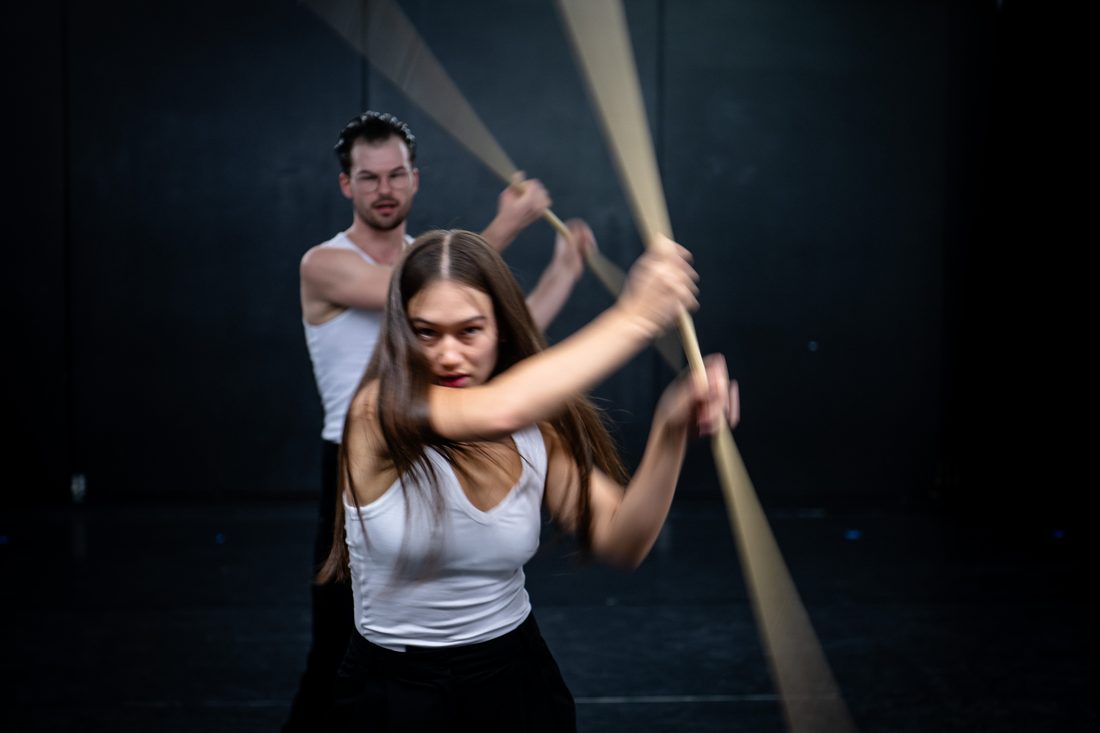
With 1984, the fourth-year students of the Musical/Show programme at the Berlin University of the Arts, led by Mathias Noack and choreographer Melissa King, bring a stage production in the tradition of the Dark Musical to life: dark and dystopian in both subject matter and aesthetics, yet distinctly rooted in pop culture, much like Sweeney Todd. The fact that Orwell’s novel is once again regarded as an urgent warning makes it all the more important to revisit this material on stage, especially through the eyes of a younger generation.