Director, actress, and classically trained musician Anke Retzlaff – acclaimed by cinema, television, and theater alike – cuts a path through the thicket of audience voices together with her team. What is it about? The primal experience that connects us all: birth – the most intensely intimate and at the same time socially monitored moment of life.
NO Interview
5 Questions to Anke Retzlaff
NO
Anke, how would you describe your artistic identity?
Anke Retzlaff
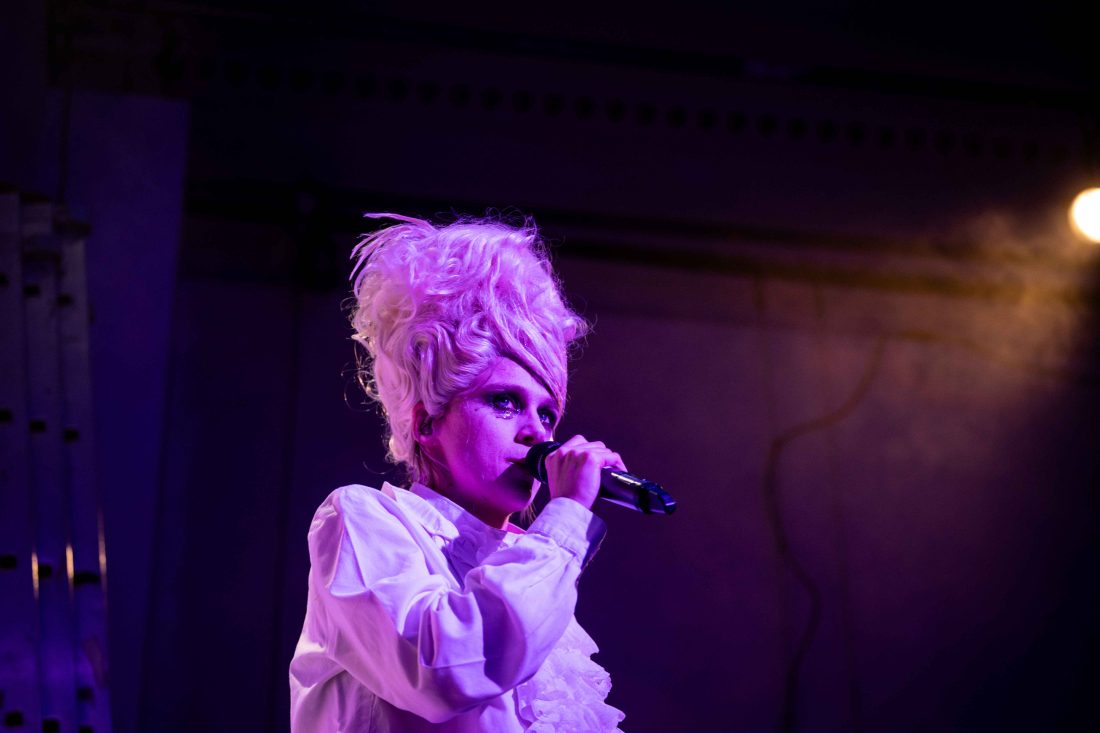
I studied acting and have been working for a long time as an actress in film and television. Over time, I also started directing myself. Also, I have a background in classical musical education, and music has never quiet let go of me – on the contrary, it has been playing an increasingly important role in my recent projects. From this emerged this impulse to create my own performances and to negotiate my own themes on stage. This has become my way of bringing all of this together: my work is a search for the greatest possible hybrid of these narrative forms.
NO
BIRTH FACTORY deals with the themes of pregnancy and birth. What interested you about this?
AR
The experiences people have on the path toward or during pregnancy and birth are so intimate and existential. Yet many of these emotionally and physically challenging processes are taboo, associated with shame, fear, judgment, or exclusion, and take place in secrecy – which can lead to isolation and suffering. I long for a fearless, diverse, and at the same time much more attentive culture of exchange about this complex subject, especially about those experiences that often remain unheard. For me, BIRTH FACTORY serves as an artistic counterpoint to this silence.
NO
For this, you actually let the voices of those affected speak for themselves.
AR
My artistic approach is to bring stories from the city, from society, onto the stage – without having them performed by non-professional actors or recounted by me as a performer. I want to hear the voice of the person who truly experienced it. At the beginning, we tried to gather experiences as broadly as possible, which in itself was a deeply moving process: people we spoke with told others in their circles about it, and suddenly strangers began reaching out to me who also wanted to share their stories – often for the very first time. I’m very grateful for that.
But the search continues. In the future, the idea of BIRTH FACTORY is also to collect voices from the audience beforehand – to let the voices of the people in the room flow into the performance.
NO
How did you manage to bring these personal and diverse experiences and voices together as a piece for the stage?
AR
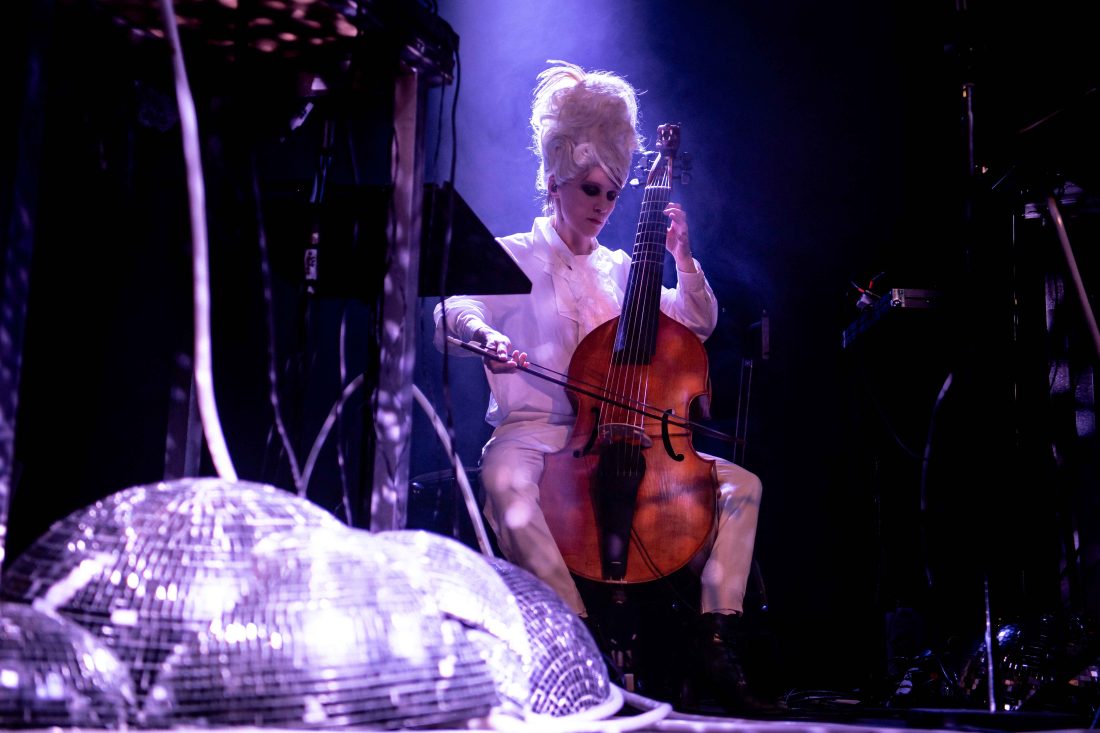
The author Kathrin Liess developed the text by incorporating a mythological figure: Lilith, who was cast out of paradise by God because she refused to lie under Adam during sex and was condemned to give birth to 100 children every day – meaning she has to relive every experience of birth in her own body again and again. And as a performer, I also become a kind of medium through which all these experiences are born.
At the same time, musically so much is offered that you are placed into a kind of state of intoxication or trance. This creates a space in which judgment or condemnation becomes impossible, because we are not in our heads – something is pounding in our bellies.
NO
In BIRTH FACTORY, viola da gamba, lute, and harpsichord with synthesizers meet musically. What is the idea behind this unusual instrumentation?
GM
We chose Baroque instruments because giving birth is, on the one hand, something so primal – hence the turn toward the past. On the other hand, the piece is about the here and now, the shared moment, the people in the room. It was important to us that the music becomes physically tangible. The bass of the electronic music can be felt in the belly – you might get the sense that something is beating inside you too: a heart, a story that wants to be told.
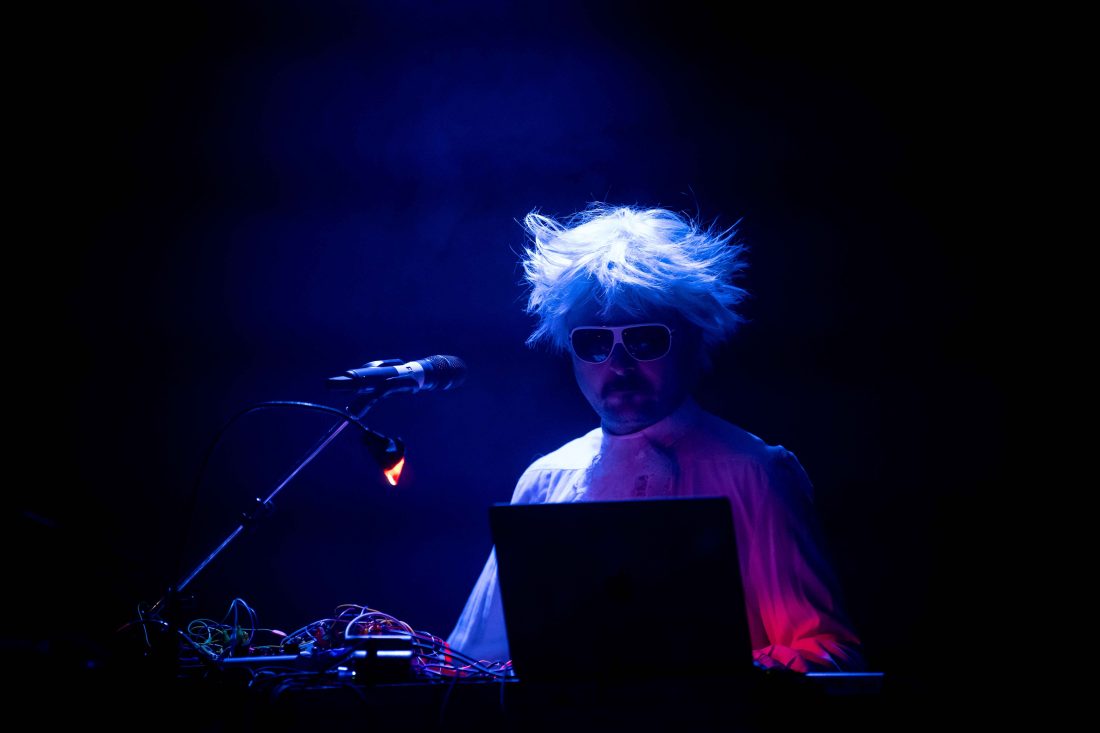
This is only possible thanks to these fantastic musicians, Peter Florian Berndt and Dominik Tremel: they connect the Baroque instruments and the texts with electronic music. Even though the synthesizers are so complex that the performance can hardly be reproduced in exactly the same way, they manage every time to make everything interlock and set the heart, the stomach, the whole body vibrating.
Team
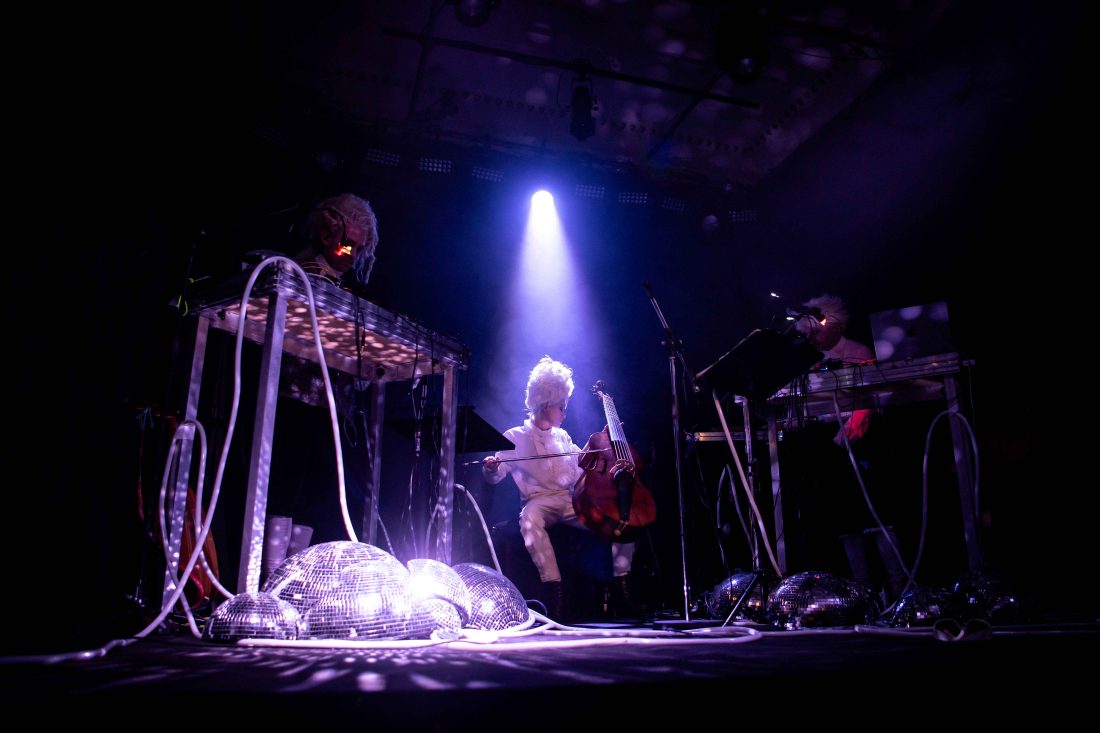
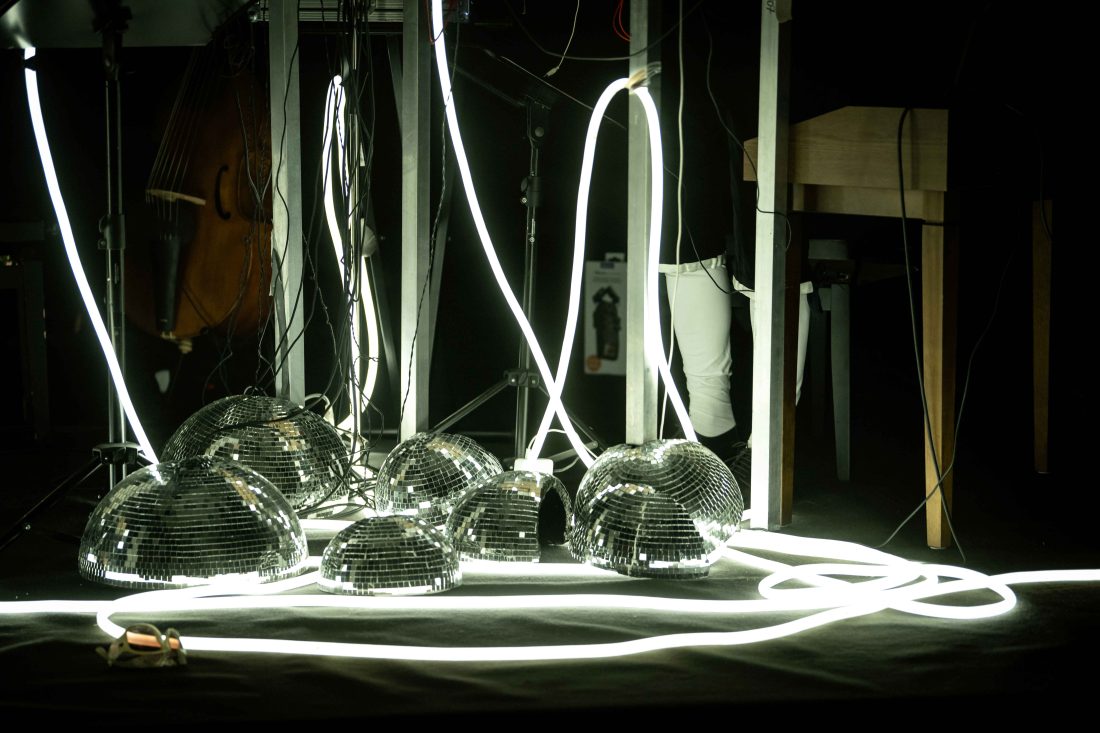
DIRECTION Anke Retzlaff TEXT Kathrin Liess DRAMATURGY Anke Retzlaff, Kathrin Liess, Caspar Weimann, Julia Jordà Stoppelhaar AWARENESS Caspar Weimann INSTALLATION Philippe Waldecker PERFORMANCE, VIOLA DA GAMBA Anke Retzlaff LUTE, ELECTRONICS Peter Florian Berndt HARPSICORD, ELEKTRONICS Dominik Tremel PRODUCTION what if kollektiv
LIGHT Ralf Arndt SOUND Ronald Davila, Klim Losovsky STAGE MANAGEMENT Sophie Reavley, Regina Triebel SERVICE MANAGEMENT Vanda Hehr
BIOGRAphies
Anke Retzlaff | Direction, Performance, Viola da Gamba
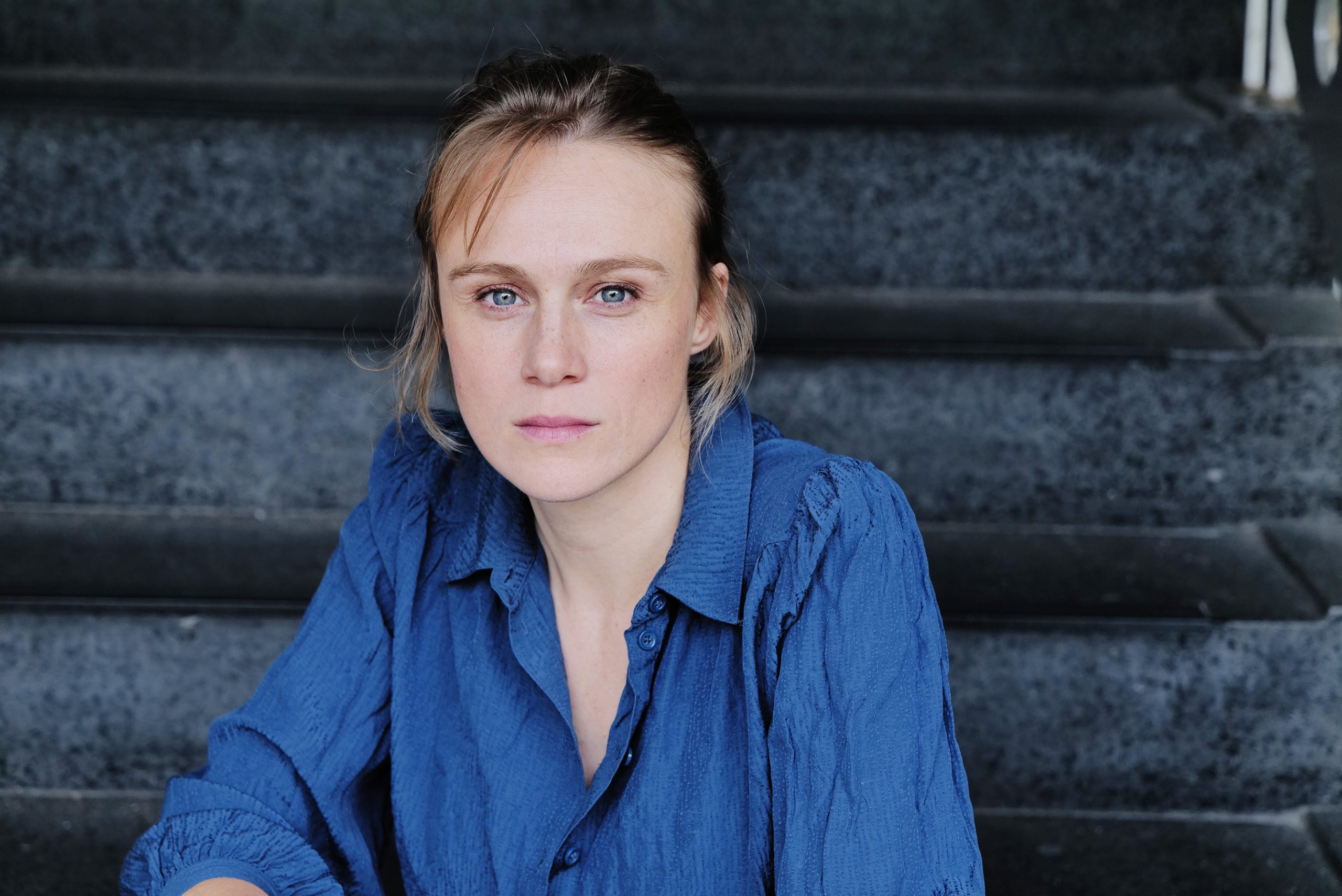
Anke Retzlaff is an actress, director, and musician. In her performances, she combines these different disciplines into a highly personal artistic signature. Her work is characterized by a high degree of interdisciplinarity and poetic expression, and it tours internationally at major music and theater festivals. In 2021, she was named “Best Emerging Artist” by Theater heute. For her role in the feature film Puppe, she was nominated for the New Faces Award as “Best Emerging Actress,” and in 2024 she received the Woody Award for the “most convincing portrayal of a fictional character” in the film DONNERSTAG.
Kathrin Liess | Text, Dramaturgy
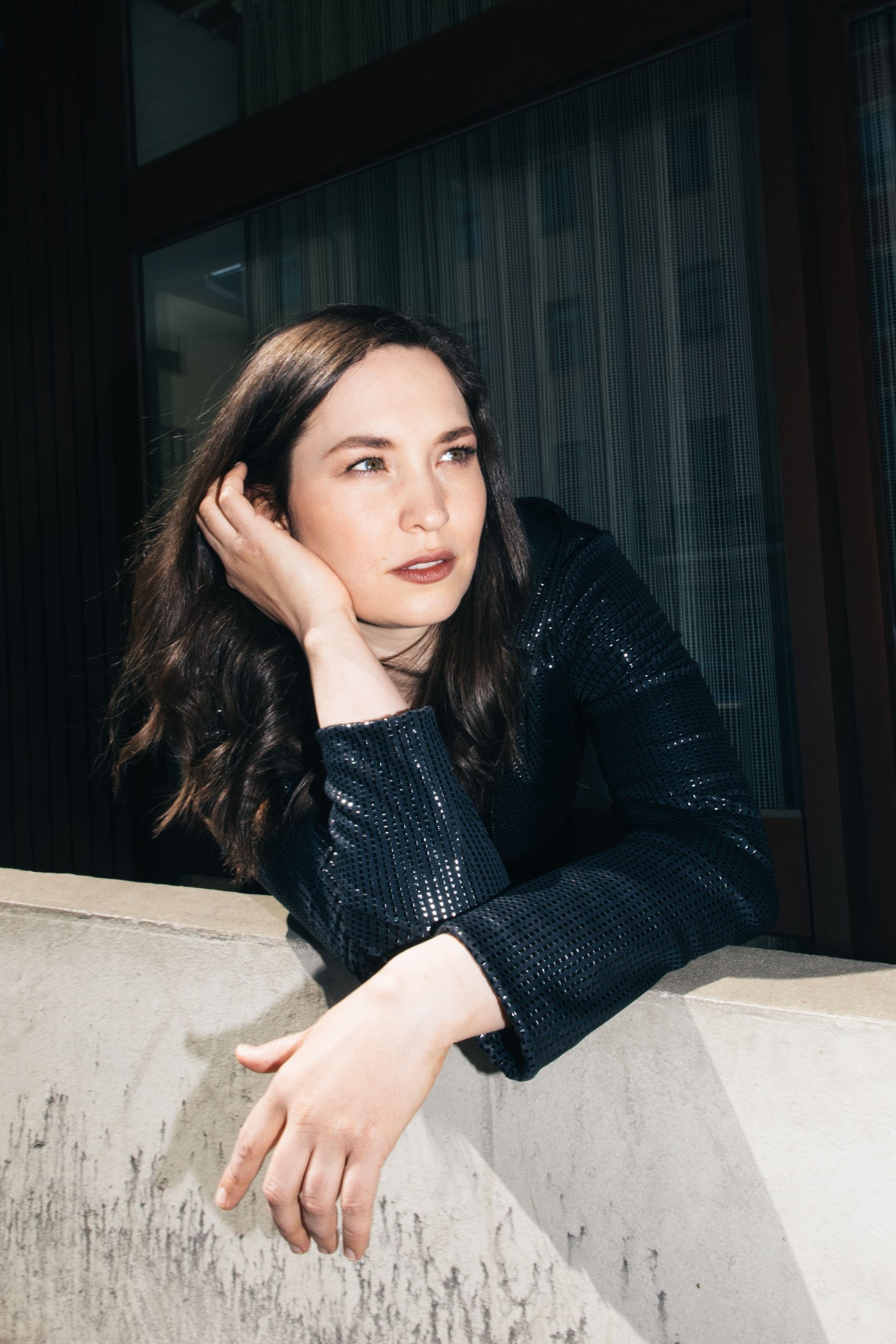
Kathrin K. Liess is a writer and translator. In her texts, she is always searching for the poetry in everyday life, untold stories, and often-overlooked perspectives. Her writing consists of multi-perspective, rhythmical language compositions, usually centered around complex female characters. Liess studied German and English studies in Graz as well as at the University of Bristol, England. She has translated works for, among others, Schauspielhaus Graz, Staatstheater Mainz, and the Ruhrtriennale. Her readings have taken her to, among other places, Literaturhaus Graz, Forum Stadtpark, and Lettrétage Berlin. Liess primarily writes for the theater. Her plays have premiered at, among others, Staatstheater Mainz, Staatstheater Kassel, and at the Schall und Rausch festival of the Komische Oper Berlin, and have been invited to numerous festivals. Together with the writers’ collective “Die Plattform,” she develops radio plays, audio walks, and multimedia reading formats. She is also a member of the what if collective.
Dominik Tremel | Cembalo, Elektronik

Dominik Tremel is a musician. His instruments include piano, synthesizers, laboratory equipment, and electronic scrap. After studying conducting and music education at the University of Music Würzburg (HfM Würzburg), he initially worked as a répétiteur with conducting duties. Since 2017, he has been working freelance as a composer and live musician in theaters and in the field of experimental electroacoustic music, collaborating with, among others, Theater Gießen, Theater Kiel, Theater Regensburg, the Wildwuchstheater Bamberg, and is a member of the ensemble Ernst von Leben. He maintains a close collaboration with the director Anaïs Durand-Mauptit.
In 2023, three of Dominik’s pieces for symphony orchestra and live electronics were premiered by the Saarland State Orchestra. In 2024, Bericht einer Zeitzeugin for narrator, string quartet, and electronics (text by Felix Forsbach) premiered at the festival Augustusburg 1933–1945.
Peter Florian Berndt | Laute, Elektronik
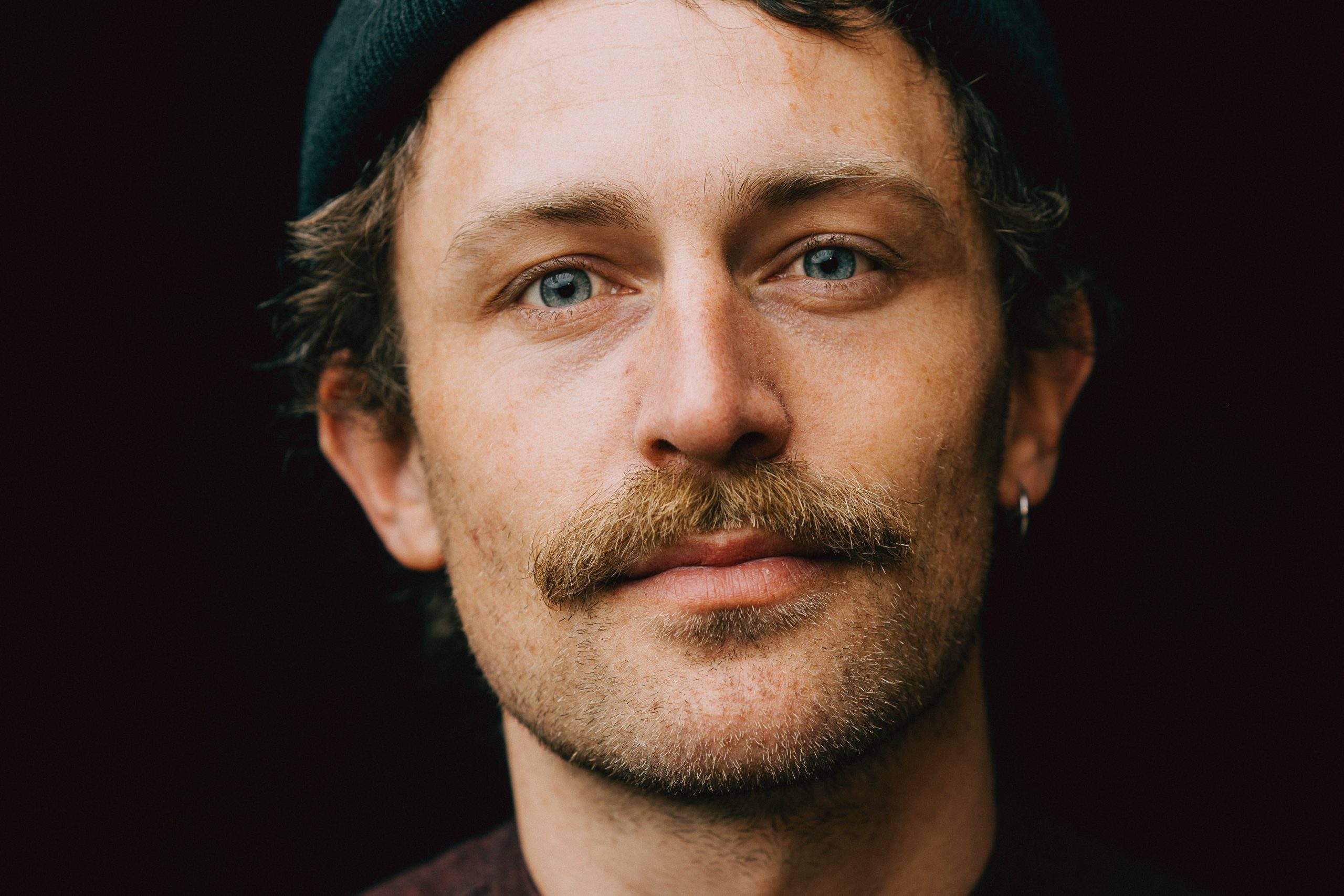
Peter Florian Berndt is a freelance musician, sound designer, and performer. Most recently, he has worked as a theater musician at various stages, including Düsseldorfer Schauspielhaus and Theater Plauen-Zwickau. With the independent productions Dream Machine and Send Me Up!, he tours internationally. He is based in Bamberg, where he is a permanent member of the improvisational theater ensemble Ernst von Leben.