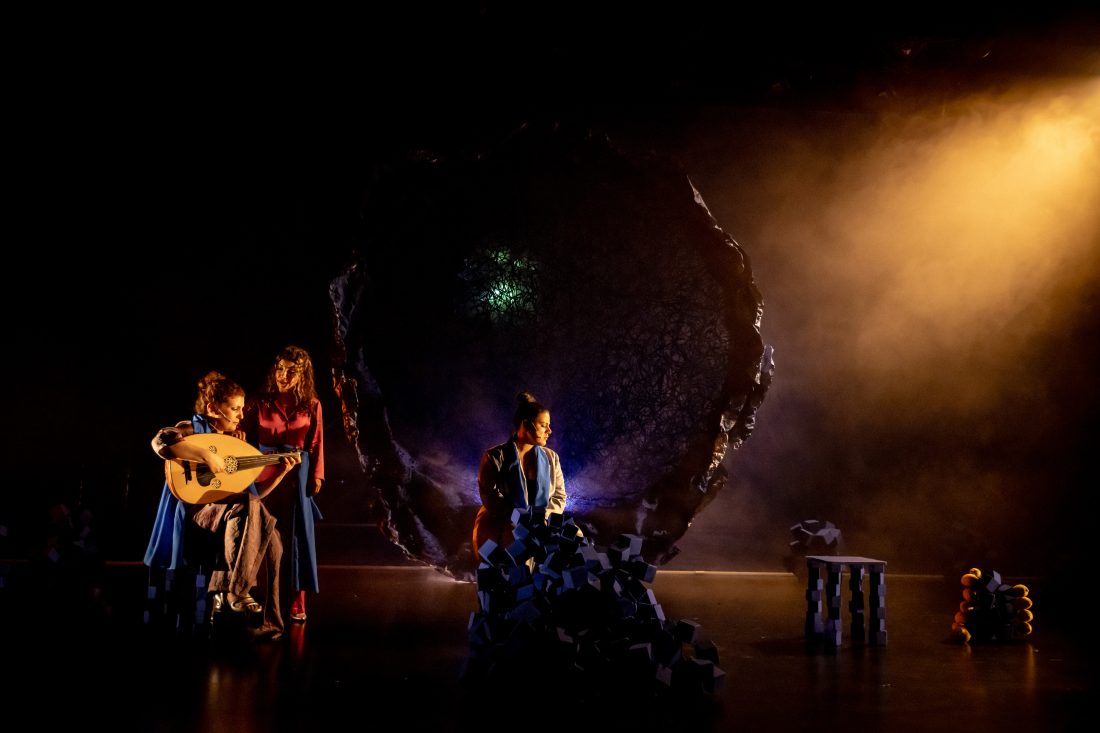
Still little known in the Western world, the singer Umm Kulthum – often referred to as the “Callas of Egypt” – is one of the greatest icons of classical Arabic music. Not only is she an example of a disadvantaged young woman who made it to the top within a patriarchally dominated artistic field, she also became a model of change and empowerment for women across the globe. Umm Kulthum’s influence, which helped inspire genuine social change and a sense of togetherness, extended into the political sphere: she engaged in vibrant solidarity and influential public actions, advocating for a society in which everyone can participate – just as in her songs.
Today, it seems more important than ever to activate the boundary-crossing power of this exceptional artist and to bring people in Berlin-Neukölln into a trance-like state of collective ecstasy. طرب / TARAB creates a collage of diverse Umm Kulthum songs for three singer-performers accompanied by the Berlin-based ensemble transmusica. A performance that weaves music through through powerful scenography, movement and sensual dramatic languages.
حتى الآن مازال العالم الغربي لا يعرف الكثير عن المطربة أم كلثوم – والتي كثيرا ما أُطلق عليها في الغرب ”ماريا كالاس مصر“- وهي واحدة من أعظم أيقونات الموسيقى العربية الكلاسيكية على الإطلاق. فهي ليست فقط مثالا للمرأة التي حققت صعودا اجتماعيا واقتصاديا بامتياز داخل وسط فني يسيطر عليه الفكر الأبوي، لكنها آصبحت أيضا نموذجا للتغيير والتمكين للنساء عبر العالم. لقد كانت أم كلثوم ملهمة للتغيير الاجتماعي وللإحساس بالروح الجمعية، كما امتد تأثيرها نحو الدوائر السياسية حيث انخرطت في التضامن الوطني وفي النشاط العام قوي التأثير، لكي تدافع عن مجتمع يمكن للجميع فيه أن يشارك، تماما مثلما كانت أغانيها مجالا يتسع لجميع فئات المجتمع وطبقاته
اليوم يبدو لنا ضروريا أكثر من أي وقت مضى أن نحيي أثر تلك الفنانة العابرة للحدود، وأن نقدم لجمهور برلين ونويكولن حالة هي أقرب إلى النشوة الجماعية. يخلق ”طرب“ كولاج من أغنيات متنوعة لأم كلثوم يؤديها ثلاثي من المغنيات بمصاحبة الإنسامبل الموسيقي البرليني ”ترانسموزيكا“. إنه عرض يغزل الموسيقى مع السينوغرافيا المؤثرة والحركة واللغات الدرامية الحسية
Introduction
THE FUNDAMENT ON WHICH WE ALL STAND ON
Umm Kulthum’s Songs at the Neuköllner Oper
By Dennis Depta, dramaturg at the Neuköllner Oper and of طرب / TARAB
Forget the Beatles!
At the end of the first season under the artistic direction of Rainer Simon at the Neuköllner Oper, something truly special was to take place. Something that takes the theatre’s name literally: being an opera house for Neukölln, programming primarily for the residents of this district. طرب / TARAB is an invitation, a gift to Neukölln. But of course, this evening also opens up a new universe for people who do not yet know Umm Kulthum.
Umm Kulthum’s songs were already there when the Neuköllner Oper opened its doors in the second half of the 20th century. The icon is omnipresent in the Arab world, especially since Radio Cairo began broadcasting in 1934 and Umm Kulthum sang live every Thursday evening for two hours into the ether and directly into people’s hearts. Her music is unique, created from nothing by her and the composers and lyricists around her. This music did not exist before, and after her funeral in 1974 it never existed again. Even today, we still hear the “original” singing up and down Karl-Marx-Straße—from kebab shops, grocery stores, clothing stores—somewhere between Arabic classical music, live improvisation, troubadour song, and pop.
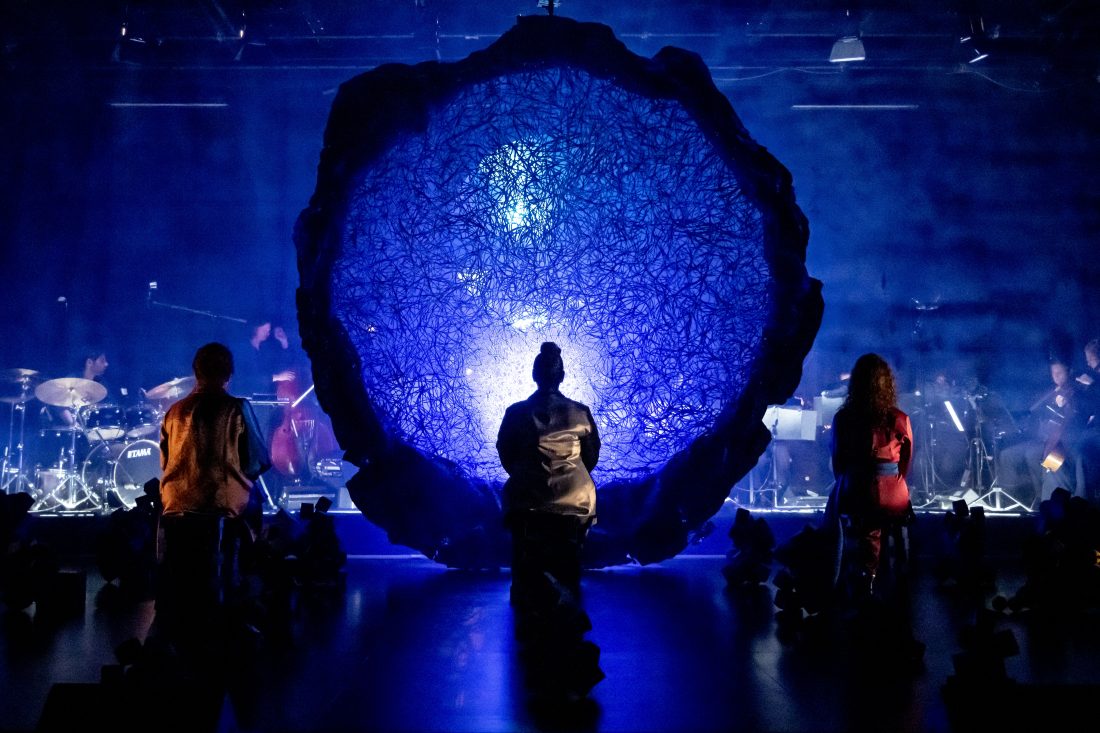
“Her music is there. You cannot avoid it. It is the foundation on which we all stand,” says Nesrine Belmokh, cellist and singer, but above all composer of طرب / TARAB. For this production she has brought Umm Kulthum into the 21st century—with drums, bass, keys, ney, clarinet, oud, Arabic violin, and string quartet. The Berlin ensemble transmusica no longer follows the melody melodically but provides harmony and strong rhythm for the recomposition. The three voices of Mireille Bittar, Rita El-Achkar, and Waed Bouhassoun can now directly sit on top of the verticalized musical structure. And so a machine starts rolling.
Belmokh, who had to meticulously notate Umm Kulthum’s score note by note, discovered how precisely everything had been constructed—the smallest ornamentation. So much for improvisation! About 10 of Umm Kulthum’s roughly 300 songs were woven into the 80-minute collage طرب / TARAB, directed by Sjaron Minailo as a choreographed movement piece. Hits such as Enta Omri or Alf Leila wa Leila are performed, but also lesser-known pieces worth discovering, such as the prayer-like Bi Radek. There is also a song by Nesrine herself: Leïla from the 2024 album Kan Ya Makan, inspired by the “Callas of Egypt.” The selection of songs and lyrics was made jointly by director and composer and embedded into the evening’s poetic dramaturgy.
This is not a biopic!
Umm Kulthum succeeded in transporting her listeners into another state of being through her voice alone. “Tarab” is the Arabic term for this state. It describes a collective ecstasy, a losing oneself in the beauty of art. Her live songs often lasted between 45 and 60 minutes. She worked with improvised extensions, tension-building delays, and extreme repetition. The orchestra followed her melodic lead. No two concerts were alike. And audiences would faint in waves, becoming overwhelmed and transported.
Umm Kulthum’s songs are the material of this production, which now attempts to generate ecstasy through theatrical means. This is therefore not a biopic! And yet every note carries the immense legacy of the Egyptian singer. A woman who, as a child, disguised herself as a boy to attend Quran lessons, and later used elements of Quranic recitation in her vocal ornamentation, thereby redrawing the boundaries of 20th-century music. A story of a woman who made it all the way up in a patriarchal system. Who jazzed however she wanted. Umm Kulthum remains a role model who still electrifies and empowers.
And yet at some point I hear that first small “but”—for the first time in months in Neukölln. Singer Rita El-Achkar says: “I felt a bit distant to Umm Kulthum. Nesrine is giving Umm Kulthum’s songs a second chance for a younger generation to rediscover the beauty of it.” So even the icon is being reshaped in order to transfer her art into the 21st century and bring it back to life. This is material recognition and reactivation in the best Brechtian sense—opposite of museum-like art. Recomposition galore.
A glimpse into other worlds
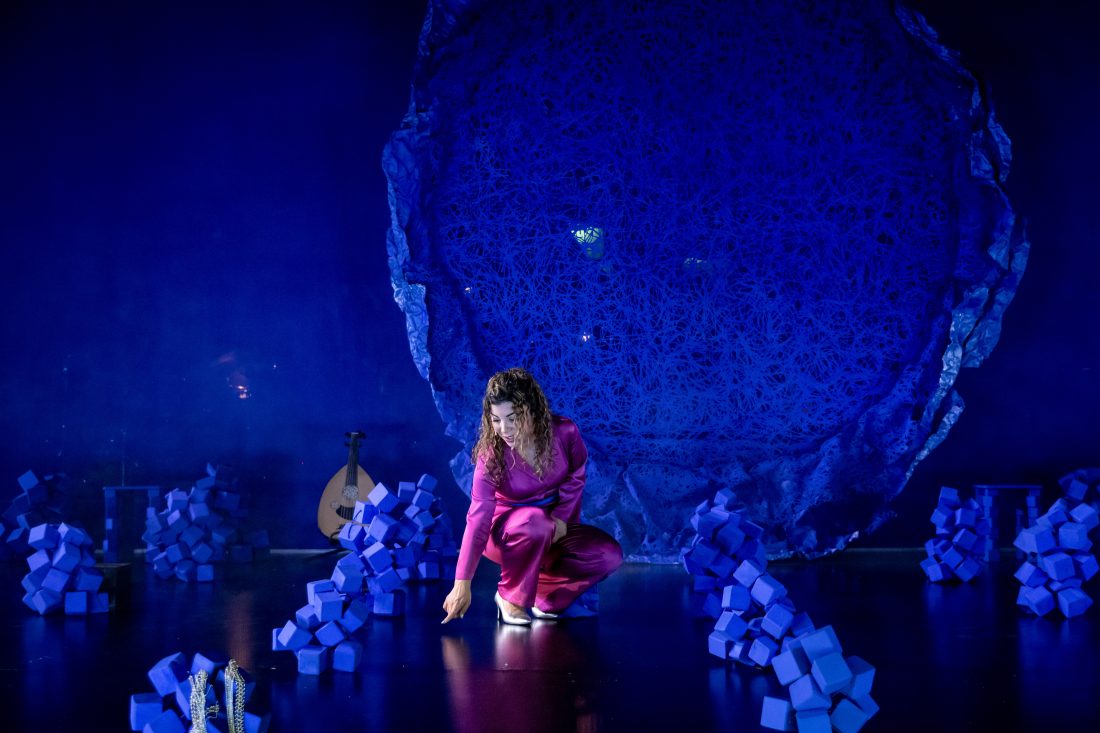
In Umm Kulthum’s songs, everything revolves around L-O-V-E. Every song is a fragment of heartbreak. They speak of romantic relationships, but also much more broadly about human touch, injury, and the experiences that follow. These relationships are deeply human and part of every listener’s self-discovery. “Being abandoned by you is better than being abandoned by myself,” Umm Kulthum sings. And at the Neukölln Opera, it is Mireille Bittar, Rita El-Achkar, and Waed Bouhassoun who, through singing, relive their own life stages of affection, love, and farewell. Umm Kulthum has also shaped and accompanied their lives—first in Syria and Egypt, later in the Netherlands, France, and Germany. The whole piece is meditative and opens up many layers of meaning and association. This can be related both to the performers’ lives and to one’s own life—the missed opportunities, the chosen paths. There is much to interpret, yet not everything can be decoded. Some viewers may find this frustrating. But they do not have to, because the deep blue stage design by Shahrzad Rahmani conveys calm, trust, and clarity amidst all the intersecting paths, the never-ending threads, the building blocks that constantly recombine in different ways but never the same. Our lives, like this stage space, are never finished, even though we keep working on them endlessly. Even the blue gate at the center of the stage has seen much, and yet is still not fully woven. A little light still passes through. And so it remains a gateway to the sphere of music that the ensemble transmusica sends from the back of the stage, expanding our lives with this dimension. And at the same time, it remains a view into other worlds into which this music can lead us.
Poems
طرب / TARAB – Poems
By Nora Amin, performer, choreographer, author, theatre director, novelist, poet, as well as scholar, researcher, lecturer, and dramaturg of طرب / TARAB.
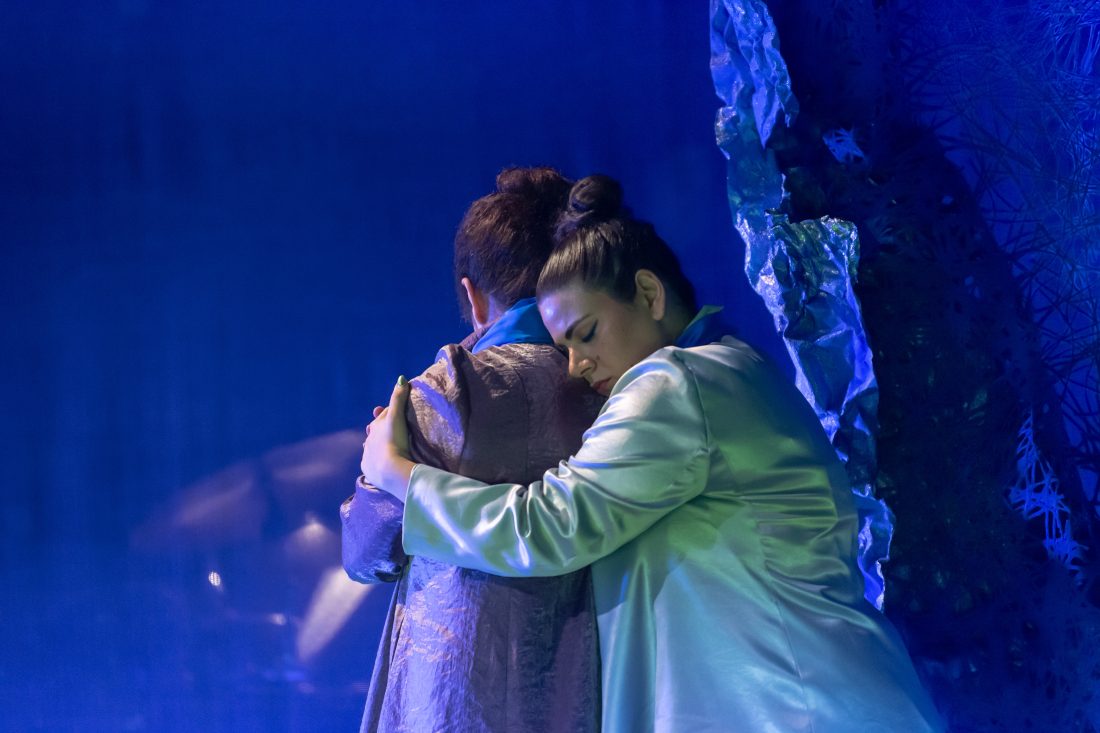
The following poems were created by author Nora Amin who wrote them in original Arabic, and then re-wrote them in original English, as they represent her vision of the songs of Umm Kulthum in TARAB being all a connected thread of experiences within a path of self-exploration, transformation and transcendence in a Sufi sense. The German translation was prepared by Amin together with Dennis Depta based on the English poems.
Each of the following poems – projected during the performance as a dramatic and narrative element – compose one step on the way towards transcendence, and may be even ecstasy where love, in its largest holistic sense, is a supreme act of being.
First Step
دع صوتي يُبلِغ مقصدي ومناي
Let my voice convey my purpose and my longing.
Lasst meine Stimme meine Absicht und meine Sehnsucht zum Ausdruck bringen.
Second Step
بينما يصبح الحب جفاء
يتحول قلبي لنسيان
أصبح أنا نسياناً
يتوق لأن ينساك
وينساني معك.
As love turns to harshness
My heart becomes forgetfulness
Forgetfulness becomes me
Longing to the forgetfulness of you
And me.
Wenn Liebe in Härte umschlägt
Vergesslichkeit wird aus meinem Herzen
Vergesslichkeit wird zu mir
Sehnsucht nach deiner Vergessenheit
Und meiner.
Third Step
أفقد الإحساس بالزمن
أزدهر في نشوة الحب
أتوه في لمساتك، يتجلى الأمل
في هذيان العناق الممتد
هذا مقصدي، وكلي شوق.
I lose the sense of time
While thriving in the ecstasy of love.
Lost in your touch, my hope manifests.
Hypnotised by this never ending embrace.
For myself, this is the purpose that I crave.
Ich verliere jedes Zeitgefühl,
während ich in der Ekstase der Liebe aufgehe.
Verloren in deiner Berührung, offenbart sich meine Hoffnung.
Gebannt von dieser nie endenden Umarmung.
Für mich ist dies der Sinn, nach dem ich mich sehne.
Fourth Step
لم أعد أؤمن بشيء
لم يعد هناك قانون
هذه ليست الحياة
لا
I no longer have faith
There’s no more law
Life for me isn’t that
No…
Ich habe keinen Glauben mehr.
Es gibt kein Gesetz mehr.
Leben ist für mich nicht das hier.
Nein..
Fifth Step
نحن الليل والسماء والصحراء
نحن كون اشتياقنا نحن
مفتاح السعادة والوهج
نخلق الزمن لألف مرة ومرة
نحن الزمن الدوار الخالد
We are night and sky and desert
We are a universe of our own longing
The key to bliss and glow
We recreate time one thousand and one times
We are the eternal spiral time.
Wir sind Nacht, Himmel und Wüste.
Wir sind ein Universum unserer eigenen Sehnsucht.
Der Schlüssel zu Glückseligkeit und Leuchtkraft.
Wir erschaffen die Zeit tausend und einmal neu.
Wir sind die ewige Spirale der Zeit.
Sixth Step
كيف أتخلى عن ذاكرة حبي
بينما حياتي تتشكل بالذكرى
الذكرى هي مرآة هويتي
مرآة أحلامي واشتياقي وغدي
How can I let go of my memory of love
When it is memory that shapes my life
Memory is the mirror of my identity
My dreams, longings and becoming.
Wie kann ich meine Erinnerung an die Liebe loslassen,
wenn es doch die Erinnerung ist, die mein Leben prägt?
Erinnerung ist der Spiegel meiner Identität.
Meiner Träume, Sehnsüchte und meines Werdens.
Seventh Step
أقبض على حريتي… أحرر قلبي…
أسترد كرامة خطوتي … عكس كل الأوهام
أملك روحي… والقدر يتبع هؤلاء
مَن يتمسكون بضيائهم الكامن.
Seeking liberty .. unchaining my heart..
Dignifying my walk against all illusions…
I own my soul… and destiny follows those
Who hold on to the light within.
Auf der Suche nach Freiheit … mein Herz befreien …
meinen Weg würdevoll gestalten, frei von Ilusionen …
Meine Seele gehört mir… und das Schicksal folgt denen,
die am inneren Licht festhalten.
Eighth Step
تبدلتُ بقسوة حبك
عدتُ إلى نفسي وتحررتُ.
أن تهجرَني خيرٌ من أن أهجرَ نفسي
.غنوتي ستلوِّن الهجرة بعزة نفسي.
The cruelty of your love changed me
Led me again to myself and liberated me.
Deserted by you is better than being deserted by myself
My worth fills the desert and leads the song.
Die Grausamkeit deiner Liebe hat mich verändert.
Sie hat mich wieder zu mir selbst geführt und mich befreit.
Von dir verlassen zu werden ist besser, als von mir selbst verlassen zu sein.
Mein Selbswert überwindet den Schmerz und leitet das Lied.
Nineth Step
إحياء الذكرى … إحياء الحب
موجة من التذكر العذب تشدني إلى الوراء
هل بالفعل أني لم أنس أبداً؟
لم أتخل أبداً عن لهيب القلب؟
ولم أتوقف أبداً عن الاشتياق للوثاق؟
Reviving the memory reviving the love
A wave of sweet remembrance swings me back to the past
Is it true that I never forgot?
Never let go of the flame in my heart?
Did I ever stop longing for the bond?
Die Erinnerung erwacht, die Liebe erwacht.
Eine Welle süßer Erinnerungen trägt mich zurück in die Vergangenheit.
Stimmt es, dass ich nie vergessen habe?
Die Flamme in meinem Herzen nie erloschen ist?
Habe ich jemals aufgehört, mich nach dieser Verbindung zu sehnen?
Tenth Step
أنا الزمن الدوار يصل الماضي بالحاضر
أنا الحب عابر الأزمنة
أتذوق لذة العشق الخالدة
أكون المداواة والمسامحة
أتخطى مرآة الزمن والفقد
I am the spiral time linking past and present
I am love cutting across time
Tasting the eternal pleasures of passion
Being the healing and forgiveness
Transcending the mirror of age and loss.
Ich bin die spiralförmige Zeit, die Vergangenheit und Gegenwart verbindet.
Ich bin die Liebe, die die Zeit durchdringt.
Ich koste die ewigen Freuden der Leidenschaft.
Ich bin Heilung und Vergebung.
Ich transzendiere den Spiegel von Alter und Verlust.
Featured Music
Listed below are the original composers and poets of the songs by Umm Kulthum, which were recomposed by Nesrine Belmokh for طرب / TARAB.
In the chronological order of the piece:
Bi Ridak
(Composition: Zakareyya Ahmed / Lyrics: Biram El-Tonsi)
Ya Eini
(Composition: Zakareyya Ahmed / Lyrics: Biram El-Tonsi)
Hagartak
(Composition & Arrangements: Riad El-Sonbati / Lyrics: Ahmad Rami)
Amal Hayati
(Composition & Arrangements: Mohamed Abd El Wahab / Lyrics: Ahmed Shafeeq Kamel)
Leïla
(Composition & Lyrics: Nesrine Belmokh, Vincent Mascarell Minea, Gregoire Musso)
Alf Leila wa Leila
(Composition: Baligh Hamdi / Arrangements: Riad El-Sonbati / Lyrics: Morsi Gamil Aziz)
Zekrayat
(Composition: Riad El-Sonbati / Arrangements: Riad El-Sonbati / Lyrics: Ahmad Rami)
El Atlal
(Composition & Arrangements Riad El-Sonbati / Lyrics: Ibrahim Nagui)
Ya Eini
(Composition: Zakareyya Ahmed / Lyrics: Biram El-Tonsi)
Esaal Rohak
(Composition: Mohamed El-Mogui / Lyrics: Abd El-Wahab Mohamed)
Fakarouny
(Composition, Arrangements & Lyrics: Mohamed Abd El Wahab)
Enta Omry
(Composition & Arrangements: Mohamed Abd El Wahab / Lyrics: Ahmed Shafeeq Kamel)
Team
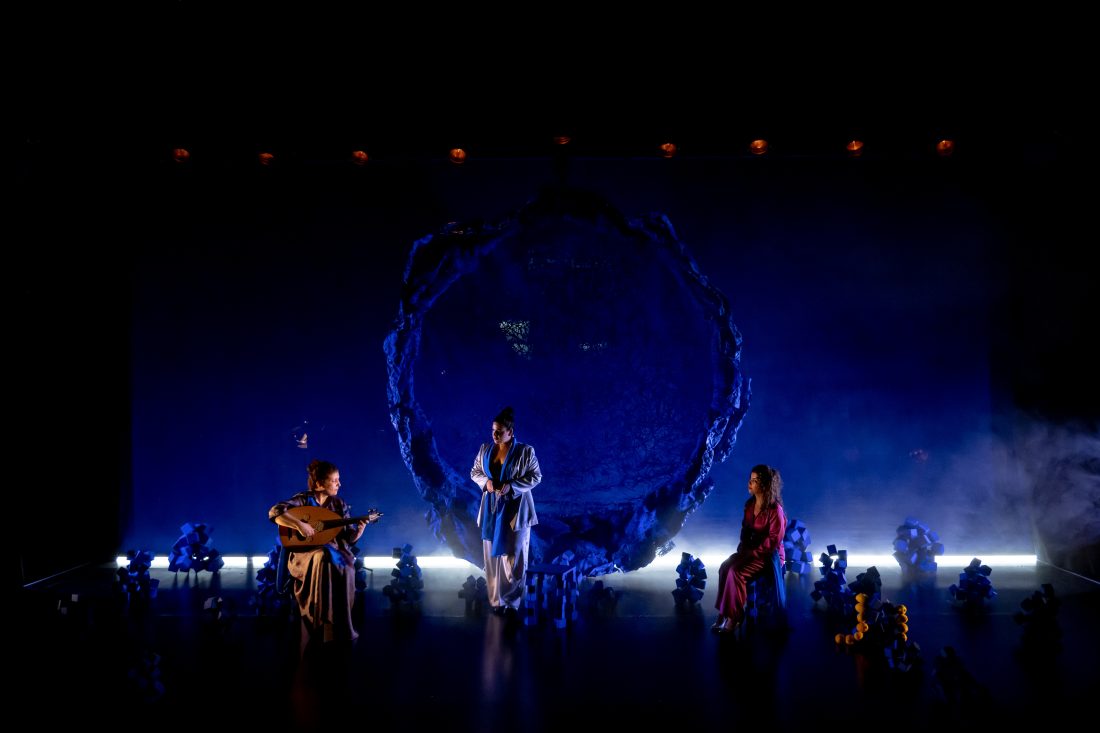
WITH Mireille Bittar, Rita El-Achkar, Waed Bouhassoun
MUSICIANS of the ensemble transmusica Valentin Link (double bass), Bernd Oezsevim (drums), Jehad Jazbeh (solo violin), Mari Sawada / Vera Kardos (violin I), Angelika Feckl / Meike-Lu Schneider (violin II), Kundri Lu Schäfer (viola), Zoe Cartier / Lea Rahel Bader (cello), Deniz Mahir Kartal / Yazan Alsabbagh (clarinet & ney), Tarek Charbel (oud)
RECOMPOSITION Nesrine Belmokh MUSICAL DIRECTOR / ARRANGEMENTS Frank Woeste STAGE DIRECTOR Sjaron Minailo COSTUME / STAGE DESIGN Shahrzad Rahmani DRAMATURGY Nora Amin, Dennis Depta DRAMATURGICAL ADVISOR Mieke Kolk POETRY Nora Amin ASSISTANT DIRECTOR / PRODUCTION MANAGEMENT Joelina SpiessENSEMBLE MANAGEMENT transmusica ensemble / MUSICAL ADVISOR Sofia Surgutschowa
TECHNICHAL PRODUCTION MANAGEMENT Helmut Topp SOUND Klim Losovskii LIGHT Sina Winkelhausen TECHNICAL EVENING MANAGEMENT SOUND Michael Tuttle, Klim Losovskii, Sören Schwedler, Sebastian Vivas Sanchez TECHNICAL EVENING MANAGEMENT LIGHT Ralf Arndt, Niklas Mård, Sina Winkelhausen STAGE CONSTRUCTION Gregor von Glinski, Marc Schulze, Rui Wegener, Ralf Mauelshagen, Pet Bartl-Zuba, Anne Wundrak, Zora Hünermann COSTUME DEPARTMENT Christina Kämper (Leitung), Kathy Tomkins HAIR & MAKE-UP Anne-Claire Meyer EVENING MANAGEMENT Sophie Reavley, Regina Triebel SERVICE MANAGEMENT Vanda Hehr
Biographies
Mireille Bittar
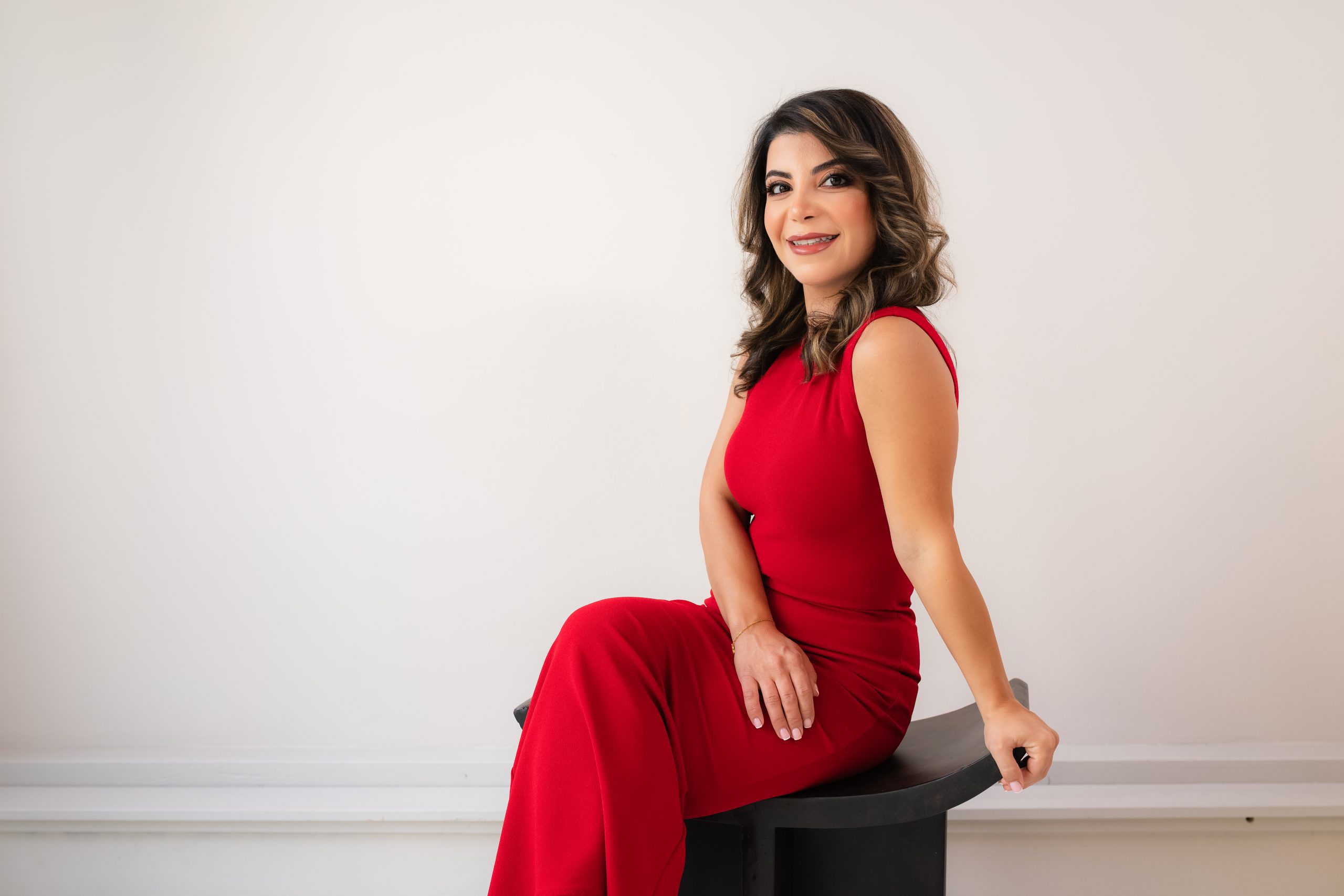
With a voice that carries both the depth of the East and the refinement of the West, Dutch–Syrian soprano Mireille Bittar emerges as a singular artistic force on the international stage.
As founder and artistic director of the Mozaiek Ensemble, she is dedicated to creating meaningful dialogue between Western classical traditions and the rich musical heritage of the Middle East. Celebrated for her warm timbre and deeply expressive artistry, Bittar brings emotional depth and stylistic versatility to a wide-ranging repertoire.
She holds a Master’s degree in Music from the Conservatory of Amsterdam and a Bachelor’s degree from the Higher Institute of Music in Damascus, and is currently pursuing her PhD at Ain Shams University in Cairo, focusing on the intersection of Arabic and Western vocal traditions.
Her international career has led her to perform with distinguished institutions such as the Rotterdam Philharmonic Orchestra under Ruman Gamba, the Dutch National Opera & Ballet, and the Residentie Orkest. On the operatic stage, her roles span both classical and contemporary works, from Cherubino in Mozart’s Le Nozze di Figaro to modern productions such as Anne & Zef, as well as Arabic opera including Antar & Abla.
As a concert soloist, Bittar has performed major works by Bach, Brahms, Schubert, Fauré, Jenkins, and Vivaldi, captivating audiences with her stylistic sensitivity and radiant presence.
Extending her artistic expression beyond the classical stage, she released her debut single Helwa El Hayat in 2024, followed by Ya Nasini and Mayyel in 2025, and Alouli Faq in 2026—projects that reflect her commitment to cultural fusion and contemporary storytelling.
Bittar is also an ambassador and featured artist of Sing for Freedom, a Netherlands-based organization that fosters cultural connection through music.
Alongside her performing career, she is a passionate educator, teaching Arabic classical singing at the Conservatory of Amsterdam, ArtEZ Conservatory of Enschede, and the Conservatory of Maastricht, where she inspires a new generation of singers to explore vocal traditions across cultures.
Rita El-Ashkar
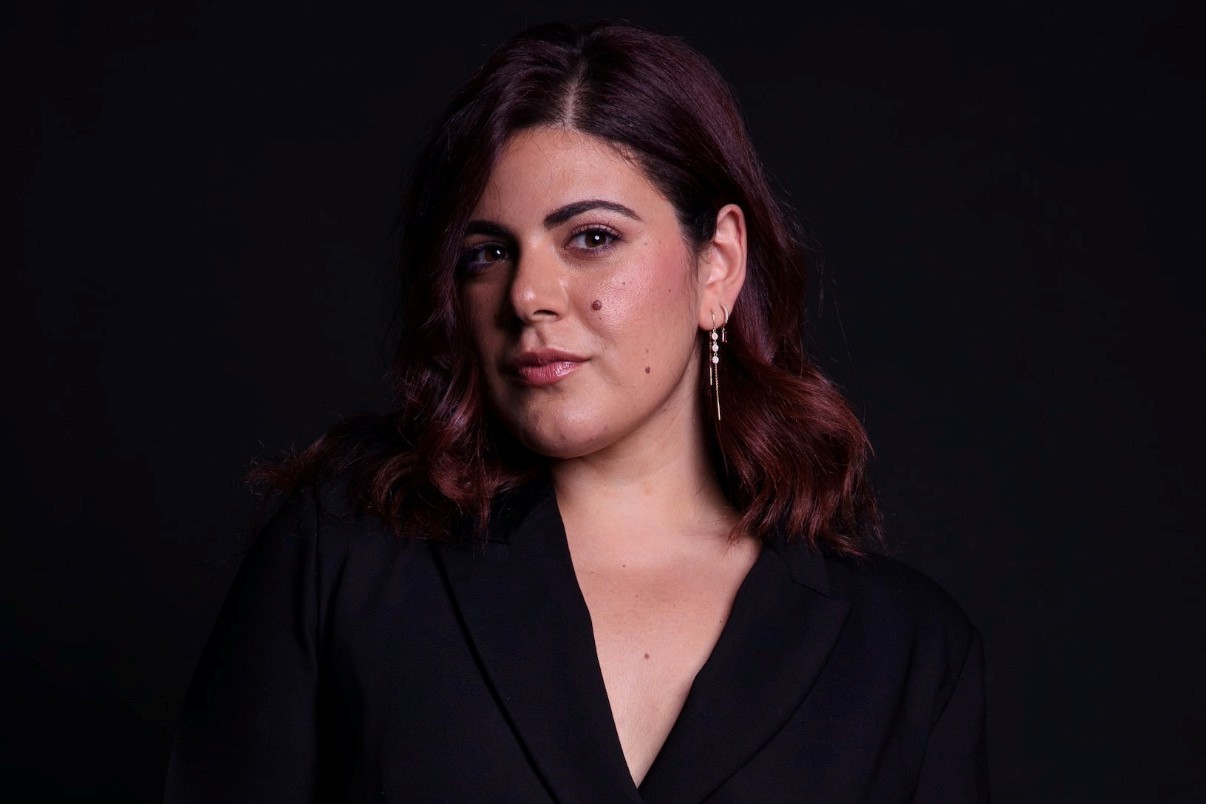
Rita El Achkar, born and raised in Egypt, began her musical journey at the age of 12, when she started taking singing lessons with the Egyptian soprano Neveen Allouba.
In 2013, she enrolled at the American University in Cairo, where she studied opera singing and economics. She continued her vocal training with Neveen Allouba and attended several international masterclasses with renowned opera singers and conductors such as Caroline Dumas, Ritva-Liisa Korhonen, Annika Ollinkari, Konrad Jarnot, Jorma Silvasti, Topi Lehtipuu, and Will Humburg.
In 2017, she was awarded the Egyptian–Finnish Bridge Scholarship.
After graduating from the American University in Cairo, where she also received a cultural scholarship for her singing, Rita continued her opera studies in Detmold, completing her Bachelor’s degree in opera singing and her Master’s degree in vocal pedagogy under Finnish soprano Eeva Tenkanen.
Rita made her German debut at the Landestheater Detmold as Susanna (Le nozze di Figaro), followed by her debut as Mimì (La Bohème) in the annual productions of the Detmold University of Music. Other notable operatic roles include Miss Wordsworth (Albert Herring) and Berenice (L’occasione fa il ladro), both performed at the Summer Theatre Detmold.
In 2024, Rita made her debut as the Queen of the Night (Die Zauberflöte) at the Cairo Opera House.
Renowned professors and coaches such as Ivan Törz, Manuel Lange, Kristian Attila, Fabio Vettraino, and Thomas Mittmann have strongly influenced her artistic development and helped refine her musical interpretation.
Her achievements include the international music competition “Jugend musiziert,” where she won various prizes in each of the six years she participated. She received a cultural scholarship at the American University in Cairo and a Finnish–Egyptian scholarship to attend masterclasses at the Savonlinna Opera Festival.
In 2022, she won 3rd prize at the international competition “Concorso Lirico Internazionale ‘Magliano città della musica’” in Lecce, Italy.
In October 2022, Rita performed the world premiere of Widukind in the role of Geva, in collaboration with Birgit Kronshage and Thomas Lotz. In summer 2025, the production was revived as part of a Germany-wide tour.
Waed Bouhassoun
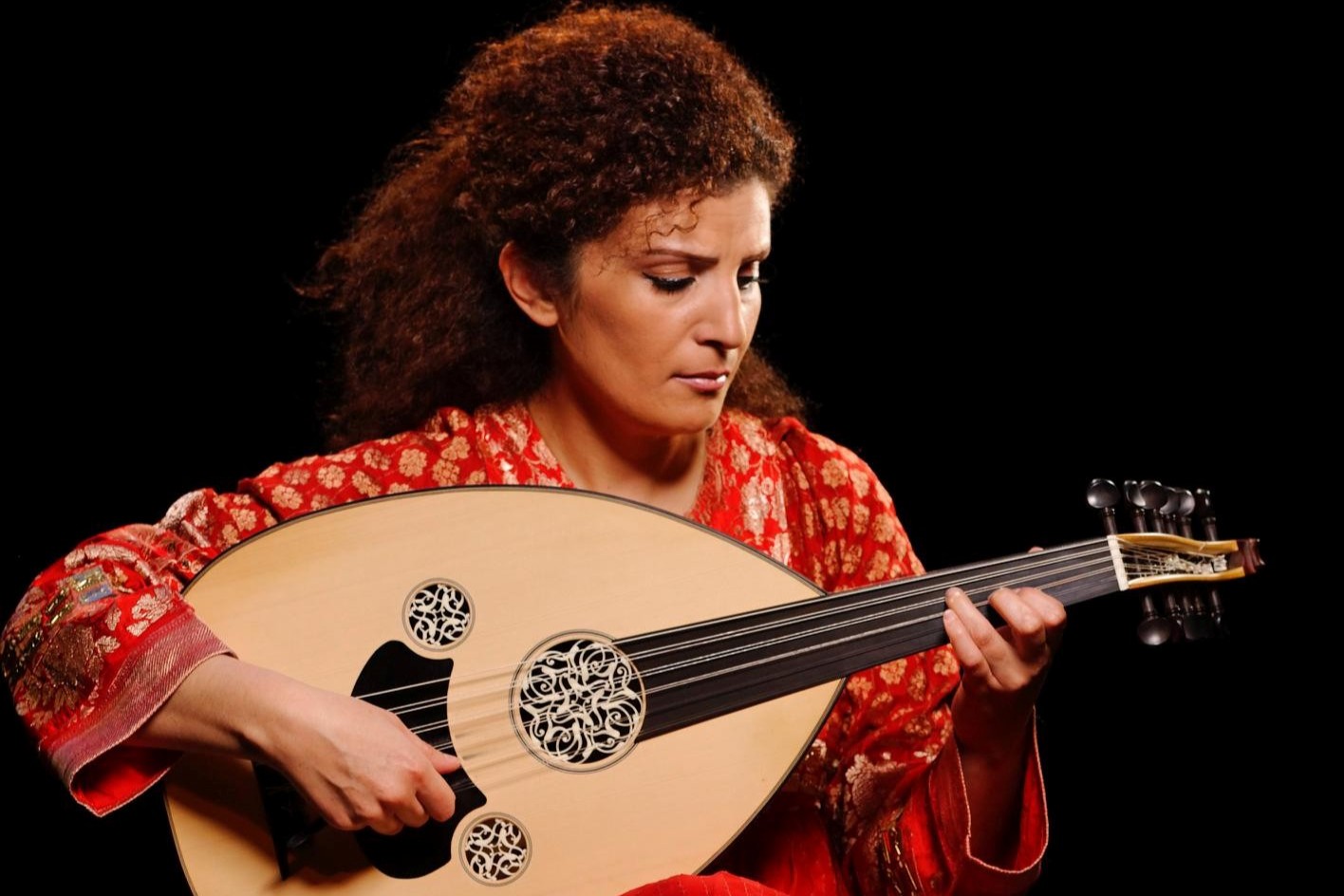
Waed Bouhassoun is a Syrian singer, oud player, composer and ethnomusicologist whose
international career began in 2006. Born in southern Syria, she has developed a unique musical language rooted in Arab traditions and enriched by diverse cultural influences. Accompanying herself on the oud, she performs her own compositions as well as mystical and secular poetry from classical and contemporary Arabic repertoires.
She has toured extensively across the Arab world,
Europe, the Americas and Asia, and regularly collaborates with Jordi Savall and Hespèrion XXI.
Named Chevalier des Arts et des Lettres in 2018, she received the Middle East and Muslim Worlds
Thesis Prize in 2022.
Ensemble Transmusica
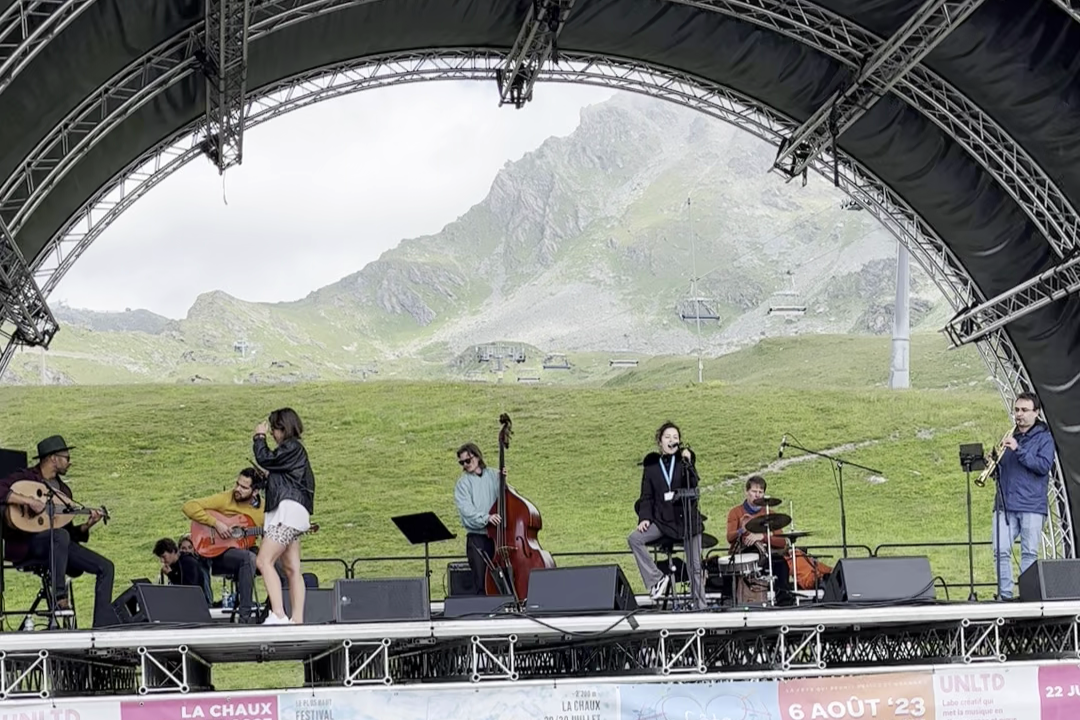
The ensemble transmusica was founded in Berlin in 2023 by the Moroccan oud player Alaa Zouiten, the Bulgarian saxophonist Vladimir Karparov and the Russian-German artist manager Sofia Surgutschowa. Alaa, Vladimir and Sofia already knew each other well, as they had successfully realised numerous music projects together, such as the Babylon ORCHESTRA, of which Sofia is a co-founder.
The ensemble transmusica brings together a wide variety of cultures and unites them through its music and approach. The group draws on a multifaceted repertoire that ranges from original compositions by the ensemble’s artistic directors and musicians to new arrangements of well-known pieces from the Mediterranean, the Balkans, Africa and India. The ensemble is a master at combining different cultures without mixing them superficially. Through their unique musical journey, the musicians encourage us to celebrate our differences while recognising that we are all part of the same global community and cannot do without each other. ensemble transmusica creates unforgettable evenings with exciting, international soloists whose work is at the centre of each concert, as well as evenings with musical themes that take the audience on long journeys, question approaches and open new doors.
As a city of cultural exchange and the fight for equality, Berlin is the perfect place to bring the concept of transculturality and inclusion to life, embody it and bring it into the world. The ensemble transmusica is committed to making an important contribution to the promotion of diversity and inclusion through its music and artistic work. The ensemble is also committed to teaching music to children and young people by incorporating global music into regular music lessons at Berlin schools. The association transmusikale e.V., whose board includes Alaa and Sofia, is committed to the integration of transcultural musicians, to their networking in Berlin and Germany and creates a platform for exchange on an equal footing with cultural institutions.
Experience the ensemble transmusica and be enchanted by its unique music. Be inspired and encouraged to celebrate our similarities and appreciate our differences!
In 2023, ensemble transmusica made its debut at the Verbier Festival (Valais, Switzerland) with singer and pianist Merve Akyildiz and will perform with Basma Jabr as soloist at the Tonhalle St. Gallen (Switzerland) in the 2023-24 season. The ensemble’s other projects include a specially curated concert series in Berlin and the creation of the Long Night of Music, as well as the project Ukrainian Female Voices at the Grüner Salon of Volksbühne.
Nesrine Belmokh | ARTISTIC DIRECTION / RECOMPOSITION
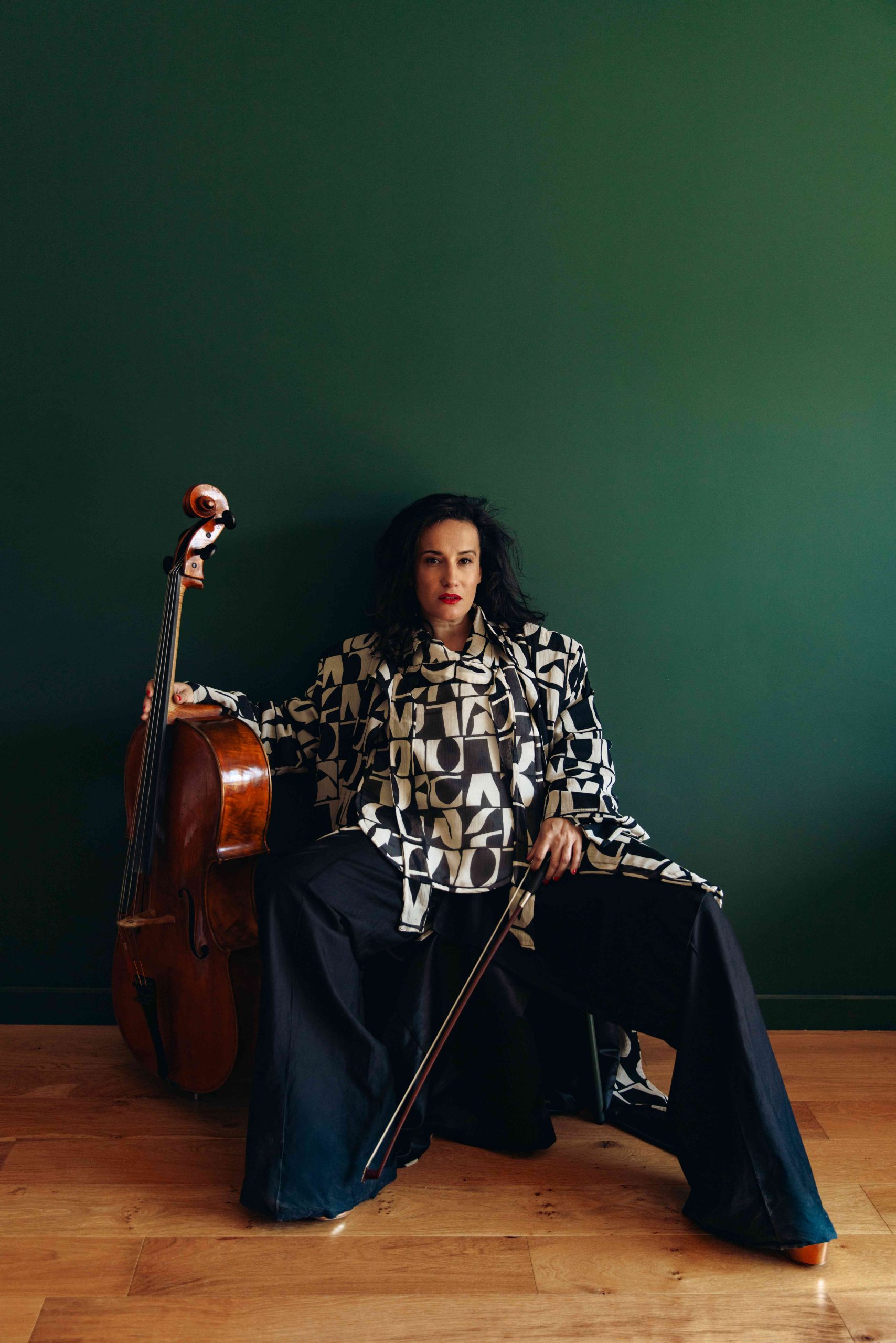
Singer, cellist, and songwriter, Nesrine grew up in a family where music played a central role. From the age of six, she gave her first concert, showcasing a prodigious talent and perfect pitch. Classically trained in cello, she studied at prestigious institutions and performed with renowned orchestras such as the East-Western Divan Orchestra conducted by Daniel Barenboim and the Valencia Opera Orchestra under the baton of Lorin Maazel and Zubin Mehta. Her international journey has taken her to France, Spain, Switzerland, New York, and finally Paris, where she now resides. This cultural diversity influences her music, which merges elements of jazz, pop, classical music, and North African traditions.
A true citizen of the world, she blends various languages and sounds in her compositions, alternating between Arabic, French, and English with remarkable ease. After conquering the European music scene with the trio NES and the album Ahlam (2018), praised for its minimalist beauty and Mediterranean influences, Nesrine established herself as a solo artist with two albums, Nesrine (2020) and Kan Ya Makan (2024). The latter, meaning “Once Upon a Time” in Arabic, is a deeply personal project where she explores universal themes such as love, resilience, and human connections.
Her collaborations include renowned artists such as Michael League, Michael Mayo, Michel Portal, IAM, Juliette Saumagne, and the Metropole Orchestra. She also shone in the Cirque du Soleil’s Amaluna in a lead role, showcasing her versatility and stage charisma.
Nesrine draws inspiration from diverse literary and musical figures: Khalil Gibran, Serge Gainsbourg, Beethoven, Oum Kalthoum, and Erykah Badu. Her cello, a lifelong companion, takes center stage in her compositions, transforming into a bass, guitar, or orchestral instrument according to her creative whims.
With Kan Ya Makan, Nesrine reaffirms her status as an innovative and timeless artist, a modern-day Scheherazade reinventing musical traditions.
Frank Woeste | MUSICAL DIRECTION / ARRANGEMENT
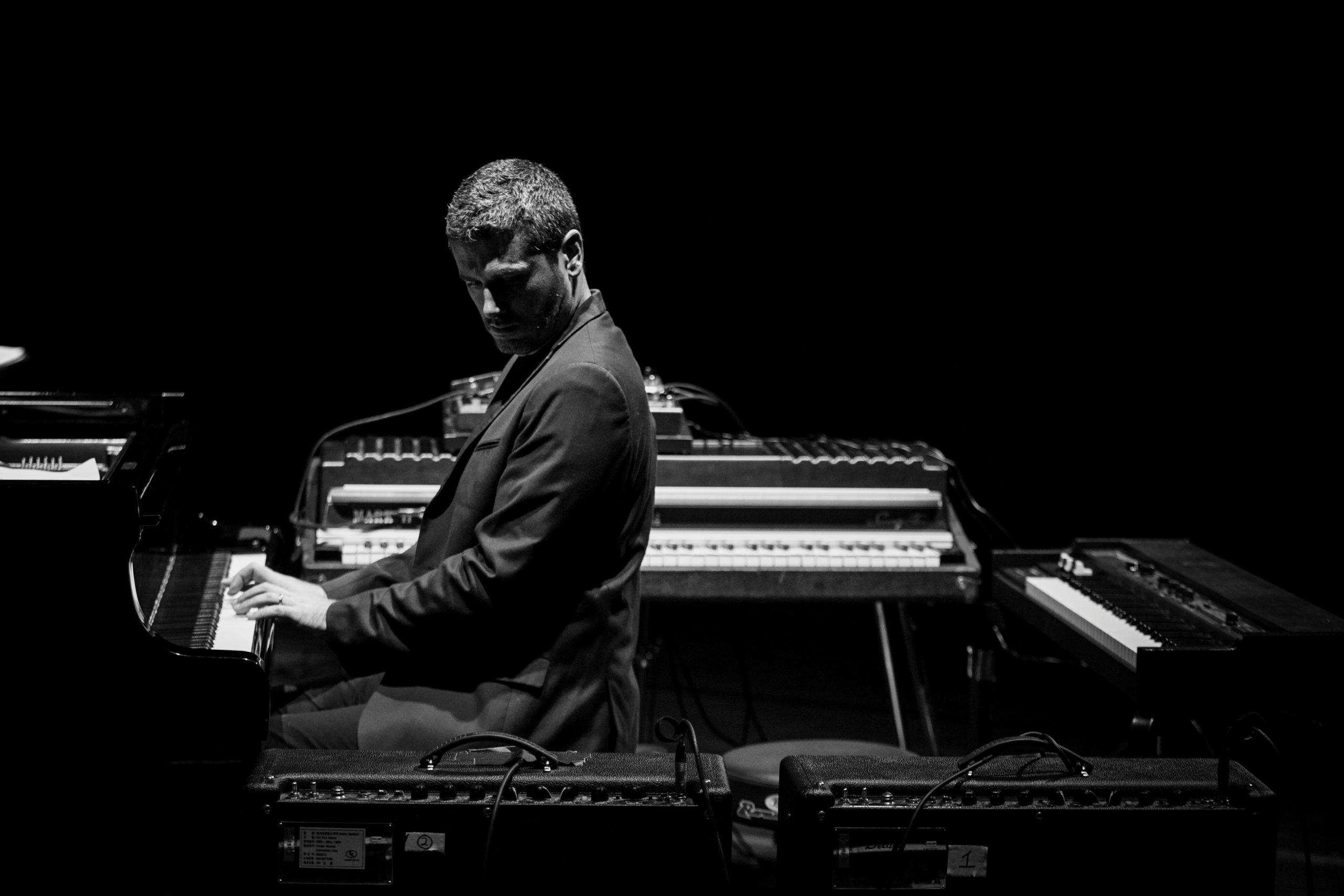
Frank Woeste, born in Hanover in 1976, is a pianist, composer, arranger, and producer. Raised in a musical family, he moved to Paris in 1997 to pursue his studies and developed a personal style that moves between jazz, classical music, and electronic timbres, particularly on the Fender Rhodes.
He has worked with artists such as Ibrahim Maalouf, Youn Sun Nah, and Dave Douglas. His projects have received multiple awards, including distinctions at the Victoires du Jazz.
He has also released numerous albums as a bandleader and is considered one of the most versatile European jazz pianists of his generation.
Sjaron Minailo | Stage Director
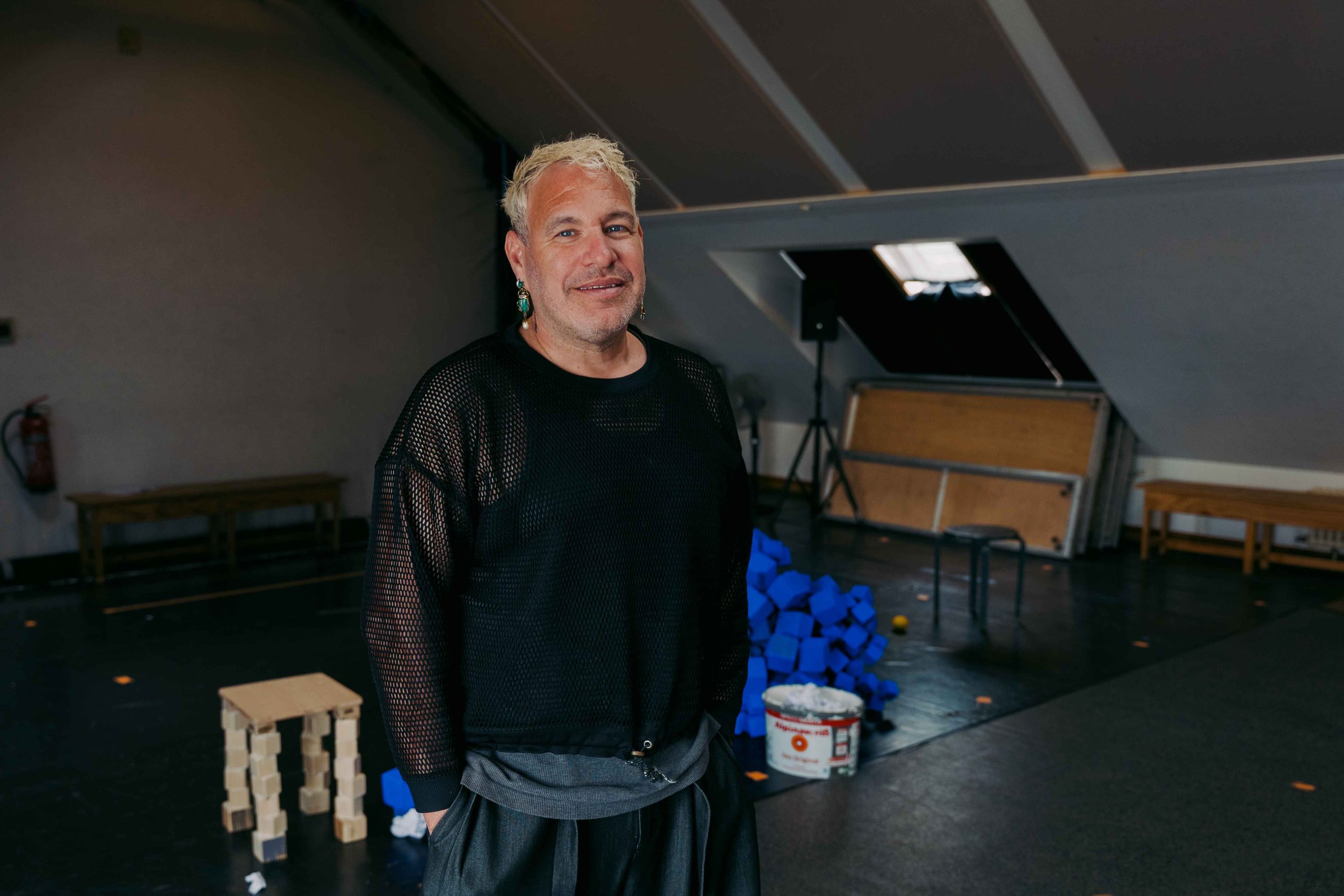
Sjaron Minailo is an Amsterdam-based opera and music theatre director and artistic director of Studio Minailo, his experimental laboratory. His highly visual, site-specific work responds to social and political developments and includes new creations from compositions never meant for the stage. He is artist-curator at the Dutch National Opera’s Opera Forward Festival and head of Music Theatre at ArtEZ University of the Arts. Credits include Dutch National Opera, La Monnaie, Opera Brno and Opera Poznań, with yearly appearances at O. Festival Rotterdam since 2008. He received the Fast Forward Prize and was shortlisted for the International Opera Awards (Young Directors).
Shahrzad Rahmani | Costume/ Stage Design
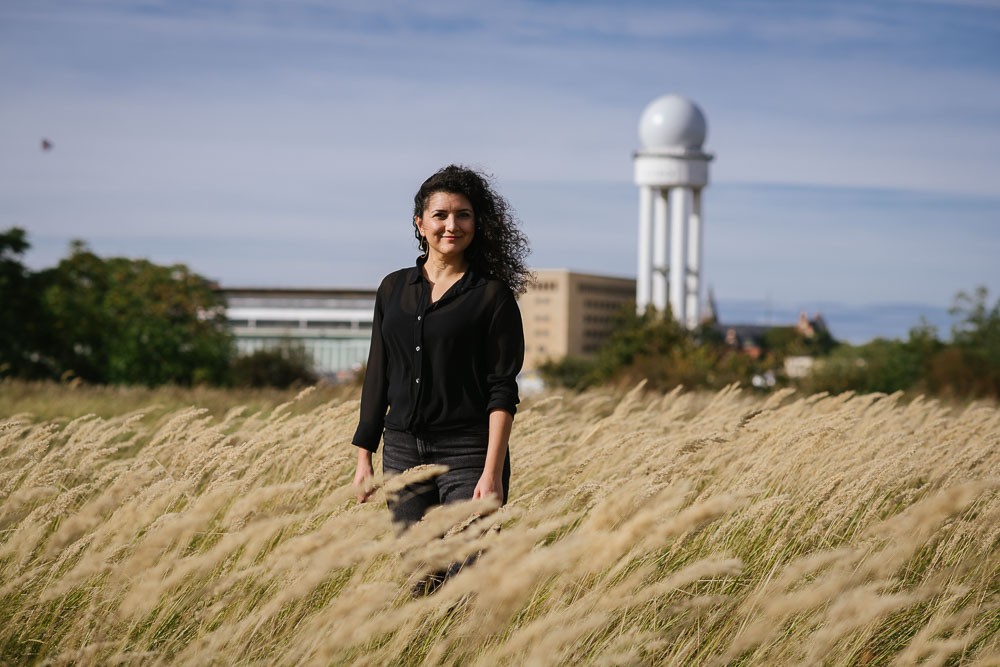
Shahrzad Rahmani is a freelance stage and costume designer, scenographer, and member of the Berlin-based artist collective „Guerilla Architects“. Her artistic practice focuses on interdisciplinary spaces and installations within theatrical, urban, and performance contexts.
Born in Karlsruhe and raised in Tehran, Shahrzad holds a Master of Arts in Stage Design and Scenography from TU Berlin (Bühnenbild_Szenischer Raum) and a Diploma in Architecture from the Karlsruhe Institute of Technology (KIT). In 2023/24, she was Bertolt Brecht Visiting Professor at the Centre of Competence for Theatre (CCT) at Leipzig University. She collaborates nationally and internationally with directors and choreographers on productions at various theatres and site-specific projects.
Nora Amin | Dramaturgy / Poetry
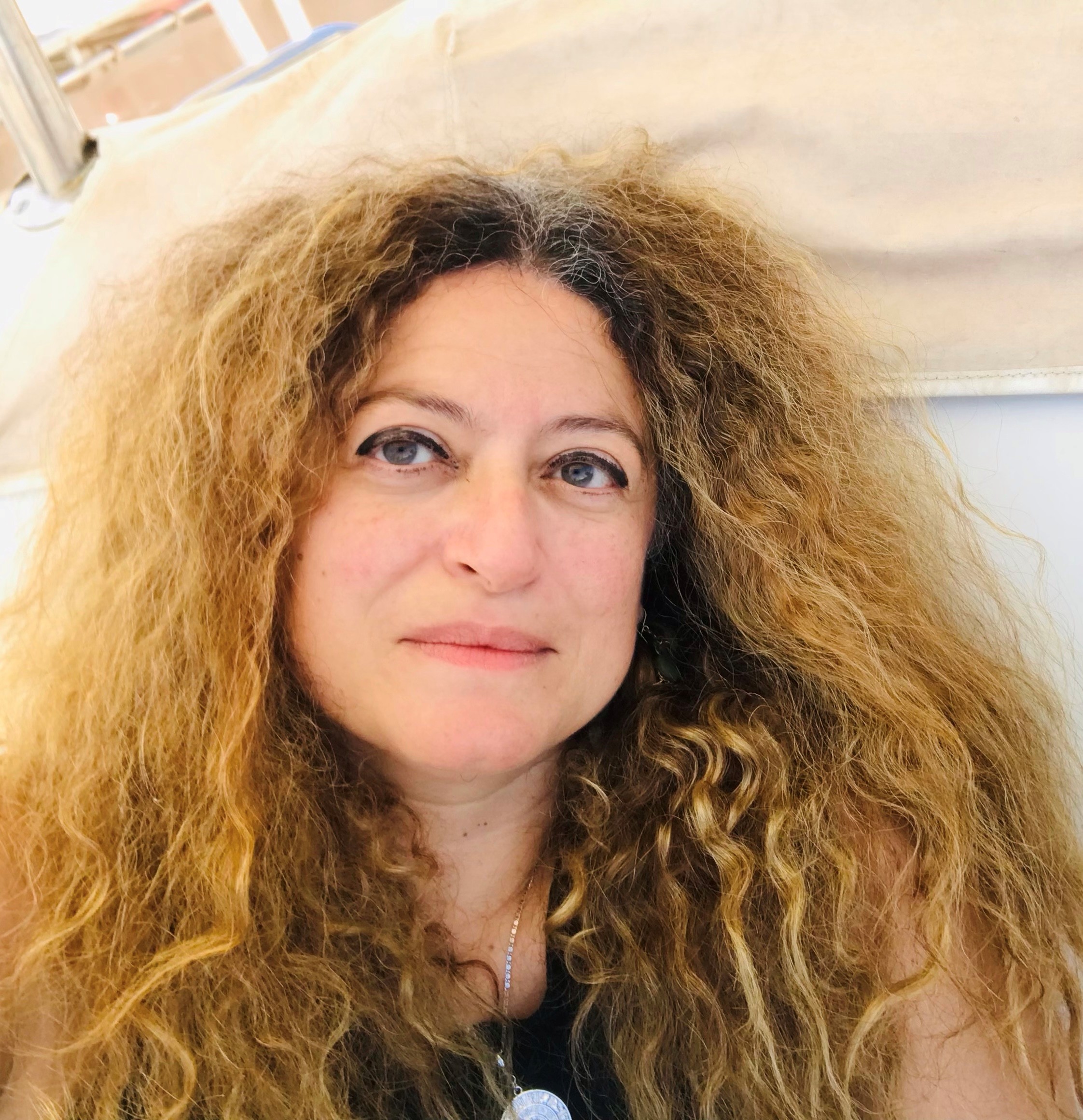
Performer, choreographer, author, dramaturge & scholar. Fellow of the centre for Theatre of the Oppressed (Brazil, 2003), founder of Lamusica Independent Theatre group (Egypt, 2000) where she created 50 performances of dance, theatre & music. Founder of The Nation-wide Egyptian Project for Theatre of the Oppressed and its Arab network (Lebanon, Sudan & Morocco), fellow of Academy of the Arts of the World (Cologne, 2015), fellow of International Research Centre for Interweaving Performance Cultures (FU, 2015-2016), Valeska-Gert guest professor for dance sciences (FU, 2018), visiting lecturer at centre for contemporary dance (Köln, 2020/2023/2024), and Mentor/Expert at PAP (Performing Arts Program/LAFT Berlin) and Flausen+bundesnetzwerk program (2018-2024), and former board member at the German Centre of the International Theatre Institute.
Her latest books are Migrating the Feminine, on sexual violence as a political weapon (2018) and Dance of the Persecuted (2021), a feminist perspective on the history of Baladi dance in Egypt linking coloniality with patriarchy and capitalism (MSB Matthes & Seitz, Berlin). Her acclaimed productions in Germany: Migrating the Feminine, Reinventing Memories, MY DANCE, Re-rooting, WOUND, HEALING and GRIEF. She is also a certified grief coach and a trauma healing practitioner.
Dennis Depta | Dramaturgy

DDennis Depta, born in Cottbus in 1988, is a dramaturg, performer, and musician. Since 2014, he has been part of the Berlin-based (music) theatre group glanz&krawall, with which he has been boldly seeking confrontation with the rest of society—from the high culture of opera to the poetic lostness of a solo entertainer in a village disco. Together with director Marielle Sterra, he brings formats from popular culture such as wrestling, circus, punk concerts, and horse racing into the theatre, while also increasingly taking theatre into urban spaces such as clubs, beach baths, and psychiatric institutions.
Since 2019, Depta and Sterra have initiated the inclusive theatre and music festival series BERLIN is not…, for which music acts and performing arts groups alike adapt operas by Richard Wagner & Co. KG for a broad audience. Since the 2025/2026 season, Depta has been dramaturg at the Neuköllner Oper in Berlin. He is also guitarist in the bands SCHROTTI STAR ORCHESTER and KANAL. Depta believes that art comes from wanting, not from ability.
Mieke Kolk | Dramaturgical Advisor
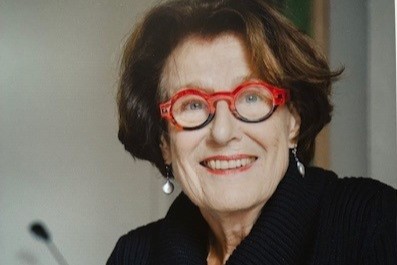
Dr. Mieke Kolk taught at the Department Theater Studies of the University of Amsterdam. She specialised in Woman Studies and Postmodern Theater in theory and practice; she was co-founder of the feminist theatre group Theater Persona in the1980s, and traveled as visiting professor to the UK, USA and Belgium.
She published extensively on opera and music theatre since the late eighties. Her books developed and described international feminist strategies in the theatre and the short history of women’s theatre in The Netherlands.
Since 2001 she worked on a a Cultural Exchange program in the Arts with Dutch and European theatermakers in their colleagues in Egypt and Sudan, till 2019. Academic conferences between East and West were held with and in the Arabic countries between 2004-2009. Those proceedings/books were also publicised by the theatre-journal Documenta, University of Gent.
Her own international publications are available on the internet with Researchgate.
Joelina Spiess | ASSISTANT DIRECTOR / PRODuction Management
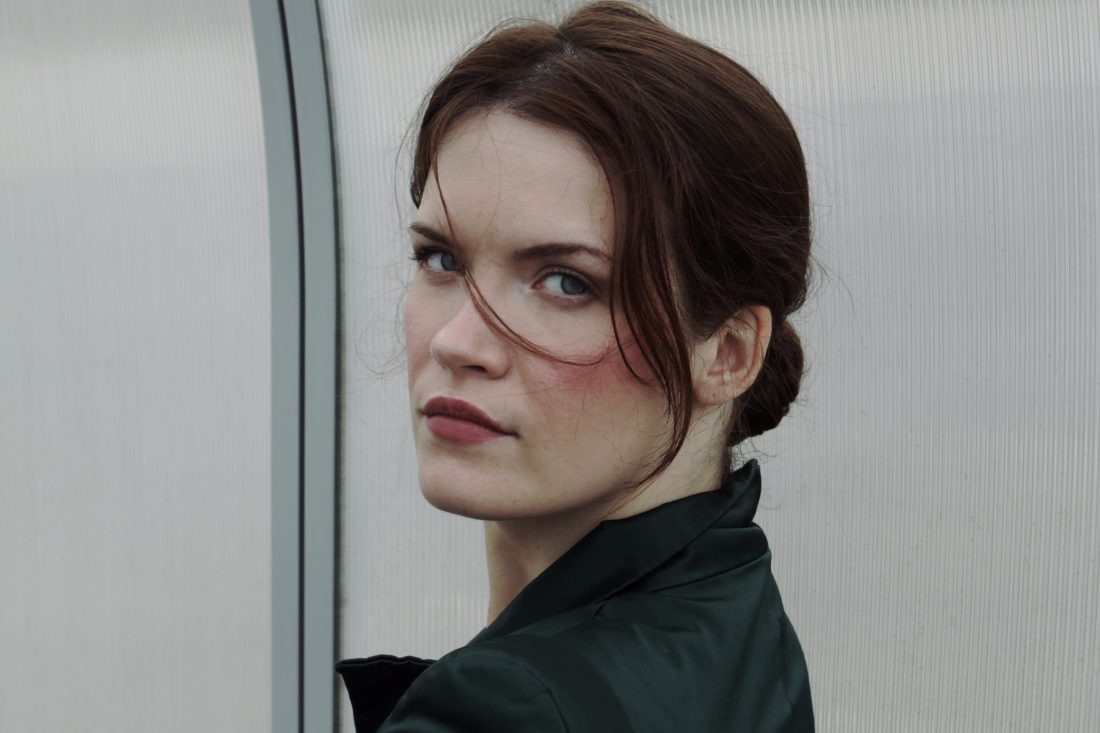
Joelina Spiess, born and raised in Berlin, completed her directing studies in 2024 at the Academy of Theatre and Dance in Amsterdam. Under the name of her collective HERMANN, she develops performative formats from psychological-philosophical thought experiments, combining classical theatre forms with settings such as workshops or speed dates. At the centre of her work is a radical, uncompromising honesty and the aim of creating an almost subtext-free theatre.
As part of a masterclass with Johan Simons, she directed Elsie de Brauw, which led to an ongoing collaboration. She has also worked with SIGNA at the Schauspielhaus Hamburg (Das 13. Jahr) as well as at the Vienna Festival (Das letzte Jahr).
Sofia Surgutschowa | ENSEMBLE MANAGEMENT transmusica ensemble / MUSIcal Advisor
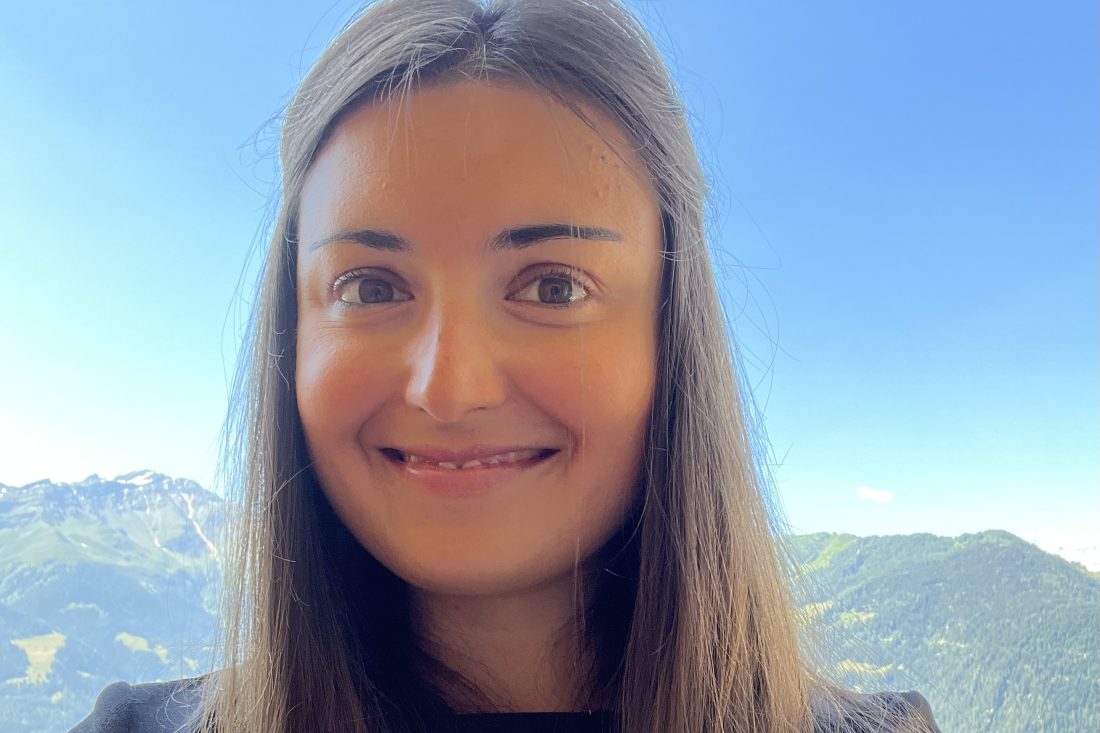
Sofia Surgutschowa studied theatre and performance in Paris, Amsterdam and Baltimore and then worked as as a cultural journalist for magazines such as the Münchner Merkur, Weltkunst, Le Point and Spirit Bordeaux. For eight years Sofia has been an artist manager for IMG Artists in Berlin and Paris, representing opera singers, conductors, and instrumentalists. In 2015 she co-founded the Babylon ORCHESTRA in Berlin, an ensemble for contemporary oriental music composed of refugee and European musicians who are committed to cultural exchange between East and West and have become indispensable in the Berlin cultural scene ever since. Since 2020, Sofia Surgutschowa has been working as a freelance creative producer, (production) manager of international cultural projects, in particular for the Verbier Festival and the Zafraan Ensemble. Sofia Surgutschowa is the co-founder of the Biennale in Situ in Lausanne (Switzerland), chairwoman of the board of transmusikale e.V. and of House of Lada. She is part of the editorial committee of the French magazine KOMETA.