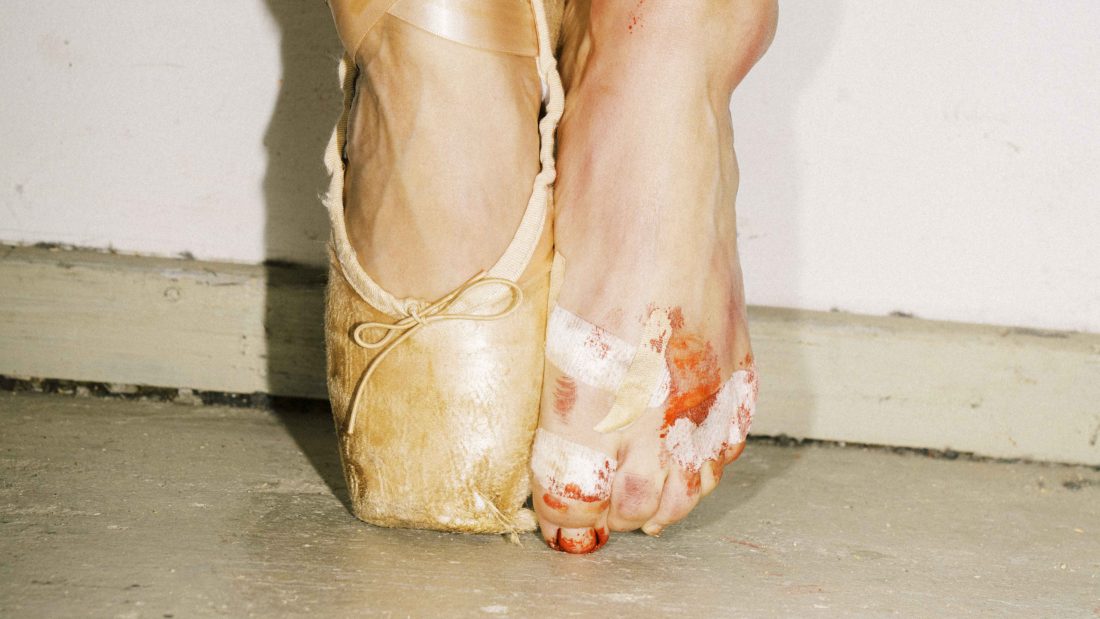
NO Jung combine Shakespeare with slasher vibes. Dance becomes a hunt. Choral singing turns into rumor. Music becomes a racing pulse. Music theatre somewhere between dance, scene, song, and collage. Funny, precise, unsettling. And perhaps a little too close for comfort.
Contents
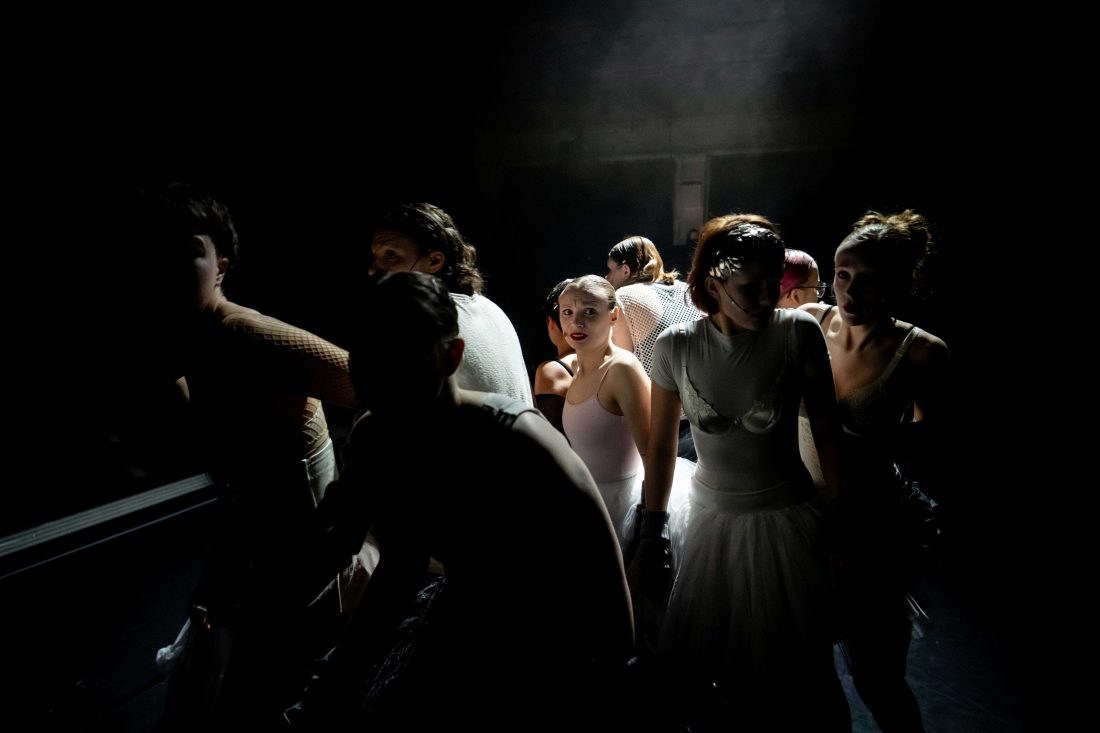
I KNOW WHAT YOU DID LAST SOMMERNACHTSTRAUM takes Shakespeare’s A Midsummer Night’s Dream as its point of departure and plunges it into its own contemporary nocturnal world. What at first still seems like a fast-paced retelling of the original – with romantic chaos, mistaken identities, gods, magic, and a donkey – gradually turns into a much darker and more personal journey.
In the forest, not only the characters but also our ideas of love, beauty, gender, and power begin to waver. Who is seen, who is desired, who is allowed to speak – and who remains trapped within prescribed roles?
Between gazes and desire, relationships shift, and bodies become projection screens. Yet this is precisely where a space for resistance opens up: for new voices, for contradiction – and for the possibility of escaping imposed labels.
Thus, the summer night’s dream becomes not a harmless comedy of mistaken identities, but a wild collage about identity, rivalry, longing, and the desire to break free from predetermined patterns. Blending music theatre, dance, chorus, performance, and exaggeration, the production asks what happens when the familiar stories no longer hold us. And who we might become if we stop performing only what is expected of us.
On the Development & Working Method
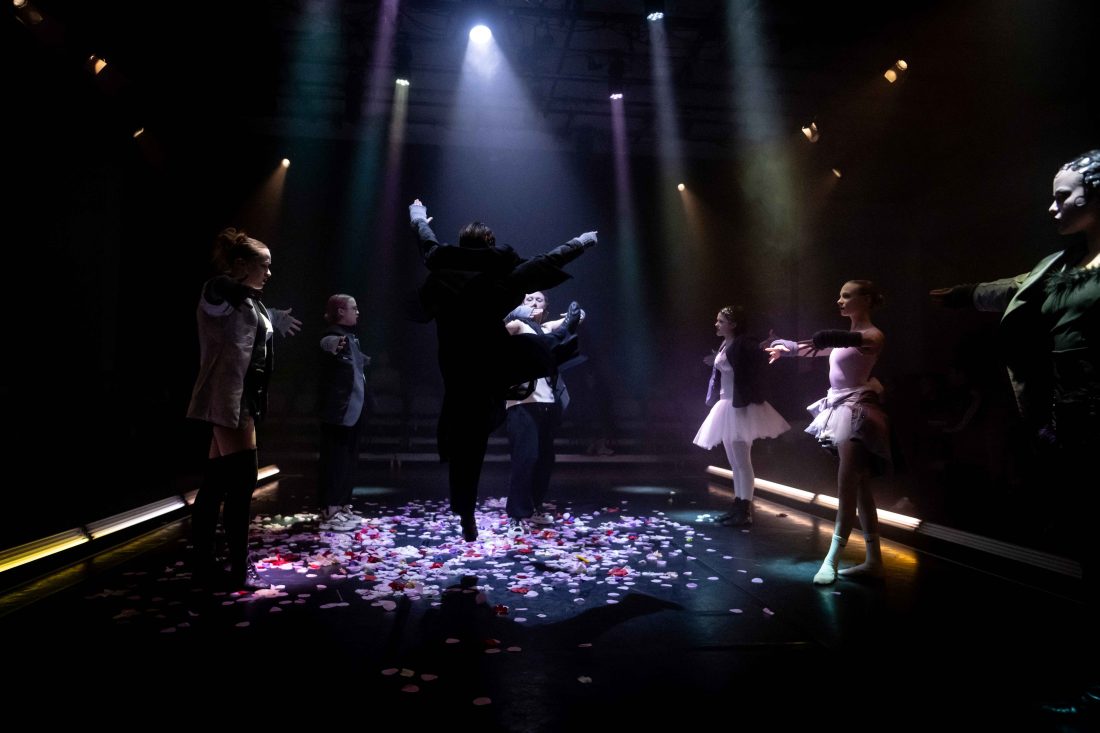
This production emerged through a collaborative devising process. Starting from Shakespeare’s A Midsummer Night’s Dream, we explored together with the ensemble, direction, composition, choreography, and costume design which characters, conflicts, and images from the play still resonate within us today – and where we feel the urge to challenge them.
At the center of the process was not the question of how to tell Shakespeare as faithfully as possible, but rather what this material provokes in our present moment. Which themes surface in our own “night dream.” Which experiences of love, jealousy, exclusion, role models, powerlessness, longing, and resistance become visible within it. Through improvisations, conversations, choreographic sketches, musical drafts, fragments of text, and biographical impulses from the ensemble, an original version of the piece gradually began to take shape.
The artistic process became a constant dialogue between the different disciplines. Scenes evolved out of movement, texts were distilled from moments of play, musical motifs shaped atmospheres and attitudes, and costumes and visual language further developed both characters and collective states of being. In this way, an evening emerged in which theatre, dance, music, and collective research continuously influenced one another.
For us, devising theatre does not simply mean writing new material. It means collectively finding a form in which many voices can coexist – a form in which classical source material, personal experience, and collective imagination collide. I KNOW WHAT YOU DID LAST SOMMERNACHTSTRAUM is the result of this shared search: a performance that does not merely retell Shakespeare, but questions and transforms him through the perspectives of this ensemble.
5 Questions to NO Jung
What interested you about Shakespeare’s A Midsummer Night’s Dream?
Above all, the characters. We quickly realised that they are far more complex than one might initially assume. Helena, for example, moved us because she carries so much insecurity and a lack of self-worth. At the same time, there are characters like Demetrius or Hermia who at first seem rather stereotypical, but who turn out to be much more complex than they appear. Hermia rebels against the political and social system she lives in and risks everything for it. We were interested in not playing these characters in a flat way, but in searching for the contradictions and emotions beneath them.
Where did the idea come from to incorporate horror into the piece?
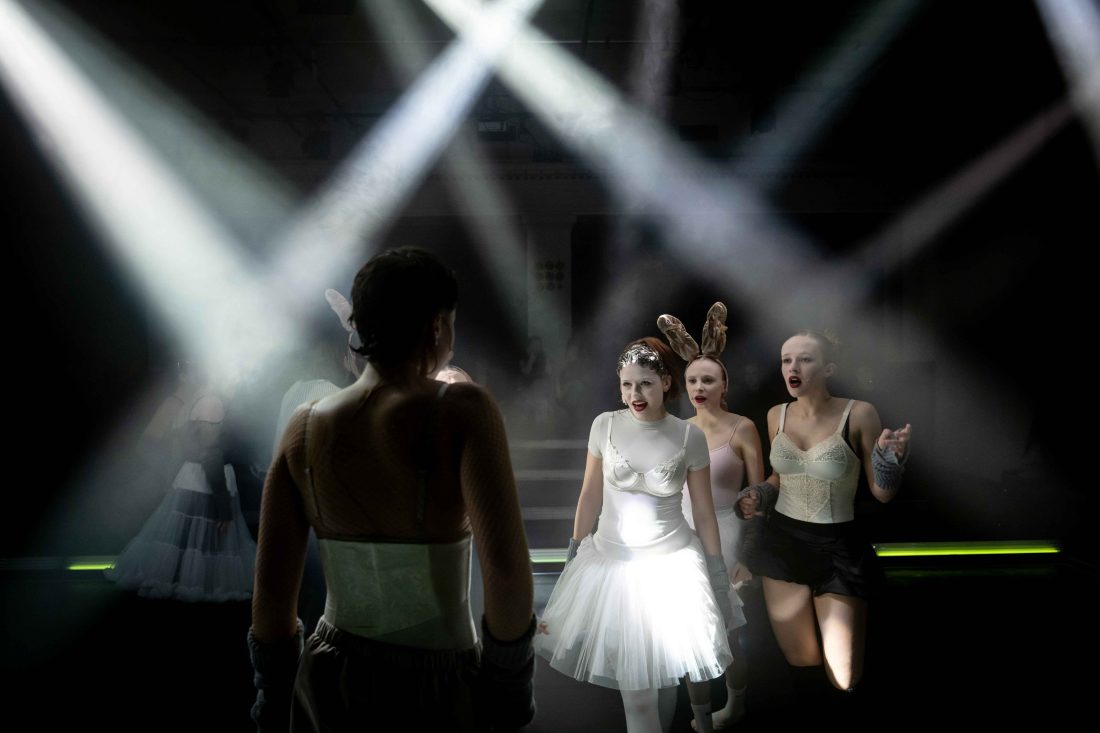
It actually started as a joke. We began thinking about how absurd some of the situations in the play really are: people running into the forest at night, making questionable decisions, falling asleep anywhere – almost like a 1990s slasher film. From this, the idea gradually emerged to work with elements of horror.
We then began improvising typical horror-film scenes and connecting them to the material. For us, it was never about shock effects, but rather about atmosphere: this constant sense that something is not right. That you never quite know whether what you are seeing is real, a dream, a memory, or something entirely different.
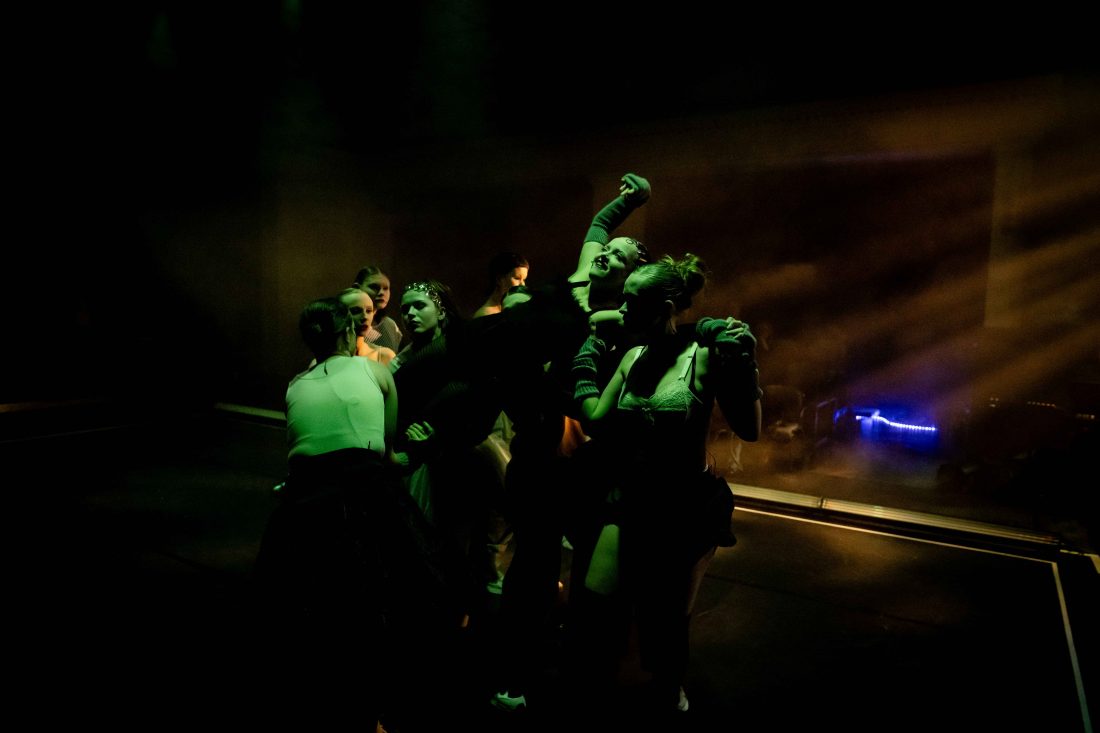
How did you develop the choreography as a group?
A great deal emerged through improvisation and collective research. At the beginning, we worked extensively with group movement, experimenting with how we can move as an ensemble, and interpreting scenes from the original in different ways. From this, images and movement sequences gradually emerged, which we collected over time. Our choreographer Bahar and director Bjørn later assembled these elements. What was always important was the question: which images actually convey what is meant emotionally or thematically?
What role do set design, costume, and music play in your production?
The stage functions almost like a forest clearing, where everything is visible at the same time. This creates a particular sense of closeness and unease, because no one can hide. The costumes also play with transformation and doubling: characters constantly shift, roles are passed on, identities blur. Together with the music, this creates a state between dream, horror, and reality. This sense of uncertainty felt very fitting for A Midsummer Night’s Dream – a play that never fully resolves into a single clear meaning. A Midsummer Night’s Dream
And what is the meaning of the donkey?
For us, the donkey is less a single character and more a concept. It embodies something that forces the group to confront repressed feelings, role expectations, and a shared trauma. The donkey poses questions: who am I really, behind the expectations placed on me? Characters like Demetrius initially try to conform to certain societal ideas of masculinity. The donkey destabilises these constructions and demands honesty – emotionally, but also on a meta-level in relation to how we deal with Shakespeare’s characters overall.
Team
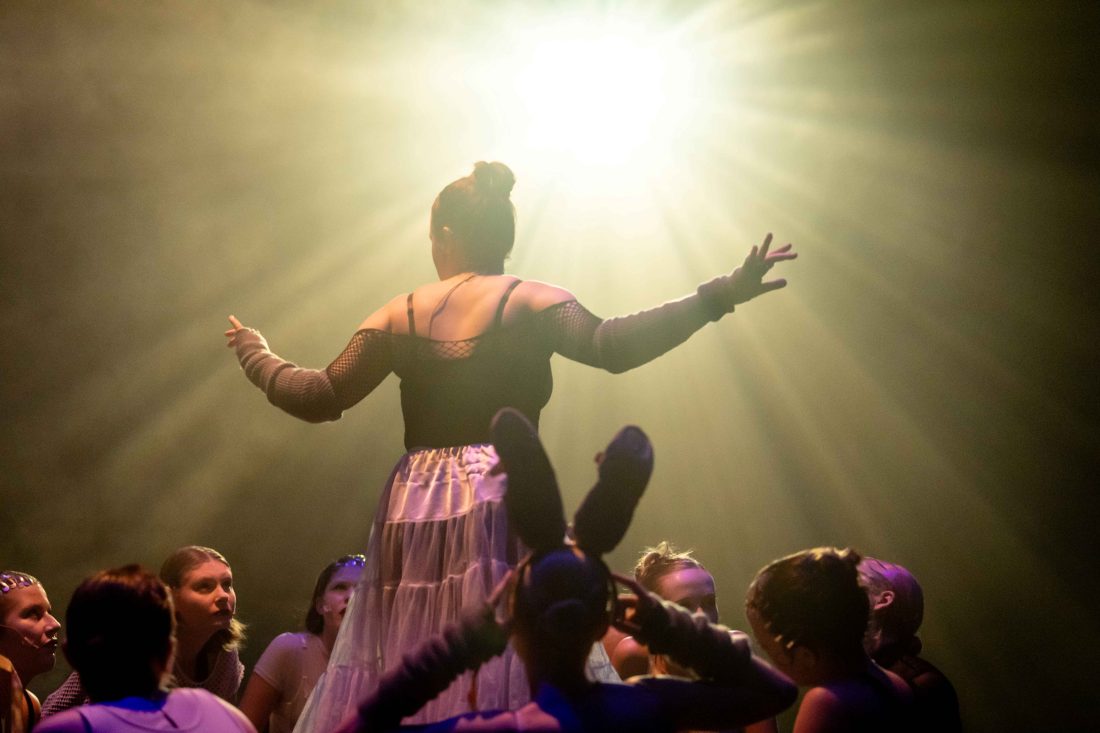
WITH Fynn Berger, Luise Döring, Sam Enders, Anni Hellwich, Nele Langner, Emma Klessen, Anaise Kliemann, Johanna Lanzky, Luise Marr, Jenna Sintic, Lara Sukatsch
DIRECTION Bjørn de Wildt MUSIC Yuval Halpern CHOREOGRAPHY Bahar Meriç COSTUME Federica Fugazzi COSTUME ASSISTANT Morghan Welt ASSISTANT DIRECTOR / PRODUCTION MANAGEMENT Lisa Blumberg ASSISTATN DIRECTING PLACEMENT Lena Wetzel
TECHNICAL PRODUCTION MANAGEMENT Gregor von Glinski SOUND Klim Losovsky LIGHT Ralf Arndt COSTUME DEPARTMENT Kathy Tomkins (lead), Christina Kämper HAIR & MAKE-UP Anne-Claire Meyer EVENING MANAGEMENT Sophie Reavley, Regina Triebel SERVICE MANAGEMENT Vanda Hehr
Ensemble
Anaise Kliemann
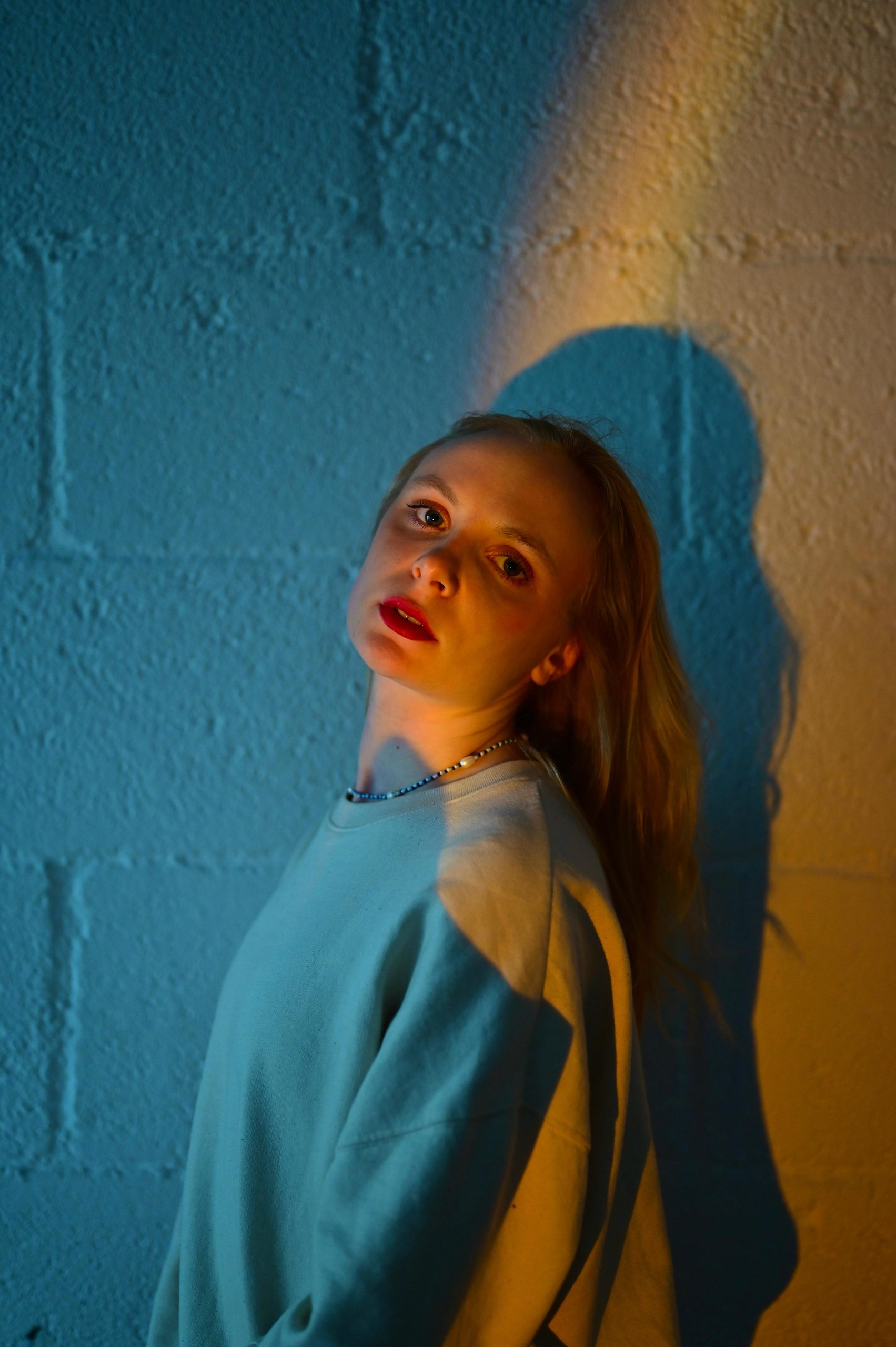
This is what my perfect Midsummer Night’s Dream looks like
The air is warm, and it smells like a summer night. The streets are still softly glowing from the day. We cycle through the night, laughing too loudly, talking about everything and nothing, as if there were no tomorrow. Somewhere, music is playing, and everything feels light.
Eventually, we end up at our favourite corner shop, sitting on the curb, watching the city refuse to fall asleep. It is one of those moments that feel like they could last forever.
Anni Hellwich
My poem to the afterworld
Du [Esel] hast einen Punkt berührt,
diesen Punkt ganz tief in mir.
Der Wind weht kalt, die Welt erstarrt,
auf meiner Haut ein Riss.
Die Scheibe springt,
die Mauern zerbersten,
jede Faser erwärmt sich,
ins Dunkel fällt Licht.
Tränen brennen, mein Kopf explodiert,
Gedanken donnern, während ich mich verlier’.
Zu laut! Zu schnell! Zu viel!
Es zerreißt mich, zerbricht mich,
dein Bild ertrag’ ich nicht.
Ich ertrinke …
Ich verbrenne …
Ich fühle mich selbst nicht mehr.
Was so lang war begraben,
rinnt aus meiner Haut.
Die Kraft der Gefühle
halt ich nicht mehr aus.
Ich zerbreche in Scherben,
zerfalle zu Staub.
[Transl.:
You [donkey] have touched a point,
a point deep inside me.
The wind blows cold, the world freezes,
a crack runs across my skin.
The glass shatters,
the walls collapse,
every fibre begins to heat up,
light falls into the darkness.
Tears burn, my head explodes,
thoughts thunder while I lose myself.
Too loud! Too fast! Too much!
It tears me apart, breaks me,
I cannot bear your image.
I am drowning…
I am burning…
I can no longer feel myself.
What has long been buried
flows out through my skin.
The force of emotion
is no longer bearable.
I break into shards,
I crumble into dust.]
Emma Klessen
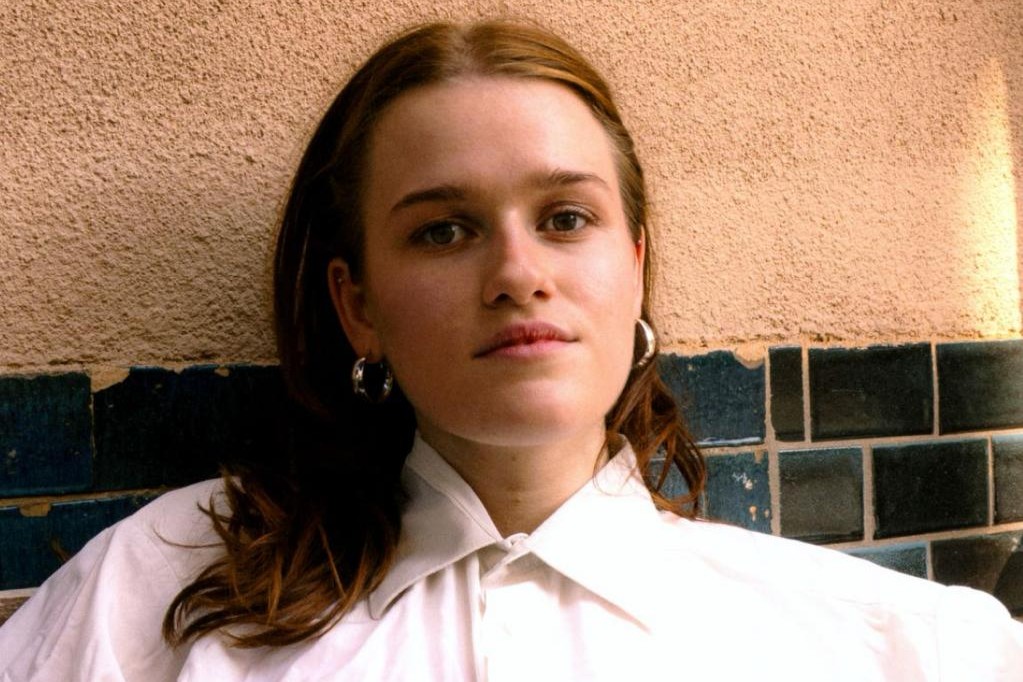
My poem to the afterworld
Nichts
Du küsst meine Wange und meine Augen und alles ist schön
Ich wache mit einer unnatürlichen Freude in der Brust auf
Die Welt ist bunt
Ich weiß jetzt was ich will, habe Worte schon im Mund, die nur noch die Lippen überqueren müssen
Ich laufe wie auf dem Mond, wie Unterwasser, ich kann nicht anders
Ich rieche Blüten, meine Augen brennen
Ich denke nichts. Nichts.
Wie habe ich mir das gewünscht, wie habe ich gebetet
Auf Knien, Kopf an der Wand
Wie habe ich gewollt.
[Transl.:
Nothing.
You kiss my cheek and my eyes and everything is beautiful.
I wake up with an unnatural joy in my chest.
The world is bright.
I know what I want now, words already forming in my mouth,
only waiting for my lips to let them cross over.
I move as if on the moon, as if underwate – I cannot do otherwise.
I smell blossoms, my eyes are burning.
I think nothing. Nothing.
How I wished for this, how I prayed for it.
On my knees, head against the wall.
How I wanted it.]
Fynn Berger
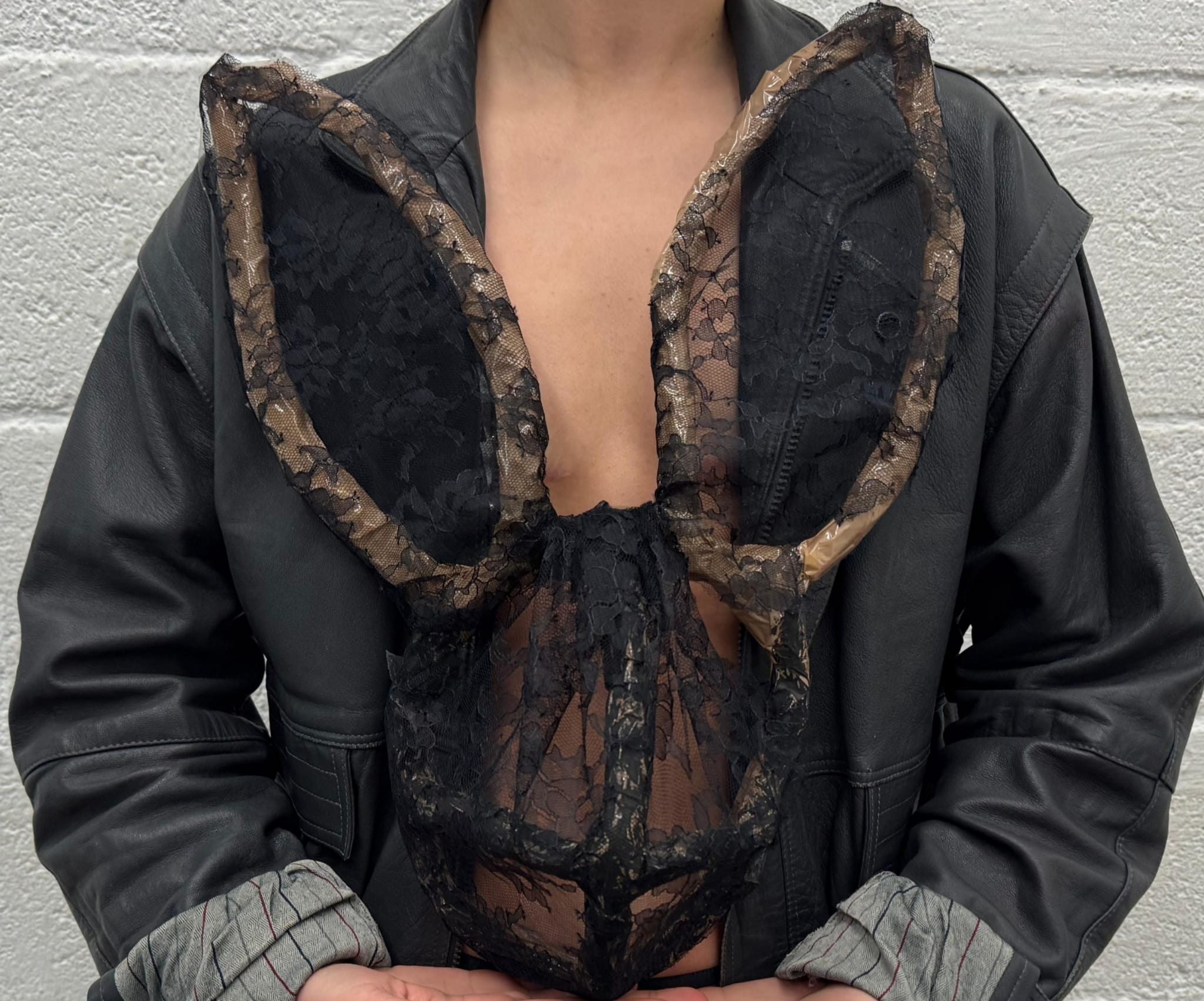
My absolute horror
Horror films. Except when I am acting in them myself.
Jenna Sintic
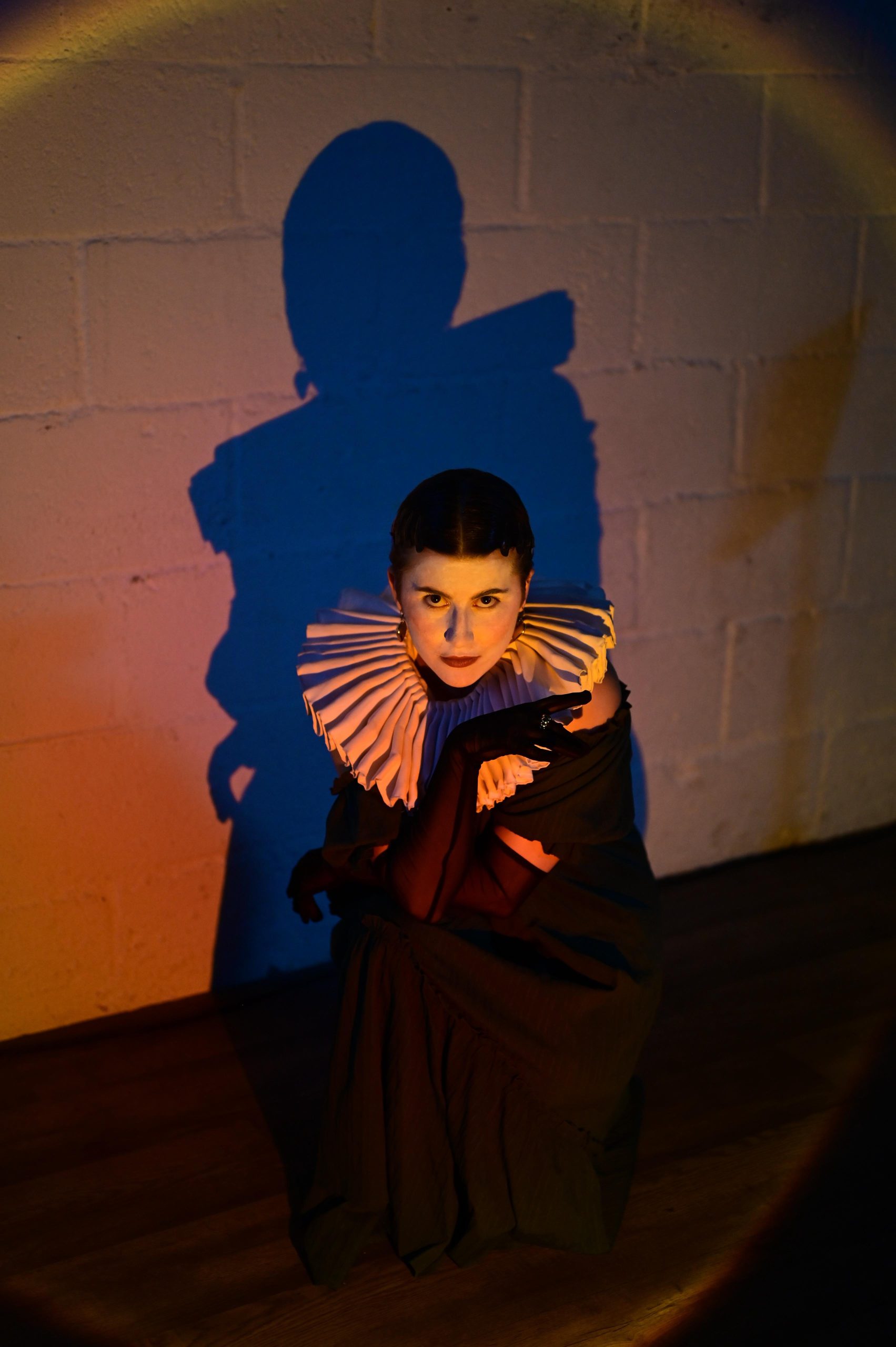
My poem to the afterworld
last night i dreamed a perfect dream
a different world we once wished for
finally started to bloom
out of the seeds
that we planted with hopes
for our future souls to grow on
no more wars and untouched soil
rather fields of flowers and fruits where birds and people sing
loud and proud
all day long until the sun goes down
and i pray that she rises every morning again and again
for everyone
shall be freed
from prisons of the evil tongues
at night, turn to the moon
the divine feminine says your body is all yours
no orders to obey from above
together we raise our voices
because all we need is love
Johanna Lanzky
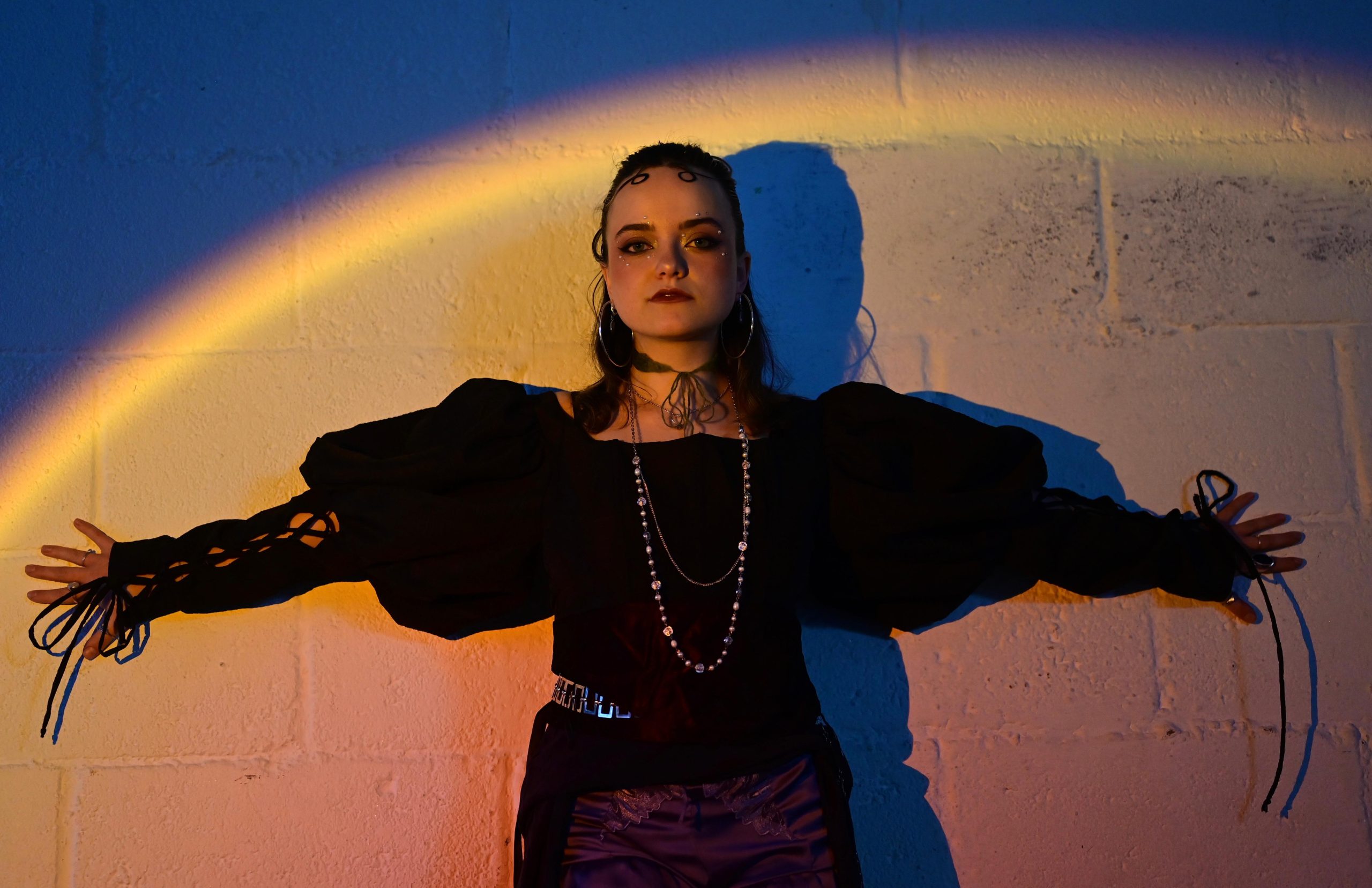
My Summernight’s Soundtrack
Magnolias (ROSALÍA)
Ein Sommernachtstraum, Ouvertüre, Op. 21 (Felix Mendelssohn Bartholdy)
Just Like Heaven (The Cure)
Lara Sukatsch
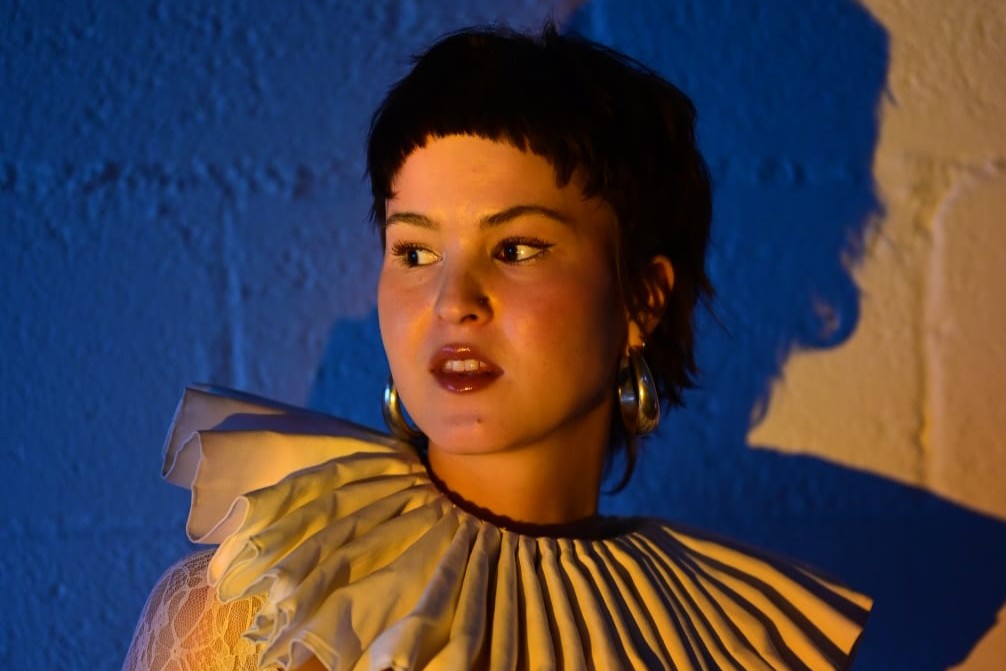
Es ist dunkel im Wald. Es riecht nach nassem Laub, feuchter Erde und es liegt etwas in der Luft. Das spüre ich ganz deutlich. Etwas tierisches. Ein Fuchs? Nein, das riecht anders, das kenn’ ich aus Berlin. Vielleicht ein Reh oder Hirsch? Joar, das geht schon in die richtige Richtung. Aber mit dem Geweih, das passt nicht ganz. Nein, kein Geweih, Ohren. Apropos Ohren…. Hörst du das?
IIIIIIAAAAAA
What the fuck macht ein Esel im Wald?
[Transl.:
It is dark in the forest. It smells of wet leaves and damp earth, and there is something in the air. I can feel it clearly. Something animal. A fox? No, that smells different — I know that from Berlin. Maybe a deer or a stag? Yeah, closer. But the antlers do not quite fit. No, not antlers. Ears.
Speaking of ears… do you hear that?
IIIIIIAAAAAA
What the fuck is a donkey doing in the forest?]
Luise Döring
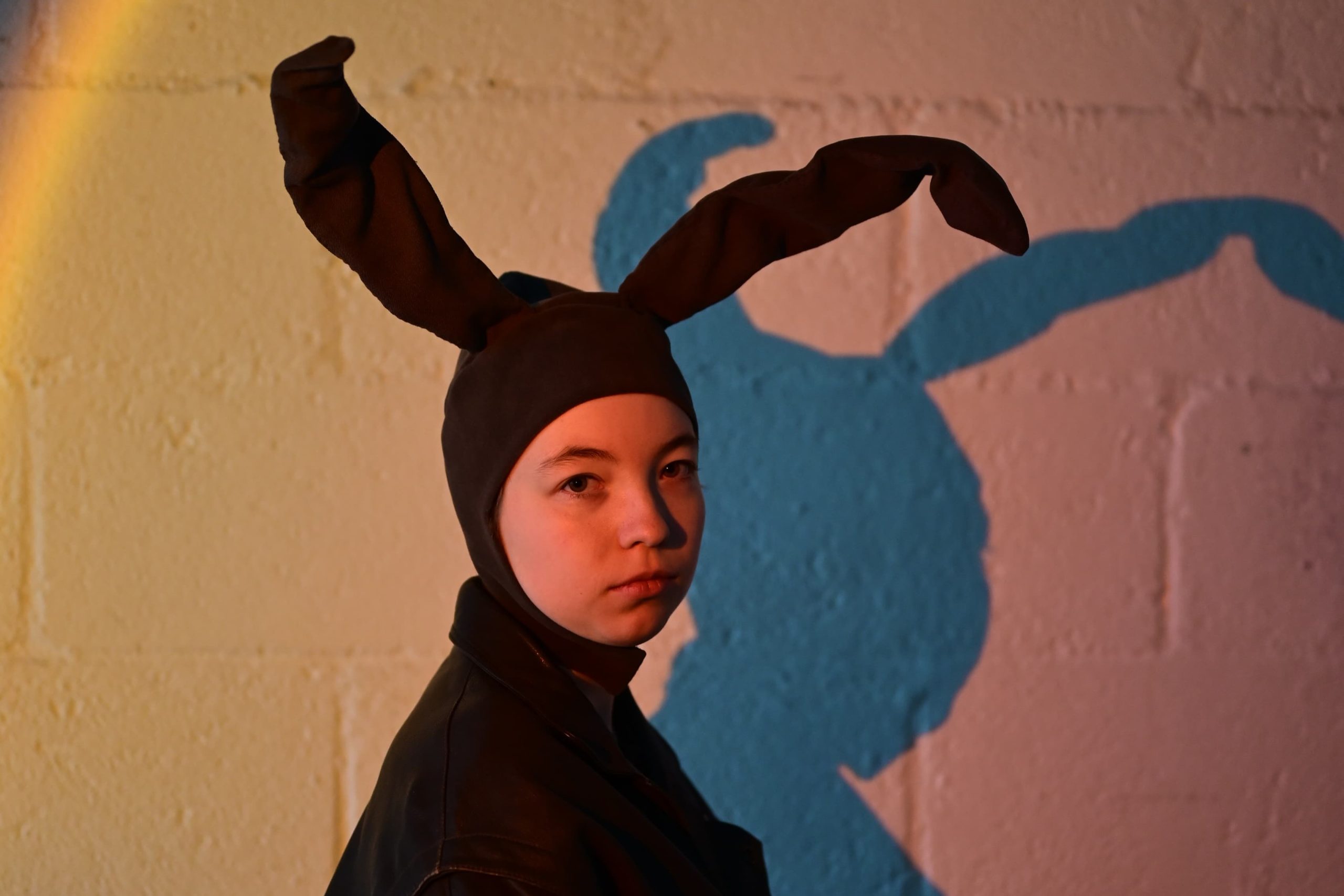
What would happen, if I met the donkey
Donkey: Tell me, who are you really? What are you hiding?
Lu: As a kid, I accidentally broke things and then quietly made them disappear?
Donkey: You mean these? (Pulls a camera out from behind his back.) Boring!
Lu: What do you want to hear? I never actually read the classic works in school — I only watched the Playmobil summaries.
Donkey: No, no, no. Look deeper!
Lu: Okay, okay… I always try to control everything… because I am afraid that otherwise everything will fall apart… especially me.
Donkey: Finally, honesty!
Luise Marr
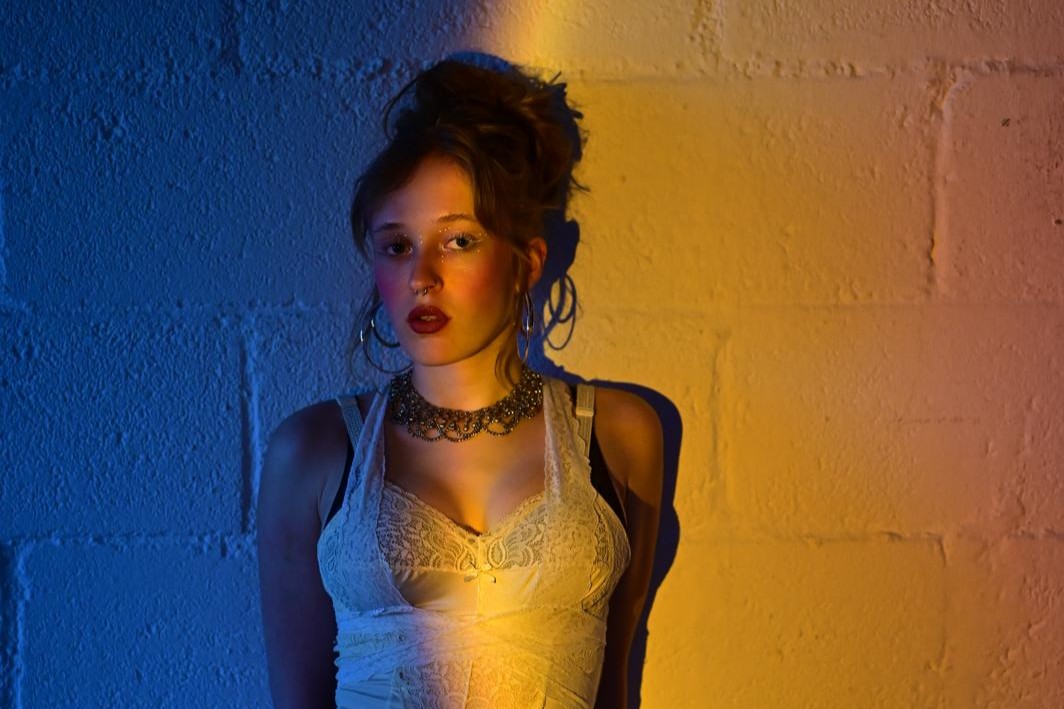
Mein Summernight’s Song
Half Day Closing (Portishead)
Nele Langner
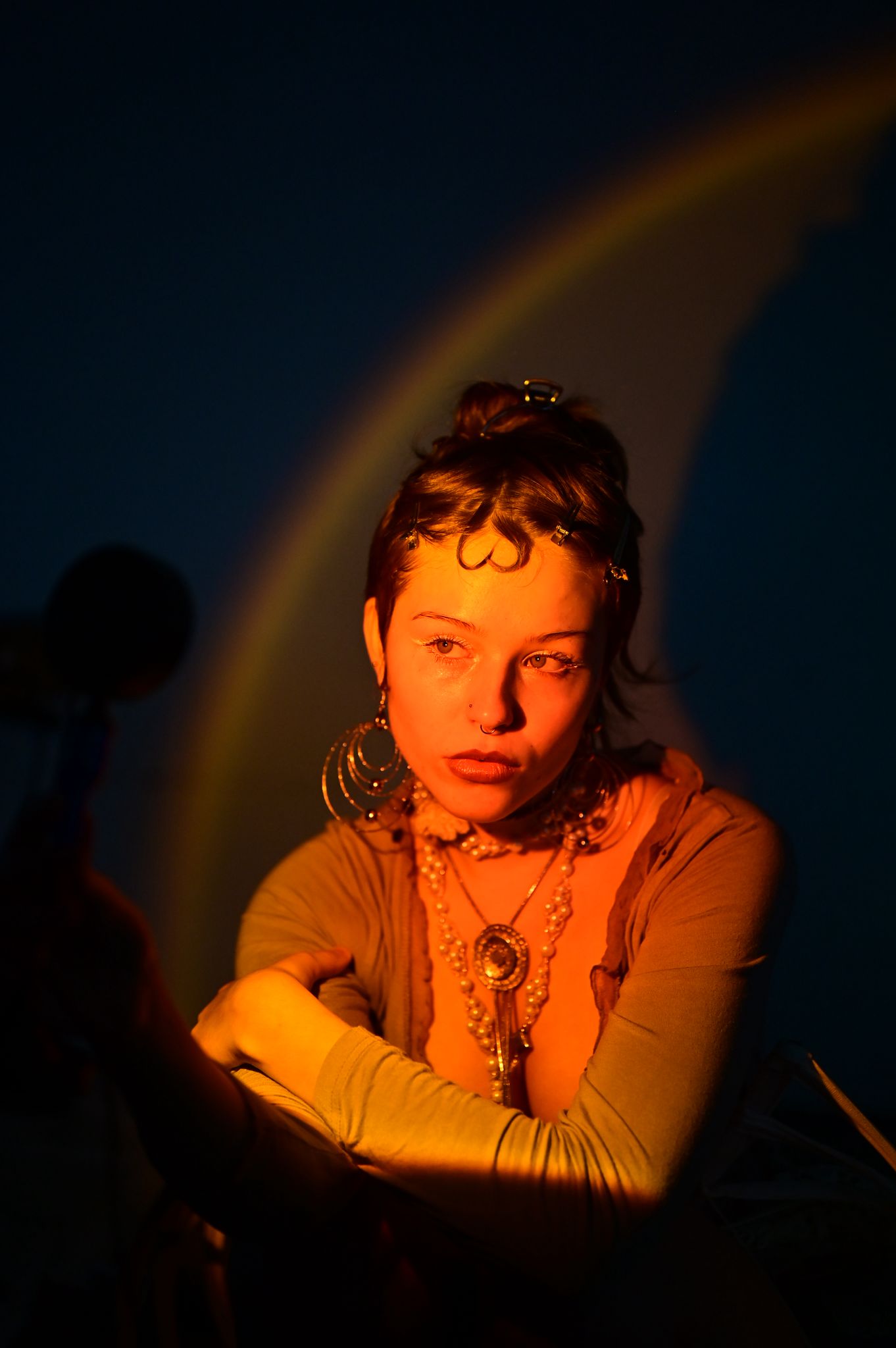
My Summernight’s Song
mary magdalene (FKA twigs)
Sam Enders
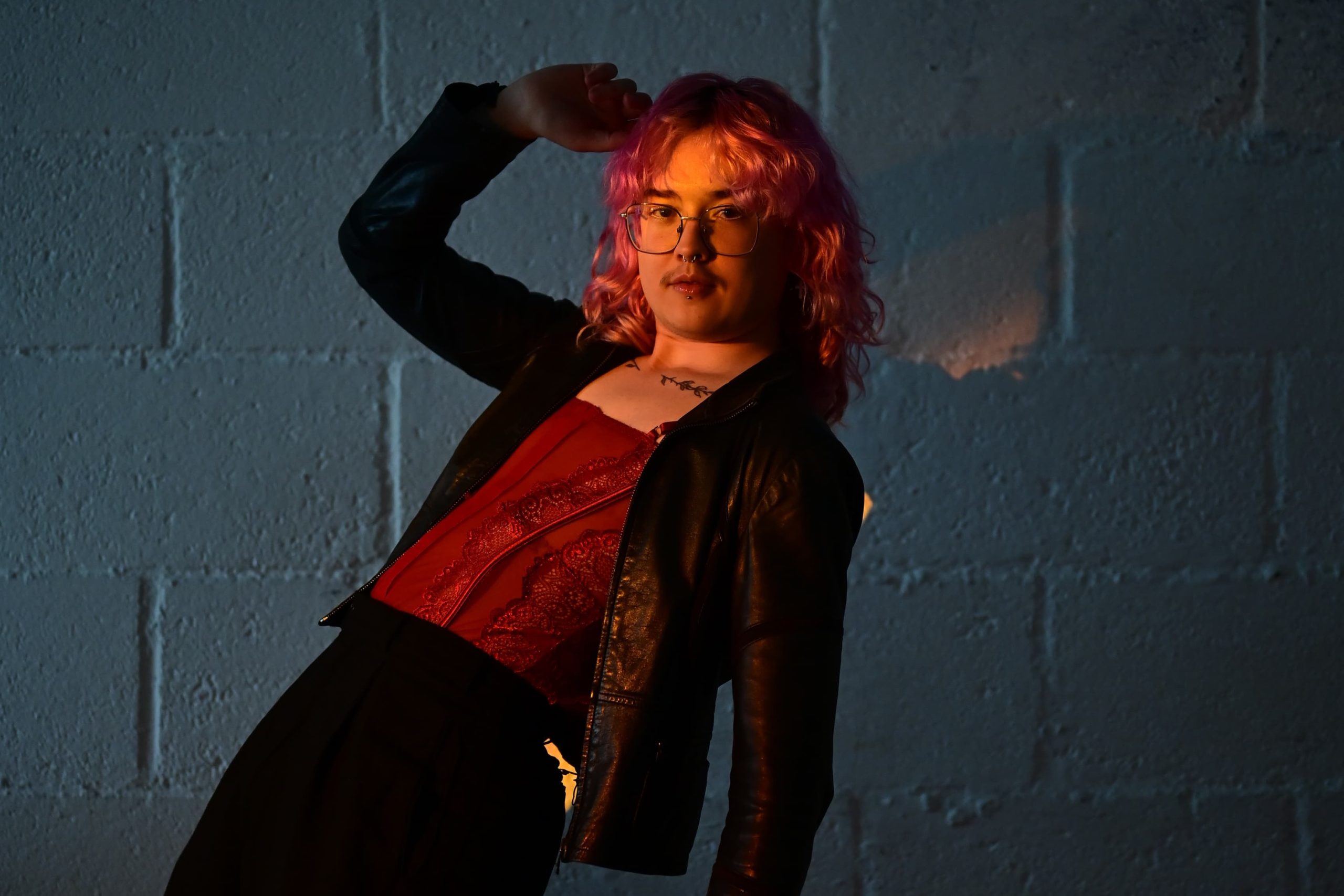
My poem to the afterworld
Rosen sind rot
Veilchen sind blau
Ich bin schon tot
Und du jetzt bald auch
[Transl.:
Roses are red,
Violets are blue,
I am already dead,
And soon you will be too.]
Biographies
Bjørn de Wildt | Direction
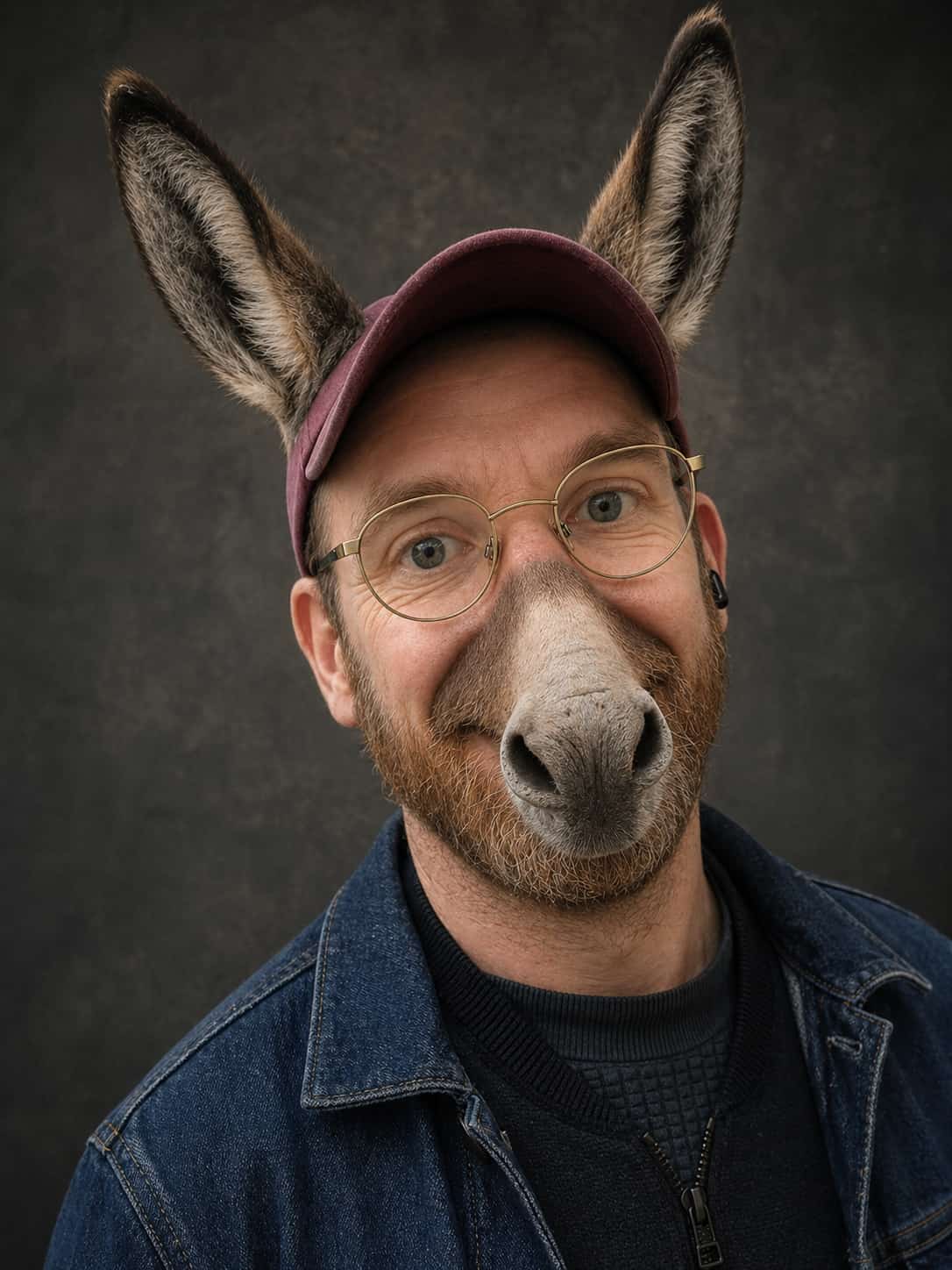
Bjørn de Wildt was allegedly made the unwilling manager of a slightly outdated donkey farm at the age of eighteen. Since then, he has known two things for certain. First: donkeys only listen when it is truly worth their while. Second: every good story needs a moment when everything spirals completely out of control.
After several years spent between hay, hoofbeats, and philosophical conversations with particularly stubborn four-legged creatures, he eventually found his way to the theatre. Today, he works as a director with young people and keeps returning to the same question: what happens when it is no longer the heroes who speak, but those who are usually overlooked?
His work exists somewhere between dream and loss of control. Between Shakespeare and the smell of the stable. And sometimes, honestly, it becomes hard to tell who has really taken charge here.
Yuval Halpern | Music
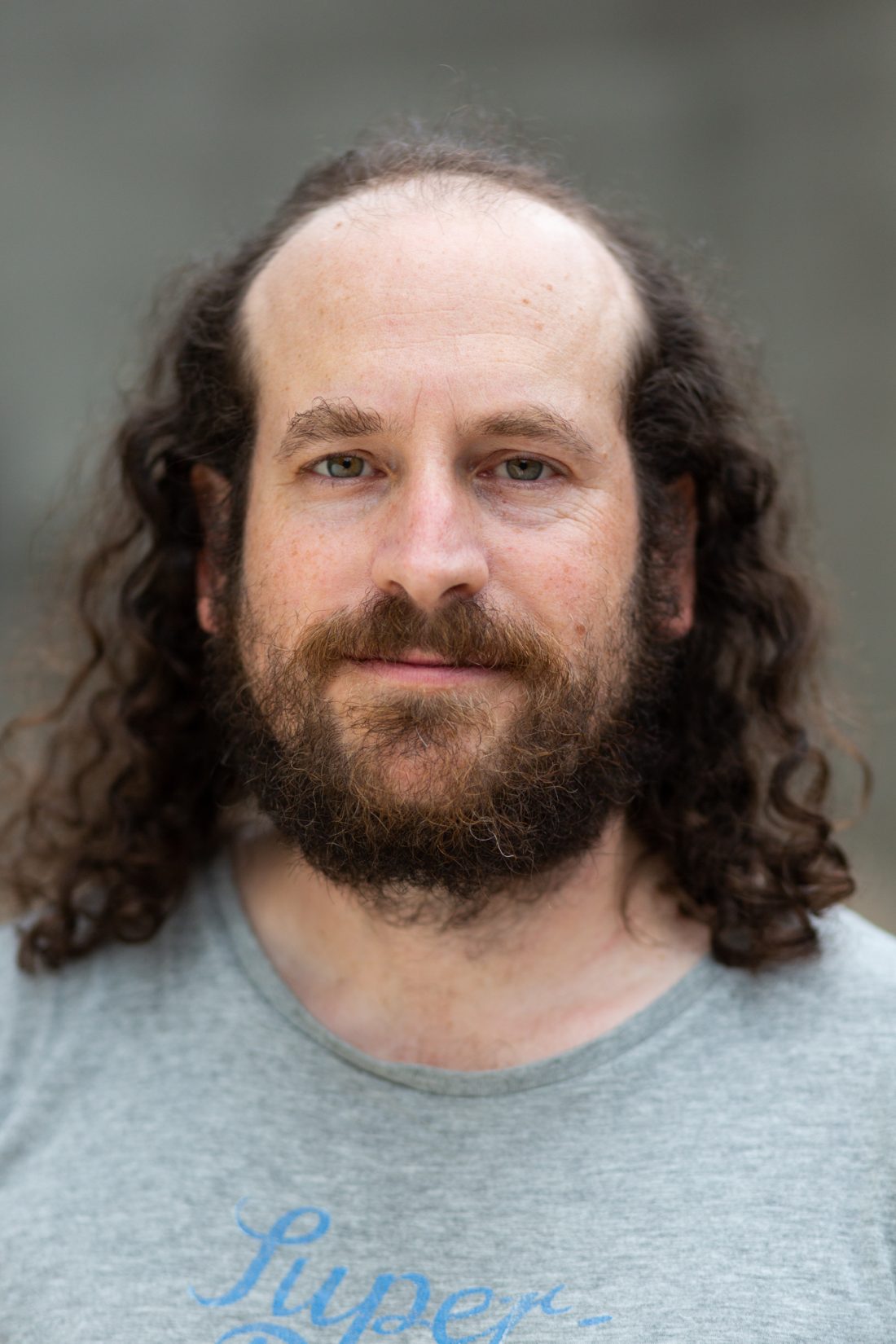
Yuval Halpern grew up in the quiet town of Rosenheim. His parents had moved there from Israel when Yuval was five years old. While other children played football, he preferred experimenting with rhythms made from cowbells.
At thirteen, he was drawn to Berlin. There, he traded lederhosen for hoodies and began experimenting with the sounds of the underground and the rhythmic beeping of pedestrian crossings. Later, Yuval studied composition and developed a distinctive style that critics described as “electro-folklore with an existentialist edge.”
Bahar Meriç | Choreography
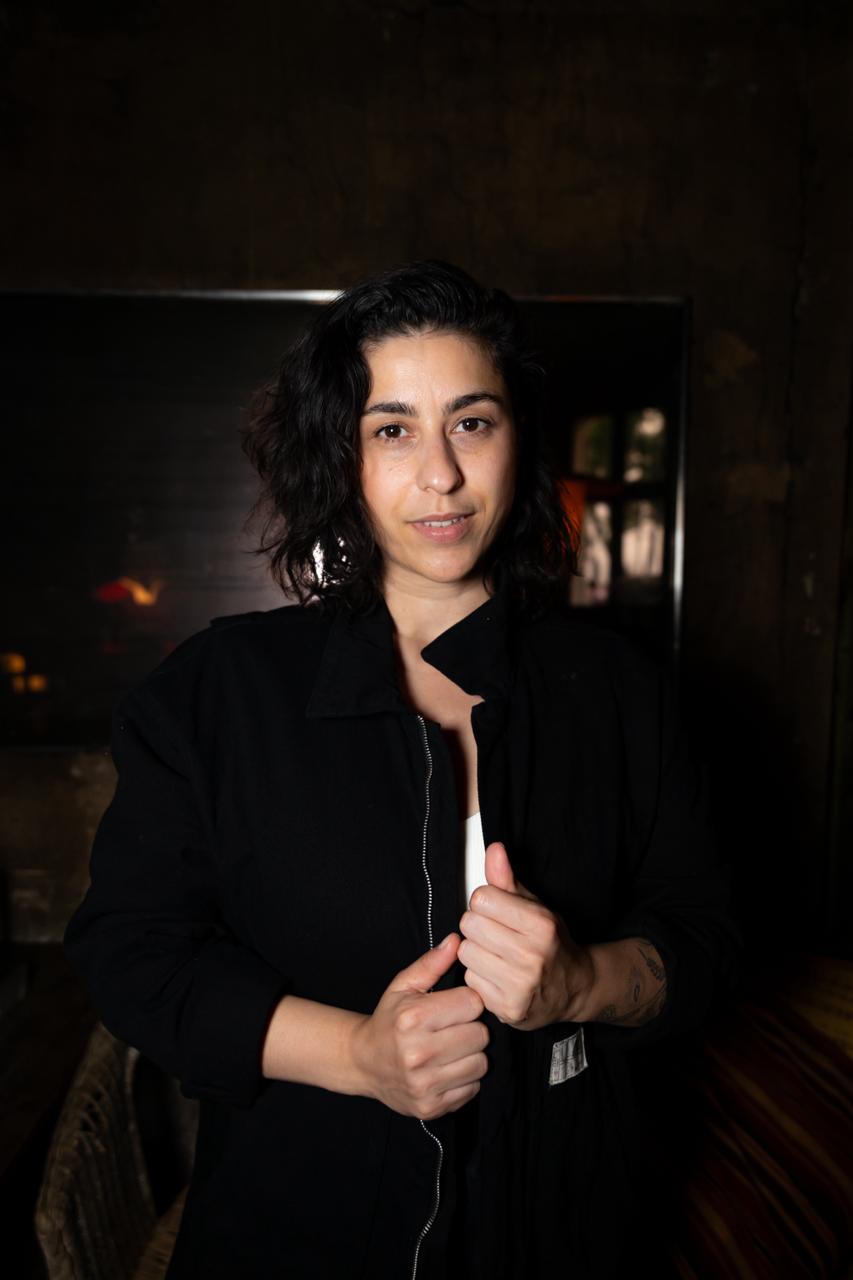
Bahar Meriç (1986, Berlin)
I am a choreographer, dance educator, and the artistic director of Future Move e.V.. My work is project-based and interdisciplinary. I collaborate with professional dancers, actors, and non-professionals of different age groups across the fields of dance, theatre, performance, film, and community dance. In this context, I develop artistic and educational formats and programmes in Germany and across Europe that connect artistic practice with long-term educational work.
The focus of my work lies in the fields of identity and diversity. My approach is participatory, taking the lived realities and experiences of the people involved as the starting point that fundamentally shapes the artistic process. I realise projects in a wide range of institutional contexts, including schools, museums, theatres, and cultural institutions. International collaborations regularly take me to Greece, Romania, France, and the Western Balkans region.
As a choreographer, I have been involved in productions at the Maxim Gorki Theater, Sophiensæle, Staatstheater Hannover, Residenztheater München, Theater an der Parkaue, as well as for the Goethe-Institut in Karachi.
In October 2021, together with other collaborators, I founded Future Move e.V.. The non-profit association develops artistic and educational programmes aimed particularly at creating access to art, culture, and education for young people from marginalised backgrounds. Its work focuses on empowerment, participation, and supporting artistic career paths.
Federica Fugazzi | Costume
Federica “though she be but little, she is fierce!”
Let the writers write, let the poets do the poetry, and let me do what I do best, she said.
“And what is it?” the Donkey asked.
She just smiled.
Morghan Welt | Costume assistant
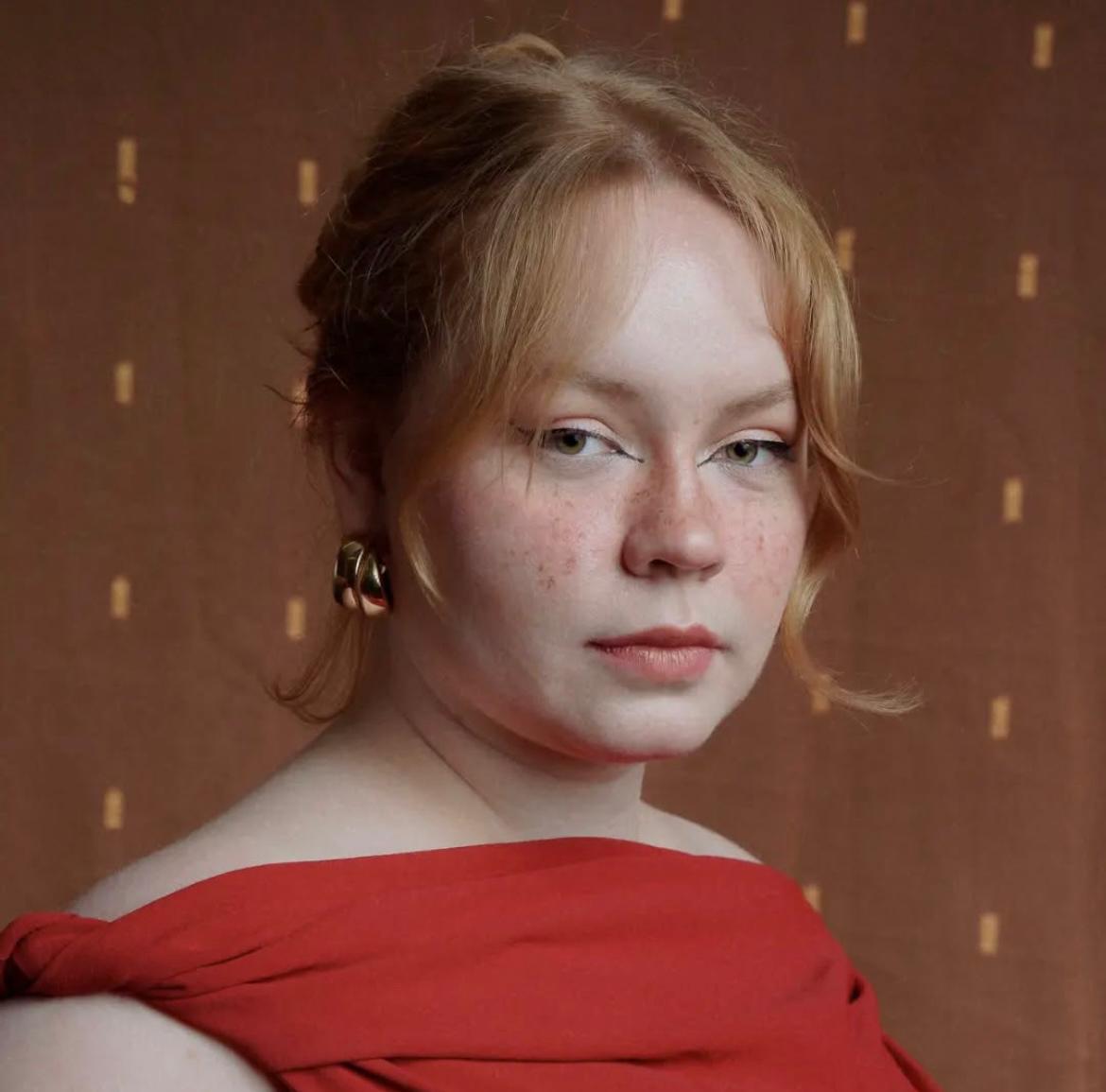
Morghan Welt is an emerging director and writer for spoken-word and music theatre.
When she is not braiding donkey hair, she is completing her Master’s degree in music theatre directing at the Hochschule für Musik Hanns Eisler Berlin. Prior to this, she earned a Bachelor’s degree in Drama & Theatre Studies from Trinity College Dublin, where she received both a scholarship and a gold medal for outstanding academic achievement.
Her own midsummer night’s dream came true when her play But We’re Right toured through Ireland, England, and Scotland in 2024, supported by the Goethe-Institut, and is now being developed into a state-funded feature film.
Since 2023, Morghan has worked regularly at the Neuköllner Oper as an assistant director and costume assistant. She is delighted to spend a second consecutive year alongside Federica Fugazzi shaping — and dressing — young theatrical dreams.
Lisa Blumberg | assistant Director & Production Management
Now I chase you, lead you far and near,
along my winding path, overgrown and unclear.
Through thorn and bush, through swamp and wood.
As a child, still young, not yet fully understood,
I played with humans, beasts, with stone and stick,
my spirit stirred by layers deep and fantasies thick.
And so I came closer to transformation and play.
One moment a horse, then boar, dog, or bear on the way.
I found kindred amateurs along the roadside trail,
yet eventually disappeared into lands far and pale.
There I found adventure, complexity, and sight,
and questioned why the world turns in such a way through night.
My gaze grew uncertain, my heartbeat tightly wound,
I lost myself within society’s tangled ground.
And still to this very day I remain somehow caught,
held within questions of meaning and thought.
But in dreams, a lightning strike from spirits came to me,
and I understood what had long been missing from my tree:
play, escape, metamorphosis and change,
realisation blooming in my heart, wild and strange.
Soon I appear as werewolf and as fire untamed.
I want to grunt, neigh, bark, roar, burst into flame —
like boar, horse, dog, bear, and fire all the same.
Now I revel in this dreamlike summer night,
and thank you for rekindling my theatrical heart’s delight.