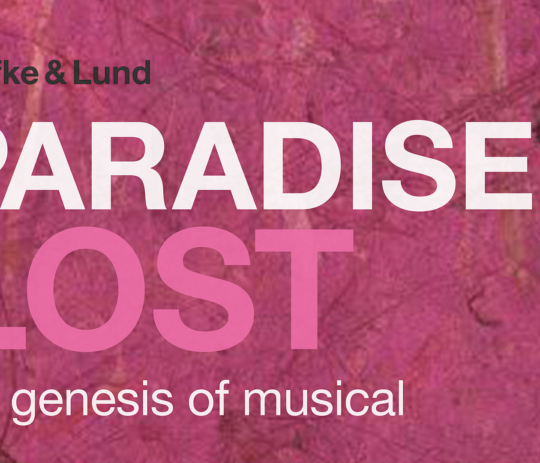
PARADISE LOST – THE GENESIS OF MUSICAL by Zaufke & Lund is now also available on CD! (And still until January 7 in our hall). The CD is available for 10 € at our box office. You can find a first glimpse of the record here:
News
Tote Bags for Talents
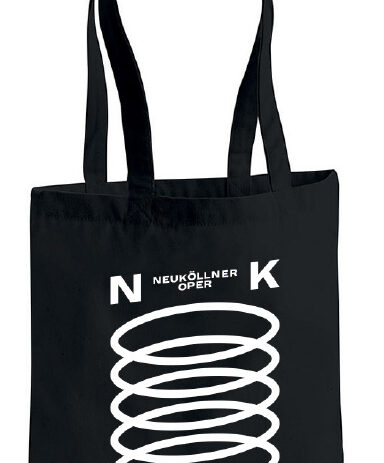
With printed cotton bags, we support a wonderful initiative of the Bürgerstiftung Neukölln: The project Neuköllner Talente initiates and accompanies leisure time sponsorships for (often at-risk-of-poverty) Neukölln children of primary school age who want to discover and show what they are made of. The project focuses on a relationship of trust and an eye-to-eye encounter between the sponsor, the child and the family. A sponsorship gives time, attention and mutual interest. Together with their volunteer talent sponsors, the children visit libraries and museums, explore Berlin, cook and do sports. In this way, they discover a variety of ways to spend their free time and learn a lot in an informal way.
The bags (climate-friendly produced and GOTS certified) can be purchased online at the Bürgerstiftung (plus 1,50€ shipping costs) or at our box office for 7 Euro. The net proceeds will benefit the project.
Online order: email to talente@neukoelln-plus.de. Please indicate number of bags and address. Account number DE25100900007370861000 (Bürgerstiftung Neukölln), reason for payment: Bags for Talents
Continue reading "Tote Bags for Talents"To the table!

What do you think about climate change, our Earth and our role in it? In order to be able to experience yourself even differently, we invite you to three “explorations” in the sense of Citizen Science in the framework program of NEUE LIEDER VON DER ERDE in October and November 2022:

Krisenklänge – Küchengespräche
October 29, 2022, following the performance (7 – 8:30 p.m., vegetables to be delivered by 6:30 p.m.).
Conversations over dinner and music with Dr. Manuel Rivera and artists* from New Songs from the Earth.
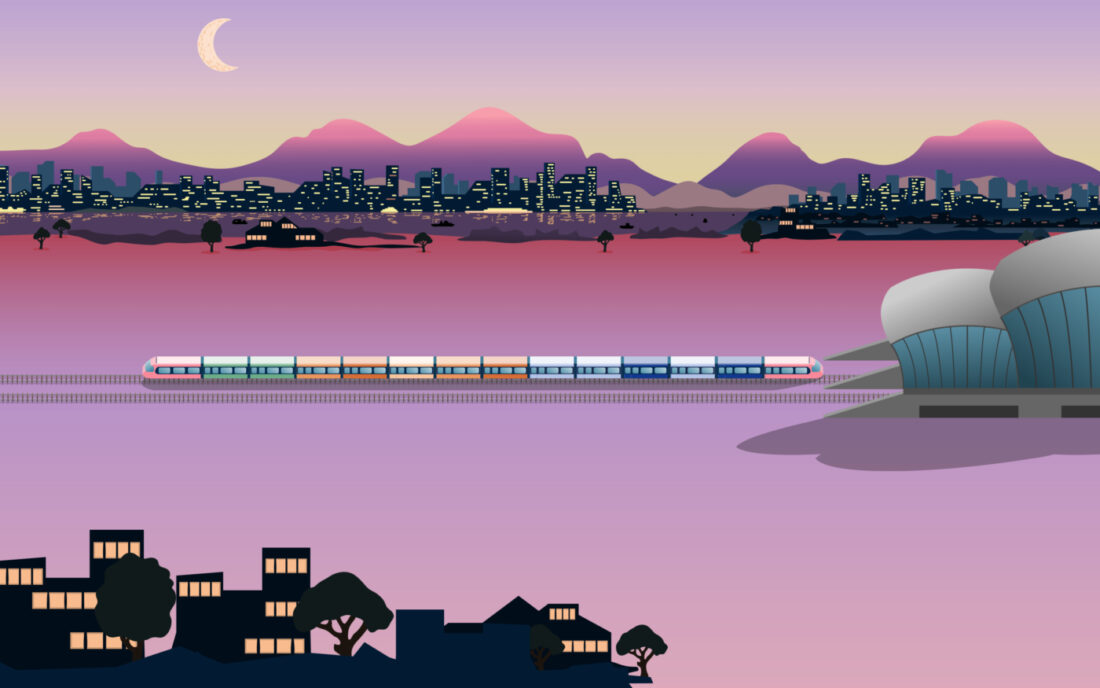
TRAIN 4 Science
October 15, 16, 19, 27 and November 5, 6, 9, 12, 2022, 7:15 – 7:45 p.m. each day
Tablet game on living and acting in times of climate change

Natur der Dinge
Oct. 15, 20, 26 & Nov. 11, 2022, 7:15 – 7:45 p.m. each day
A Participatory Collection of the Anthropocene. Four workshops on new stories for a new Earth age.
Maestro Without (Genre)Limits
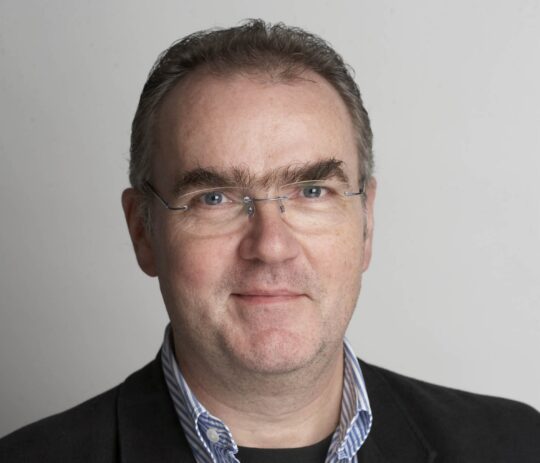
We bid farewell to our musical director Hans-Peter Kirchberg in his well-deserved retirement – after more than 1,500 performances (100 of which were premieres) in his 30 years of conducting at our house!
Since 1992, HP Kirchberg was responsible for the development and musical direction of a wide variety of works – numerous musicals by Peter Lund and composers (including the genre-defining WUNDER VON NEUKÖLLN or the award-winning STELLA. DAS BLONDE GESPENST VOM KURFÜRSTENDAMM) as well as chamber operas (e.g. ANGELA – EINE NATIONALOPER im U-Bahnhof Reichstag) or the realization of the award-winning works of the BERLINER OPERNPREIS.
HP Kirchberg has been honored for his work with, among others, the “Silberne(n) Blatt” of the Dramatiker-Union, which has also been awarded to such greats as Volker Ludwig, August Everding, Helmut Baumann and George Tabori.
This is what his companions say:
Winfried Radeke, composer and inventor of the Neukölln Oper:
“He became my right hand, so to speak. Without him, many, many performances at the Neukölln Opera would not have been possible.”
Bernhard Glocksin, Artistic Director of Neuköllner Oper:
“The Neuköllner Oper stands for genre-spanning musical theater and was fortunate to have found a true generalist in HP Kirchberg, who was a guarantor for the high musical quality of the performances. We thank him from the bottom of our hearts for his commitment and work, which, so to speak, spans generations of singers* and musicians*.”
Now Online in the ARD MEDIA LIBrary: GIOVANNI. EINE PASSION
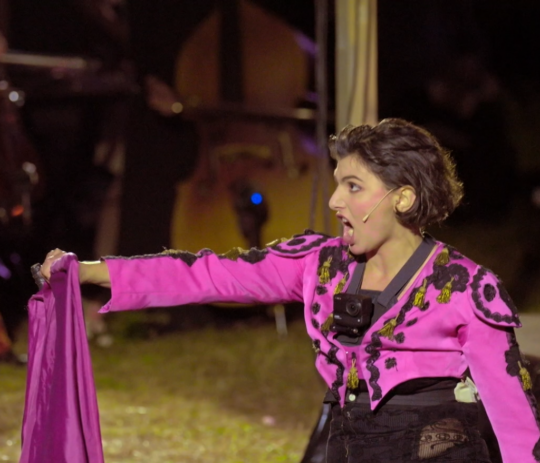
The concert film for our joint production was made last late summer, when we adapted our successful production GIOVANNI. EINE PASSION together with the Stegreif Orchester adapted for a real (Neukölln) cemetery: A total of 18 cameras were in action in the Prinzessinnengärten at the New St. Jacobi Cemetery. Among them were body cams attached to the performers, bringing you right into the middle of the action, on the trail of the myth of Don Giovanni. The 70-minute film by Stephan Boehme was made in cooperation with EuroArts and rbb – and can now be found in the ARD Media Library.
Team
Neuköllner Oper, Musical Direction: Juri de Marco | Direction: Ulrike Schwab | Arrangements: Malte Schiller, Alistair Duncan, Bertram Burkert, Anna-Sophie Brüning, Juri de Marco & ensemble members of the STEGREIF.orchester | Musical Rehearsal: Anna-Sophie Brüning | Set Design: Pia Dederichs and Marina Stefan | Project Idea/Dramaturgy: Bernhard Glocksin. A production of rbb with EuroArts and Neuköllner Oper.
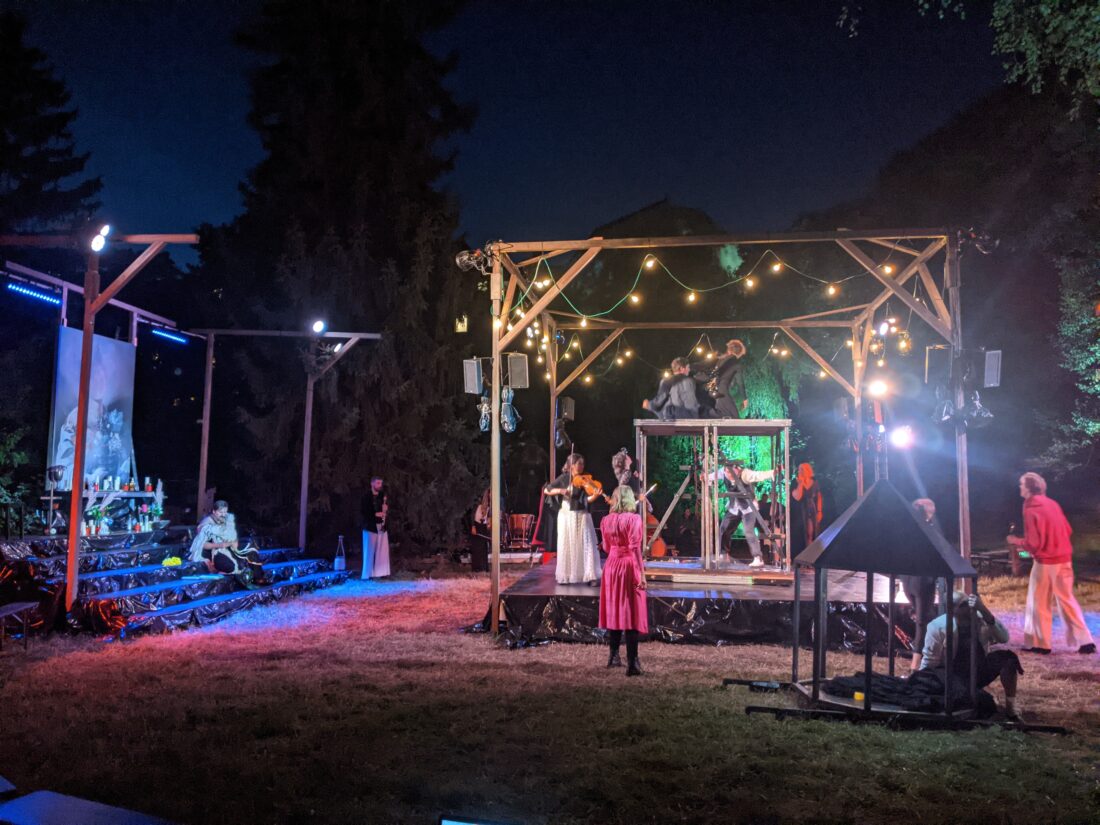
For those who want to experience the Stegreif Orchester live, we also recommend our third joint production: NEW SONGS FROM THE EARTH will premiere on Saturday, October 15, 2022!
Continue reading "Now Online in the ARD MEDIA LIBrary: GIOVANNI. EINE PASSION"Double Success At THe Deutsche Musical Theater preis 2022
Congratulations to our award winners: Hakan Savaş Mican and Markus Syperek were honored yesterday at the German Musical Theater Award of the German Musical Academy in Hamburg.
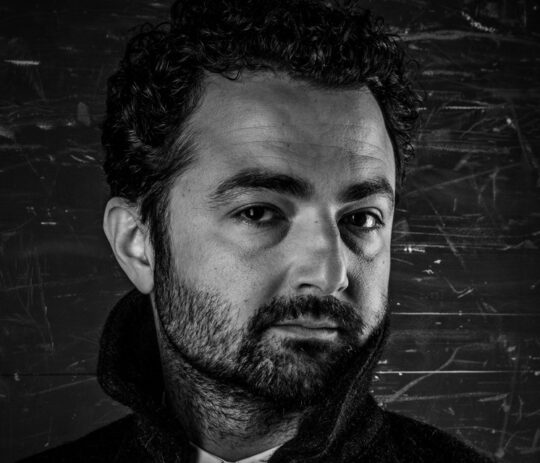
“Best Book” for BERLIN KARL-MARX-PLATZ
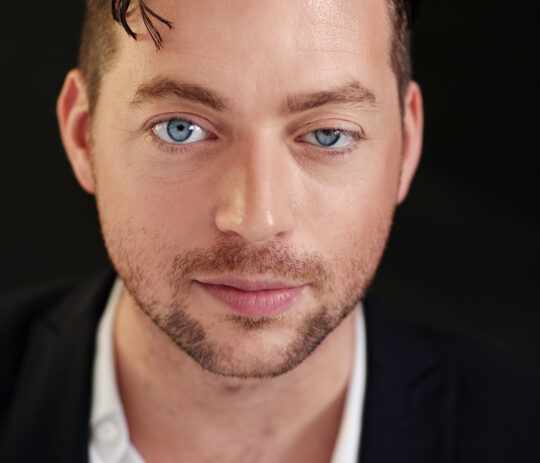
“Best Arrangement” for PARADISE LOST – THE GENESIS OF MUSICAL (from 28 November back on our stage!)
Cineastic from Zaufke & Lund
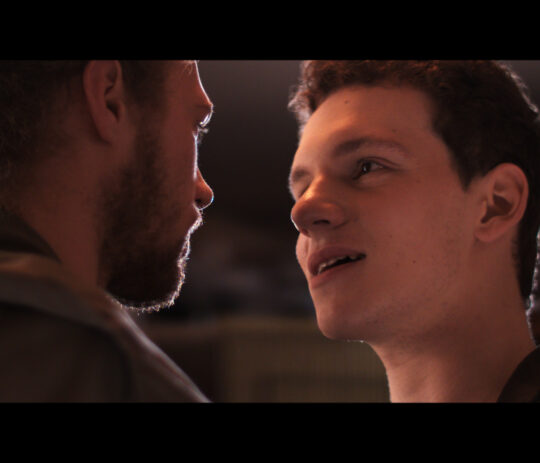
It took three years, but now the time has finally come: KOPFKINO- DER FILM is experiencing its public premiere after an extremely successful festival tour. And it’s happening in the cinema just around the corner- on your sofa and your screen!
We’ve been trying to get an official theatrical release for three years, but thanks to Corona, it’s totally utopian right now. Bad luck for our multi-award winning film, good luck for our audience.
Starting today, KOPFKINO is available for six weeks, live and in color. So get the champagne bottle out of the fridge, pop some popcorn in the microwave, go to Vimeo and enter your password:
Password: KOPFKINO2020
Continue reading "Cineastic from Zaufke & Lund"TRANSFORMATIONS
That our societies – interconnected and therefore in the plural – are in the process of transforming themselves is something we feel more and more intensely. That the directions of these transformations are often not yet “right”, that they are not sustainable, we mostly feel and know that too. Nevertheless, we repress the fear that the climate and species crises cause us instead of turning it into courage to act. Our anger flares up without us gaining political energy from it. And the many who are already working on the future still feel isolated. Art and entertainment venues can literally show that you can look good with less material and energy consumption, for example by consistently recycling stage sets – as the Neukölln Opera has been doing for years. Die entsprechende „Ökologisierung“ der Kulturbetriebe steht erst am Anfang; wir dürfen auf den weiteren Weg gespannt sein. It is at least as important that artists open themselves and us to socio-ecological topics, involve us in their contradictions and entertain us by confronting our knowledge and feelings instead of repressing them. The Neukölln Opera is treading this path of openness (among others) with its NEW SONGS FROM THE EARTH – and also makes me, as a sustainability scientist, quite curious.*
Dr. Manuel Rivera
Research Group Leader Art and Science for Sustainable Development at the Institute for Advanced Sustainability Studies e.V. (IASS).
As a much sought-after expert at the interface of sustainability research and artistic practice, Dr. Manuel Rivera has accompanied the music theater project NEW SONGS FROM THE EARTH from the very beginning. On October 29, following the performance at the musical-culinary evening Crisis Sounds – Kitchen Talks, he will talk with colleagues from the IASS and the audience about the perspectives that arise from NEW SONGS FROM THE EARTH. All information about the evening and registration can be found here.
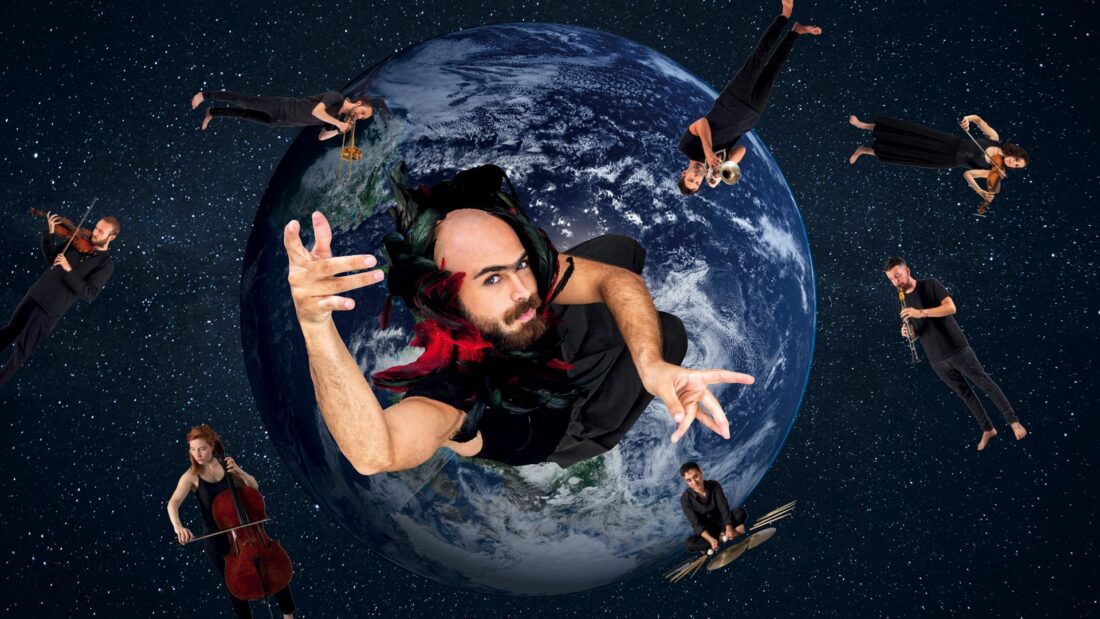
NEUE LIEDER VON DER ERDE
Music theater by Neuköllner Oper, Stegreif – The Improvising Symphony Orchestra and Syrian and German authors.
World premiere on 15 October 2022. Through 12 November 2022.
*This text appeared in print in the NKO Playbill October-December.
A Project by Neuköllner Oper and
Kindly supported by
All good things come in threes
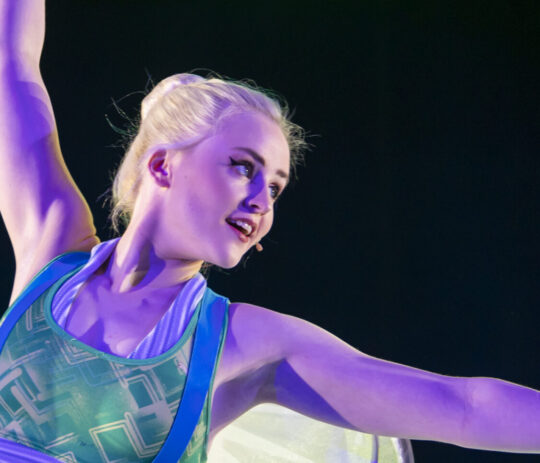
A total of three times our productions are nominated at the German Musical Theater Award…
Continue reading "All good things come in threes"AI-Poetry and Human Sounds
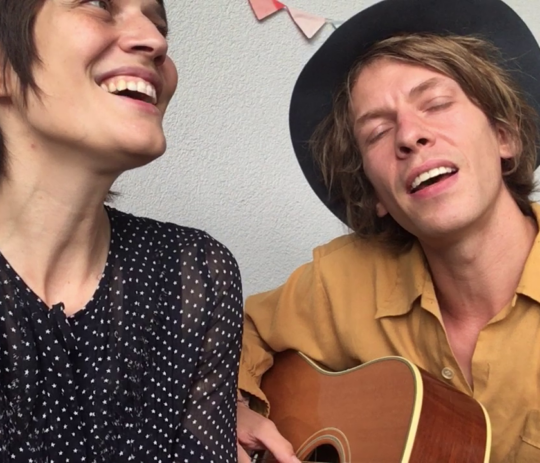
A little taste of Volkslied 3000. The Concert by Alin Coen and Max Prosa and “Vergiss mich nicht”, their song based on AI-generated lyrics:
Continue reading "AI-Poetry and Human Sounds"Season 2022/23

The mountains, an oil rig, the desert….three places in our plays that stand for a desire to explore the world and for a world of change, and thus for the themes and artist* teams in the 22/23 season.
Continue reading "Season 2022/23"The Volkslied 3000-Jury Made it’s decision…

… about the winners of the composition competition, who can be heard live at the Kommen und Gehen Festival in Görlitz on August 21 and at VOLKSLIED 3000. Das Konzert on September 3, alongside commissioned compositions by Max Prosa & Alin Coen, Die Grenzgänger, João Oreccia and Tonia Reeh.
We congratulate the following prize winners for the musical settings of the texts generated by the artificial intelligence GPT3 (in no particular order)
Johannes Wester: “Stars
Anton Israel: “Time to flee”.
Pony Pracht: “And I know”.
Migati: “Generate little text, please”.
Rosenroth: “Time of silence”
as well as the special prize winner
Anne Munka: “Nazis out!”
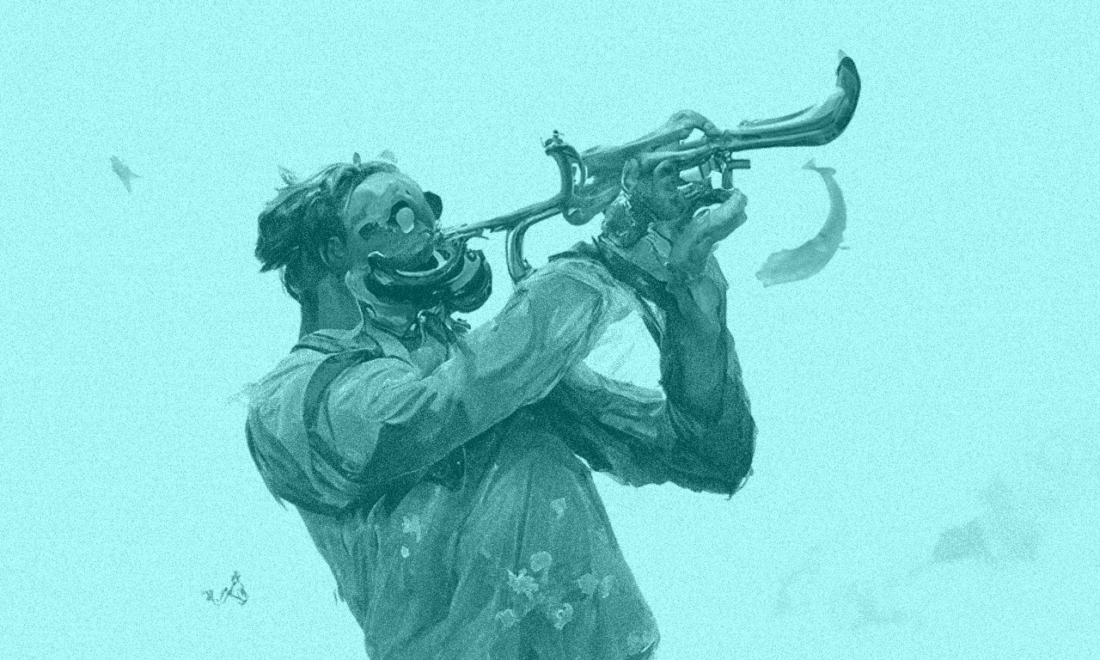
VOLKSLIED 3000 – Das Konzert
3 September 2022, 8 pm
Presentation of winning songs and the commissioned works by Max Prosa & Alin Coen, Die Grenzgänger, João Oreccia und Tonia Reeh at Neuköllner Oper